

Finding Healthier Alternatives: Quitting Smoking Without Missing the Ritual
Introduction
Struggling with the thought “i want to quit smoking cigarettes but i will always miss the feeling of smoking something. is there anything healthy i can replace it with?” is far more common than most people admit. The physical and psychological rituals behind lighting up—everything from the hand-to-mouth motion, the inhale, and even the pause for introspection—create a strong emotional anchor that often outlasts the desire for nicotine itself. Understanding how to replace not just the substance, but the experience, is key to making a successful, lasting switch.
Many smokers find that simply weaning off nicotine addresses only part of the problem. What remains is the comforting ritual itself. Research suggests that flavor-rich, sensory substitutes such as chewing gum—especially flavored varieties—can significantly reduce cravings and the intensity of withdrawal symptoms. For instance, a controlled study found that flavored chewing gum produced lower withdrawal scores than flavorless gum or no substitute at all, making it a surprisingly effective tool for smokers trying to quit International Journal of Health Sciences.
Similarly, nicotine replacement therapies (NRT), such as patches, lozenges, gum, and inhalers, have long been clinically proven to aid smoking cessation—boosting success rates by about 55% when paired with behavioral support strategies NRT overview. These tools address the chemical dependency, but pairing them with behavioral substitutes—like mimicking the motion of smoking or even trying herbal cigarettes (though these may carry their own risks)—helps fill the experiential gap that smokers often overlook.
Moreover, modern technology offers intriguing new options. For example, a recent study from the University of Bristol showed that smartwatch apps capable of detecting hand-to-mouth motion can deliver real-time, motivational messages when someone reaches for an imaginary cigarette—turning a moment of lapse into a moment of reinforcement and mindfulness The Guardian on smartwatch intervention.
In the following sections, we’ll explore a range of healthy replacements that appeal to the sensory ritual, psychological comfort, and even habitual triggers of smoking. We'll delve into nicotine-free alternatives, behavioral tactics, technological aids, and real-world examples to help readers craft a personalized quitting strategy that truly satisfies—without lighting up.
Exploring Healthy Alternatives
For those grappling with the thought, "i want to quit smoking cigarettes but i will always miss the feeling of smoking something. is there anything healthy i can replace it with?" it's crucial to explore alternatives that can fill the void left by smoking without compromising health. One promising option is herbal cigarettes, which contain no nicotine or tobacco. These cigarettes are often made from herbs like mint, clover, or lemongrass, delivering a similar sensation to smoking a conventional cigarette, but without the harmful substances.
Herbal Tea and Vapor Inhalation
Replacing the action of smoking with sipping can be equally calming. Drinking herbal teas such as chamomile or peppermint can simulate the hand-to-mouth action of smoking while providing health benefits like improved digestion and stress relief. Additionally, using a personal vaporizer to inhale steam infused with essential oils like lavender or eucalyptus can mimic smoking through inhalation, offering a soothing, aromatic experience. According to Healthline, these practices can support relaxation and provide a sensory substitute.
Mindfulness and Behavioral Modification
Beyond physical replacements, employing mindfulness techniques can significantly aid those missing the ritual of smoking. Mindfulness practices, such as meditation or deep-breathing exercises, can replace the habitual triggers associated with smoking. Research from Harvard Health Publishing indicates that mindfulness can reduce cravings and enhance self-control, aiding individuals in maintaining their commitment to quitting.
Chewing Alternatives
For those who find comfort in the oral fixation component of smoking, chewing alternatives can be beneficial. Options like gum, raw vegetables, or sunflower seeds can keep the mouth busy. Products specifically designed to help quit smoking, such as nicotine-free chewable tablets, also serve this function, providing a tangible replacement that distracts from cravings.
The journey to quitting smoking is deeply personal, and finding the right substitute can make all the difference. Individuals who wish to quit are encouraged to consider the options that fit their lifestyle and preferences best, ensuring that the transition away from smoking is as smooth and supportive as possible. Monitoring personal habits, seeking professional advice if necessary, and leveraging these healthy alternatives can pave the way to a smoke-free life.
The Appeal of Herbal Alternatives
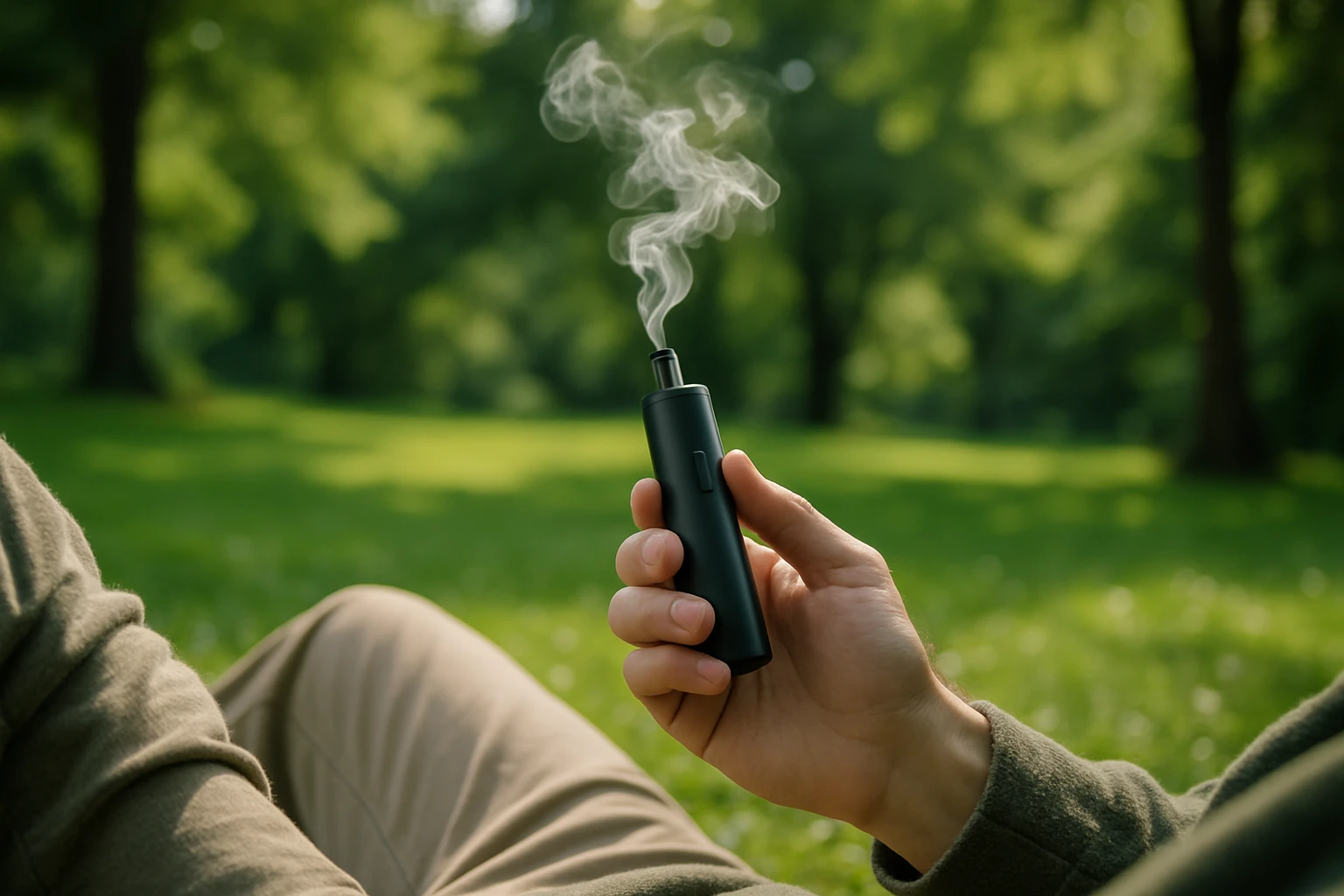
For those grappling with the urge to smoke but seeking a healthier alternative, herbal smoking blends present a compelling solution. Many individuals who say, "I want to quit smoking cigarettes but I will always miss the feeling of smoking something. Is there anything healthy I can replace it with?" find comfort in these natural alternatives. Herbal blends are often crafted to mimic the sensory experience of smoking without the harmful effects of nicotine and tar.
Herbal smoking blends typically contain ingredients like mullein, mint, and lavender, which are free from addictive substances. Mullein, for instance, is known for its respiratory health benefits and has been used traditionally in herbal medicine. Mint adds a refreshing flavor, enhancing the overall sensory experience. According to Healthline, these ingredients are not only enjoyable but also safe when used responsibly, making them a popular choice for those transitioning away from cigarettes.
Exploring the Benefits of Herbal Vaporizers
An alternative that many are turning to is the use of herbal vaporizers. Vaporizers can provide the tactile sensation of inhaling and exhaling, which is often missed by those who have recently quit smoking. Unlike traditional smoking, vaporizing involves heating the herbs to release beneficial compounds without combustion, thus avoiding the production of harmful tar and other byproducts. A report from Therapeutic Advances in Respiratory Disease highlights that using a vaporizer can significantly reduce exposure to toxins compared to cigarette smoking.
This method also allows for the customization of flavors and experiences, catering to individual preferences. For example, using different herbal combinations or adding essential oils can create a personalized experience that keeps the act of "smoking" enjoyable and satisfying.
Case Studies and Anecdotal Success
Real-world examples of people successfully switching to herbal alternatives can offer inspiration to those who are contemplating a change. Consider the case of a former smoker who transitioned to herbal smoking blends and vaporizers. By making this switch, they not only abstained from addictive nicotine habits but also improved their overall lung health. Anecdotal evidence suggests that such alternatives can help reduce cravings and provide a sense of calm and relaxation. As more people share their success stories, the acceptance and understanding of these alternatives continue to grow.
Healthy Substitutes That Replace the Ritual of Smoking
Many people say “i want to quit smoking cigarettes but i will always miss the feeling of smoking something. is there anything healthy i can replace it with?”—and the answer lies in finding replacements that recreate the physical rituals without harmful effects. One effective strategy is to use oral substitutes that engage both your hands and mouth. Simple items such as sugar-free gum, flavored toothpicks, hard candies, or even cinnamon sticks can mimic the tactile sensation of holding and bringing something to your mouth—without the smoke or addiction risk American Cancer Society cancer.org. Health-focused guides also suggest crunchy raw vegetables like carrots or celery or fruity snacks like apples or raisins to satisfy both oral fixation and nutritional needs Marion County Health Department marioncountyhealthdept.org.
For those craving the hand-to-mouth motion, fidget tools offer an excellent distraction. Options like fidget cubes, stress balls, worry stones, or even small puzzle toys occupy restless fingers and provide a tactile substitute to smoking motions Vape Escape vapeescape.org.uk. Paired with oral substitutes like flavored straws—cut down to mimic a cigarette’s length—this combo effectively channels the ingrained habit into something harmless SmokingEducation.org smokingeducation.org.
Another highly practical method is staying hydrated or sipping herbal teas throughout the day. Sipping provides both a subtle hand-to-mouth action and a calming break that interrupts the urge to smoke. Herbal teas such as chamomile or peppermint not only offer flavor but also soothing rituals that reinforce your commitment to quitting Smoko smoko.com. Elevating this further, keeping chilled snacks like frozen grapes, berry mixes, or flavored ice cubes can satisfy oral cravings while providing a refreshing sensory experience SmokingEducation.org smokingeducation.org.
Substituting mindful movement and stress-relief techniques also plays a vital role. Engaging in short bursts of activity—like taking brisk walks, practicing deep breathing through a straw, or light stretching—can redirect your focus and reduce cravings by releasing mood-enhancing endorphins Vape Escape vapeescape.org.uk. Meanwhile, meditation or yoga offer supportive, drug-free ways to manage withdrawal stress; research shows these mind-body practices can contribute positively to smoking cessation efforts PubMed pubmed.ncbi.nlm.nih.gov.
By mixing various tools—like herbal toothpicks, crunchy snacks, herbal tea rituals, fidget items, and mindful breathing—you can build a personalized toolkit that keeps your hands, mouth, and mind occupied. This holistic approach helps bridge the gap left by quitting the sensory and comforting elements tied to smoking.

Conclusion: Embracing a Smoke-Free Lifestyle
Deciding to quit smoking cigarettes is a challenging yet commendable decision, particularly when the sensory experience leaves a noticeable void. If you're pondering, "I want to quit smoking cigarettes but I will always miss the feeling of smoking something. Is there anything healthy I can replace it with?" several alternatives can satisfy this desire while supporting your overall wellness journey.
Mindful Substitution for Healthier Habits
Filling the void left by smoking requires both a psychological and physical approach. Herbal teas provide a warm, calming alternative, inviting moments of mindfulness similar to what many people find in smoking. According to the Harvard Health Blog, herbs like chamomile and peppermint offer health benefits that can enhance your relaxation routine. Exploring these options can transition the habitual hand-to-mouth motion into a healthier indulgence.
Building New Rituals
Creating new rituals can be incredibly effective in managing cravings. Incorporate breathing exercises that not only engage the act of inhalation but also promote oxygen flow and reduce stress. The International Journal of Nursing Studies highlights the positive impact of guided breathing on mental wellness, making it an ideal substitute for cigarette breaks.
Community Support and Professional Guidance
Accessing support networks increases your chances of quitting successfully. Engage with groups that focus on smoking cessation to gain insights and encouragement from peers who share your journey. Professional guidance, such as counseling or smoking cessation programs, can offer personalized strategies to keep you on track. According to the Centers for Disease Control and Prevention, structured support significantly enhances quitting success rates.
Your Call to Action
Take the first step toward a healthier version of yourself by exploring these alternatives and resources. Whether it’s trying herbal smokes, integrating mindfulness practices, or seeking community support, each choice brings you closer to a smoke-free life. Embrace the journey with patience and persistence, knowing that every effort contributes to long-term well-being. If you're ready to quit smoking and replace the feeling with healthier choices, start today and take control of your health journey with confidence.
