

The Complete Guide to CBD Cigarettes: Benefits, Usage, and Insights
Introduction
The rise of alternative smoking products has captured widespread attention—among them, CBD cigarettes are gaining notable traction as a nicotine-free option blending wellness and tradition. Imagine smooth, hemp-based cigarettes that promise the rapid onset of cannabidiol’s effects, often within moments of lighting up—a compelling proposition for those seeking both ritual and relaxation. These smokeable products invite curiosity among wellness-focused consumers, smokers looking to quit, and those simply exploring new habits.
To understand what fuels this trend, consider the market numbers: the global hemp herbal cigarette market, inclusive of CBD-infused options, was valued at USD 0.57 billion in 2024 and is projected to grow to USD 0.66 billion in 2025, with a robust compound annual growth rate (CAGR) of approximately 12.67% through 2034 globalgrowthinsights.com. Notably, CBD cigarettes alone are forecast to represent a majority—about 59%—of that segment, highlighting a strong consumer shift toward CBD tolerance products globalgrowthinsights.com.
Beyond the numbers, early scientific investigation hints at potential therapeutic applications. In a small randomized pilot trial, CBD-rich, low-THC smoked cigarettes were tested as adjunctive therapy in patients with psychotic disorders. While broad statistical conclusions were limited by sample size, the findings suggested a possible antipsychotic medication-sparing effect, laying groundwork for future controlled studies pubmed.ncbi.nlm.nih.gov.
Despite the interest, safety considerations cannot be overlooked. Combustion of hemp plant material, as with any smokable botanical, yields carbonyl compounds—formaldehyde, acetaldehyde, acrolein, and others—that are present in measurable, biologically significant concentrations pubmed.ncbi.nlm.nih.gov. Health professionals and consumers must weigh these byproducts against the benefits and remain informed through continued research and regulatory scrutiny.
In the coming sections, we will unpack the mechanisms, user motivations, market dynamics, health implications, and best practices for CBD cigarettes. By blending data, pilot study insights, and emerging safety discussions, the goal is to offer a nuanced, actionable overview that empowers both consumers and industry stakeholders. Let’s begin by exploring who is turning to these products—and why they’ve become a noteworthy presence in today’s wellness-driven smoking alternatives.
Who Is Turning to CBD Cigarettes and Why
Building upon the discussion of users and drivers of interest in CBD cigarettes, it’s essential to explore the demographics and motivations behind this rising trend. Recent market data reveals that a significant portion of consumers are shifting toward these products as a nicotine-free alternative with wellness appeal. According to a 2025 industry analysis, 42% of users choose CBD cigarettes specifically for smoking cessation, avoiding nicotine, while 31% do so for relaxation and wellness benefits. Flavor innovation—such as terpene-rich blends—drives 36% of recreational purchases, reflecting a growing interest in both experience and sensory variety. In the U.S., roughly 48% of global CBD cigarette revenue comes from North America, with the U.S. alone contributing over USD 0.34 billion in sales, making it the strongest single market globally globalgrowthinsights.com.
Looking at broader CBD usage patterns can also offer insights into who might be drawn to inhalable formats. For example, as of 2022, about 26% of American adults reported using CBD, up from just 6% in 2018—indicating rapid mainstream adoption among adults, especially younger generations. Among users aged 18 to 29, usage rates reached 20%, with 40% having tried CBD at least once crossrivertherapy.com. Given this demographic’s preference for fast-acting delivery systems and experimentation, it stands to reason that some gravitate toward smokeable CBD formats.
Moreover, the transition from tobacco to hemp-based alternatives appears especially prominent among existing smokers. Nielsen research highlighted that nearly 24% of cigarette or cigar smokers have tried smokable hemp or hemp pre-rolls in the past year, and notably, they are over 150% more likely than non-smokers to test hemp-based smoking products hempindustrydaily.com. This suggests that many smokers view CBD cigarettes as a potential stepping stone away from nicotine dependency, aligning with broader wellness-oriented consumption habits.
These demographic and behavioral data points converge to paint a picture of the CBD cigarette consumer: typically younger adults—especially those already exploring CBD in other formats—along with current smokers seeking nicotine alternatives, and recreational users drawn by flavors and perceived wellness benefits. Understanding these segments enables content creators and marketers to tailor messaging that resonates effectively, whether positioning CBD cigarettes as a transitional tool, a sensory experience, or an on-the-go wellness product.
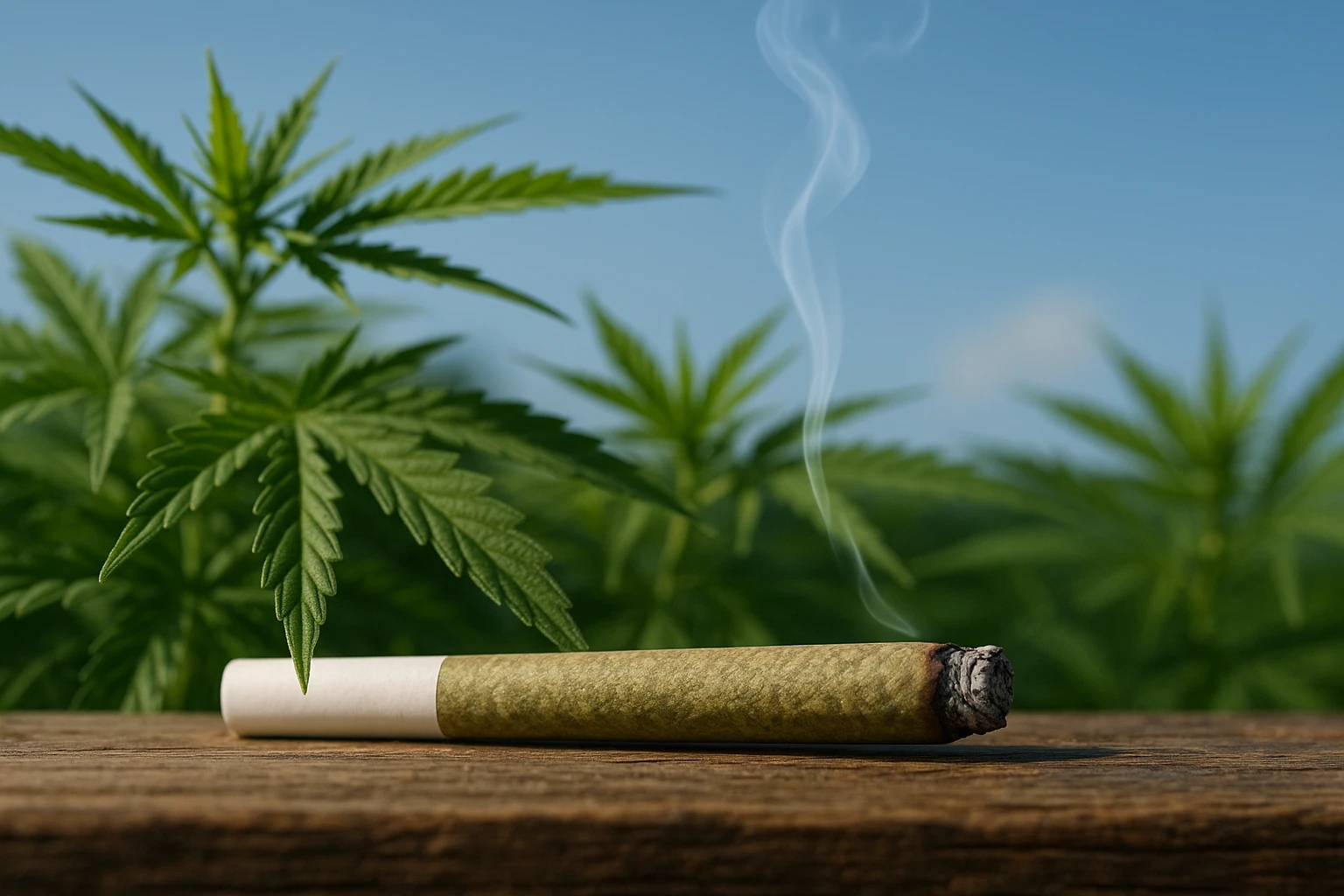
Exploring the Health Implications of CBD Cigarettes
Potential Therapeutic Effects
Recent pilot research hints at a possible therapeutic value when using CBD cigarettes alongside conventional treatments. In one randomized, open-label study involving patients with acute psychotic episodes, those who received CBD-cigarettes showed reduced reliance on antipsychotic medication compared to the placebo group over a four-week period. While symptom scores decreased in both groups, the CBD group required less medication, suggesting a potential sparing effect. However, the small sample size (31 participants) limits the strength of these findings and emphasizes the need for larger, controlled trials to confirm efficacy and safety. PubMed: CBD Cigarettes Study
Respiratory and Cellular Risks
Despite emerging interest in inhaled CBD, there are legitimate safety concerns, particularly related to inhalation. Laboratory studies show that aerosols from CBD-containing e-cigarettes can damage bronchial epithelial cells, lowering their viability and triggering inflammatory responses. One in vitro experiment noted increased cytotoxicity and elevated inflammatory markers like IL‑1β when cells were exposed to flavored CBD aerosol compared to unflavored formulations. The combination of CBD with nicotine further amplified harmful effects, especially when flavorings were involved. These findings underscore that inhalation of CBD—particularly in aerosol form—carries potential respiratory risks that warrant caution. PMC: Acute Effects of CBD Aerosols and PubMed: CBD + Nicotine Toxicity Study
Regulatory and Research Landscape
While regulatory agencies continue to evaluate CBD’s safety, especially in inhaled formats, broader usage trends point to a growing knowledge gap. A notable survey found CBD use in the U.S. increased by 50% over four years, yet medical consensus and long-term studies remain limited. Expert health groups caution that the inhalation route, including smoking or vaping CBD, lacks sufficient evidence for safety and may carry risks like liver injury or drug interactions. These concerns are heightened by inconsistent regulation and quality control across products. AP News: CBD Research Overview
Putting the pieces together, the current body of research offers both intriguing possibilities and clear red flags. Clinical data hint at supportive roles for CBD cigarettes in mental health treatment, but in vitro findings emphasize respiratory hazards—especially from flavored or combined formulations. With public interest in CBD continuing to rise, actionable insights center on prioritizing robust clinical trials, enforcing stronger quality standards, and encouraging alternative, less risky administration methods until inhaled CBD products are thoroughly vetted.
Health Risks and Clinical Observations Surrounding Inhaled CBD
Building on the previous discussion about respiratory hazards, it's also crucial to examine what research reveals about inhaled CBD in more controlled settings. Clinical and laboratory findings are beginning to shed light on potential risks linked to inhaled CBD—even when delivered via methods that seem more refined than smoking.
In Vitro and Animal Model Findings
Notably, studies comparing inhaled CBD aerosols to nicotine vapes demonstrate that CBD can induce significantly stronger inflammatory responses in lung tissue. In mice and cellular models, CBD vaping led to heightened oxidative stress, more severe lung damage, and elevated markers of inflammation when compared to nicotine-rated aerosols. These outcomes point toward acute injury pathways unique to CBD inhalation, underscoring the importance of cautious interpretation of safety claims—even in vaporized forms Not all vaping is the same: differential pulmonary effects of vaping cannabidiol versus nicotine pubmed.ncbi.nlm.nih.gov.
Further, in vitro experiments exposing bronchial epithelial cells to flavored and unflavored aerosols containing CBD (with or without nicotine) revealed increased cytotoxicity and proinflammatory cytokine release. Adverse effects were amplified when flavorings were present, suggesting that product formulation significantly influences toxicity profiles Acute Effect of Electronic Cigarette‑Generated Aerosol From Flavored CBD‑Containing Refill Solutions on Human Bronchial Epithelial Cells pubmed.ncbi.nlm.nih.gov.
Contrasting Inhalation Approaches and Potential Therapeutic Applications
Interestingly, inhaled CBD delivered via a metered dose inhaler (MDI) presents a different biological profile. In controlled lab systems, this delivery method effectively reduced cytokine production triggered by viral or pollutant exposure—without eliciting immune cell toxicity in respiratory cell models. Outcomes were reported as comparable to conventional anti-inflammatory treatments like budesonide Oral inhalation of cannabidiol delivered from a metered dose inhaler to alleviate cytokine production pubmed.ncbi.nlm.nih.gov. Although promising, these findings derive from in vitro data and thus cannot confirm safety or efficacy in real-world human use.
Key Takeaways and Real-World Implications
- Experimental findings suggest that inhaled CBD—particularly via vaping devices—can provoke stronger inflammatory responses than nicotine, contradicting assumptions of its harmlessness.
- Formulation matters: presence of flavorings or co-exposure with nicotine tends to exacerbate toxic and inflammatory outcomes, especially in airway lining cells.
- Alternative delivery routes, such as MDIs, may offer safer pharmacological benefits, but lack of clinical validation means they should not be considered risk-free.
Given these findings, consumers and healthcare providers should remain vigilant. While the idea of combining cannabis compounds with familiar delivery formats may seem appealing, laboratory studies still highlight considerable safety gaps. In the context of cbd cigarettes, these observations should reinforce reliance on evidence-based, clinical-grade formulations and delivery systems until rigorous human studies confirm safety and effectiveness.

Conclusion: Clear Insights and Next Steps
Bringing everything together, the journey of exploring CBD cigarettes leads us to both promising possibilities and important cautions. Studies suggest that inhalable CBD may help reduce cigarette consumption by around 40%, offering a potential tool for those aiming to quit smoking nicotine products PubMed. Meanwhile, CBD may diminish the appeal and salience of cigarette-related cues in abstinent smokers, potentially supporting behavioral shifts in tobacco dependence PMC. Despite these promising findings, robustness remains limited by small sample sizes and short follow-up periods.
At the same time, combusting hemp—even without nicotine—produces carbonyl compounds such as formaldehyde and acetaldehyde that are known toxicants PubMed. Furthermore, vaping CBD has been shown to cause greater lung inflammation and oxidative stress than vaping nicotine in preclinical studies Roswell Park. These findings underline that while cbd cigarettes may seem benign, they are not without health risks.
Actionable Insights for Readers
- Consider CBD cigarettes cautiously as a potential cessation aid—but recognize they are not benign substitutes.
- When exploring alternatives, weigh non-combustible options like sublingual drops or edibles, which may carry fewer respiratory harms.
- Stay informed by following reputable clinical trials and consult with healthcare professionals, especially if you’re managing other medications or health conditions.
Understanding the complex interplay between potential benefits and real risks is essential. Consumers and health professionals alike should seek out larger, long-term clinical trials to clarify efficacy and safety. Until such data emerge, the safest path remains reducing inhalation of combusted plant matter altogether.
If you're considering using CBD products—especially inhalable forms—start by discussing your options with a medical provider and remain informed about evolving legal and scientific developments in your region.
