

The Ultimate Guide to CBD Cigarettes: Benefits and Uses
Introduction
In a rapidly evolving wellness landscape, few innovations spark as much intrigue as the emergence of hemp-based smoking alternatives. For many adults exploring new ways to unwind, the option of inhaling plant-based smoke without nicotine offers a compelling blend of ritual and relaxation. One particularly notable innovation gaining traction is the use of cigarettes made from hemp—infused with cannabidiol—as a potentially smoother, non-addictive alternative to traditional tobacco products.
Recent market insights reveal how quickly this niche is expanding. Globally, hemp herbal cigarettes with CBD reached an estimated market size of USD 0.57 billion in 2024 and are projected to climb to USD 0.66 billion in 2025, with continued growth ahead globalgrowthinsights.com. In the U.S., rising consumer demand aligns with a broader shift toward nicotine-free smoking options, with approximately 42% of users citing CBD cigarettes as a nicotine substitute globalgrowthinsights.com.
Yet beyond commercial figures lies a growing interest in potential health and behavioral benefits. In a preliminary study, participants who used a CBD inhaler experienced a 40% reduction in cigarette consumption during treatment, suggesting practical value in addressing nicotine dependence pubmed.ncbi.nlm.nih.gov. Another controlled experiment demonstrated that CBD can reduce attentional bias toward cigarette cues, an encouraging sign for shaping long-term smoking behaviors pmc.ncbi.nlm.nih.gov.
Despite this promise, the scientific community urges caution. Broader CBD use has surged—by roughly 50% over four years—with one in five adults reporting usage in the past year, yet substantial clinical research remains limited and experts emphasize potential risks such as liver injury and drug interactions apnews.com.
Together, these trends set the stage for a nuanced exploration of hemp-derived smoking alternatives. Over the following sections, we’ll delve into how CBD cigarettes stand apart from traditional tobacco, examine consumer use patterns and motivations, unpack regulatory and safety considerations, and offer actionable strategies for informed adoption.
Distinctive Characteristics and Consumer Motivations
Building on our overview of hemp-derived alternatives, it's helpful to examine what sets CBD cigarettes apart and why they are gaining traction. Unlike traditional tobacco products, these smokeable items are crafted using hemp flower, providing a nicotine-free experience free from the addictive properties associated with tobacco combustion. Users report a cleaner draw and fewer cravings, partially due to the ritual of smoking itself rather than the nicotine hit.
Wellness-Oriented Appeal
Millions are turning to CBD cigarettes driven by wellness motivations. Industry data reveals that roughly 31% of users adopt hemp pre-rolls for therapeutic benefits, while nearly 42% view them as a nicotine-free smoking alternative—a reflection of broader health-conscious trends globalgrowthinsights.com. Many consumers express that this switch helps soothe anxiety, especially when traditional smoking behaviors are difficult to relinquish.
Market Growth and Usage Patterns
The global market for hemp herbal cigarettes infused with CBD is experiencing robust expansion. In 2024, the sector was valued at approximately USD 0.57 billion, and projections indicate it will reach USD 0.66 billion in 2025—with further growth expected to USD 1.94 billion by 2034, reflecting a compound annual growth rate (CAGR) of 12.7% globalgrowthinsights.com. Within the U.S., about 39% of consumers are opting for CBD cigarettes over tobacco, highlighting a strong domestic shift toward these alternatives.
Speed of Effects and Consumer Experience
One standout attribute lies in how quickly effects are felt. Smoking hemp allows for faster absorption of cannabidiol compared to other geographies, with onset ranging from seconds to minutes en.wikipedia.org. This immediacy is particularly appealing to consumers seeking quick relief, whether for stress, insomnia, or craving replacement. However, it's important to note that combustion still produces tar and other byproducts—making the experience more akin to traditional smoking than vapor-based methods.
Balancing Ritual with Harm Reduction
For individuals trying to cut back on tobacco, CBD cigarettes can offer a satisfying behavioral substitute without nicotine. This satisfies the sensory and habitual aspects of smoking while avoiding addiction. Still, users should remember that inhalation of burnt plant matter carries inherent risks, and although CBD is non-addictive, the act of smoking isn’t entirely risk-free. Recognizing this, the next section will turn to regulatory and safety considerations to help readers make informed choices.
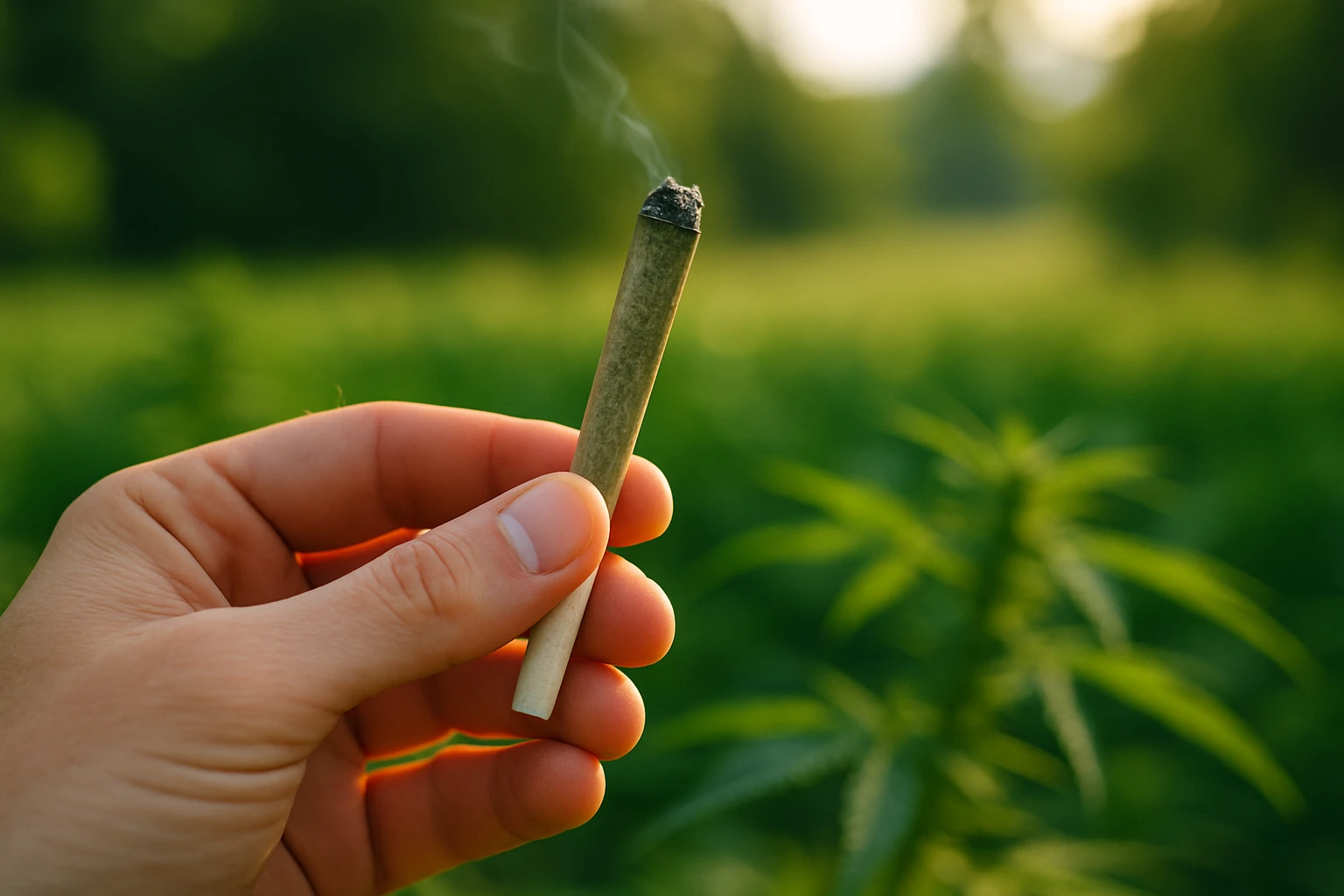
Health Benefits and Considerations of CBD Cigarettes
As the popularity of CBD cigarettes rises, understanding their health benefits and considerations becomes crucial for potential users. CBD, short for cannabidiol, is a non-psychoactive compound found in hemp plants. Many people turn to CBD cigarettes as a natural alternative for managing stress and anxiety. The calming effects of CBD have been noted in several studies, which highlight its potential to aid relaxation without the mind-altering effects associated with THC, the psychoactive component of cannabis.
The benefits of CBD cigarettes extend beyond stress relief. Some users report a reduction in physical discomfort and improvements in sleep quality. For example, a study published by the National Institutes of Health found that CBD may help lower inflammation and pain perception [source]. This makes CBD cigarettes appealing to those seeking relief from chronic pain or insomnia.
However, it's essential to approach CBD consumption with informed caution. The growing market is fertile ground for a mix of legitimate and less reliable products. Quality and purity can vary significantly between brands, impacting the effectiveness and safety of the product. For optimal results, selecting CBD cigarettes from reputable manufacturers who provide transparency about their sourcing and manufacturing processes is recommended.
Quality Indicators and Safety Concerns
When evaluating CBD cigarettes, consider several quality indicators. Look for products that have been tested by third-party laboratories. These tests can confirm cannabinoid content and ensure the absence of pesticides, molds, and heavy metals. According to a detailed review by Healthline, it's critical to check for clear labeling and lab results when purchasing CBD products [source].
While generally considered safe, CBD can interact with certain medications and has potential side effects, such as dry mouth, fatigue, and changes in appetite. It is wise to consult with a healthcare provider, especially for individuals with existing health conditions or those taking prescribed medications. As research continues to evolve, staying informed about new findings is beneficial for users to make safe, effective choices in their CBD cigarette use.
Balancing Act: Therapeutic Potential vs. Inhalation Risks
While the prior section detailed general safety considerations, here we turn attention toward the deeper nuances of combusting hemp materials and inhaling CBD via smoking or vaping. Gaining clarity on both therapeutic promise and exposure-related hazards can guide more informed usage decisions.
Clinical Evidence on Addiction and Smoking Reduction
Emerging research offers encouraging insights: a small-scale pilot study found that participants who used a handheld CBD inhaler reduced their cigarette consumption by roughly 40%, compared to no change in a placebo group—suggesting meaningful support as a cessation aid for nicotine smokerssource. Additionally, a controlled trial involving 800 mg oral CBD demonstrated that CBD reduced attentional bias toward cigarette-related cues in abstinent smokers, although it did not alter craving or withdrawal symptomssource.
Combustion-Related Hazards and Toxic Compounds
However, combusting hemp to create a cigarette introduces toxic byproducts. A 2021 study analyzing carbonyl emissions found that hemp-based cigarettes produce biologically significant levels of formaldehyde, acetaldehyde, acrolein, and other compounds—even if at lower per‑puff concentrations than tobacco, they remain health-relevant when normalized per cigarettesource. Thus, while switching to hemp may reduce some exposure, the act of burning any plant matter poses inherent respiratory risks.
Vaping CBD: Hidden Cytotoxic and Inflammatory Concerns
For those considering a smoke‑free alternative like vaping, important preclinical data raise alarm. In vitro studies show that aerosolized CBD—whether flavored or unflavored—can be more cytotoxic to human bronchial epithelial cells and induce elevated inflammatory cytokine release compared to controls without CBDsource. A related study further demonstrated that combining CBD with nicotine, especially in flavored solutions, produced additive toxicity, leading to higher cell damage and inflammatory responsessource.
Real-World Implications and Actionable Advice
Given the mixed picture, individuals exploring a CBD cigarette must weigh potential benefits—like reduced nicotine dependency or reduced cue reactivity—against well-documented risks of inhaling harmful byproducts. Opting for shorter duration or controlled use, avoiding frequent combustion, and considering non‑inhalation alternatives (e.g., tinctures, edibles) may help mitigate exposure. For anyone with respiratory sensitivities or cardiovascular concerns, seeking guidance from a healthcare provider is especially recommended.
We now transition to Section 5, which will explore practical guidelines: sourcing safer products, proper dosing, and strategies for reducing inhalation risks while exploring CBD delivery methods.

Conclusion – Clear Takeaways and Next Steps
Bringing together the insights throughout this article, it’s clear that inhaling hemp-based cigarettes offers unique considerations. Unlike typical tobacco, these herbal alternatives may sidestep nicotine’s addictive properties, yet they still involve combustion and potential exposure to harmful byproducts—so users must weigh convenience against health risks.
Key Takeaways
- Hemp cigarettes don’t produce nicotine addiction, but burning any plant material yields tar and toxins that can irritate the respiratory system.
- Preliminary studies show that inhaling cannabidiol via vapor or smoke can produce inflammatory and oxidative stress in lung tissues, raising concerns about respiratory health over time. Roswell Park Comprehensive Cancer Center
- On the other hand, controlled CBD use—in contexts like inhalers for smoking cessation or single-dose oral administration—has demonstrated potential to reduce cigarette consumption by up to 40% or reduce attentional bias toward smoking cues, suggesting a behavioral benefit. Beckley Foundation and PMC
Actionable Insights for Users and Professionals
For individuals, approaching hemp-based smoking with caution is wise. Consider these steps:
- Opt for non-combustible delivery methods—such as regulated inhalers or tinctures—to reduce exposure to combustion byproducts.
- If aiming to cut down or quit smoking, explore evidence-backed tools and consult healthcare providers about low-dose CBD alternatives that may support behavior change.
For health professionals and content creators, ensure assessments and information reflect the nuances of CBD delivery methods. Asking whether a patient vapes—or smokes hemp cigarettes—can clarify potential risks tied to combustion versus other forms of use. Stay current with evolving research to guide informed recommendations.
Final Call to Action
In conclusion, while hemp cigarettes might seem like a gentler option, their combustion delivers unpredictable chemicals to the lungs. If you’re seeking the potential benefits of CBD, explore safer, evidence-supported alternatives—such as CBD inhalers or controlled oral products. Consult a qualified provider before using any CBD-containing product, especially if you have existing respiratory conditions or take other medications. Making informed choices is key—your lung health and well-being deserve it.
