

The Ultimate Guide to CBD Cigarettes: Benefits, Uses, and Insights
Introduction to CBD Cigarettes
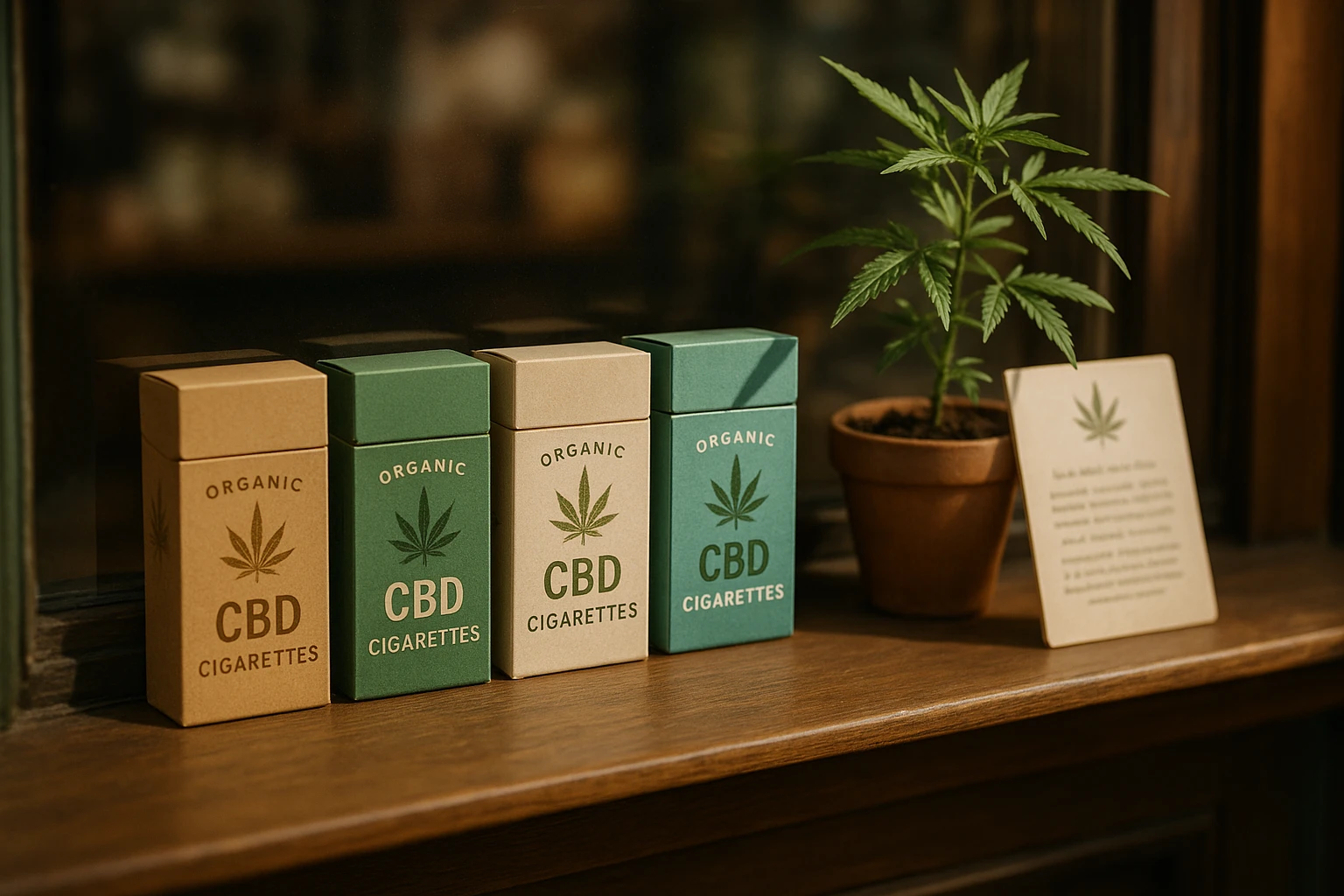
Imagine relaxing after a long day with a product that combines the ritual of smoking with the calming benefits of hemp-derived cannabidiol. CBD cigarettes have quietly entered the wellness and tobacco-alternative markets, offering users a familiar experience with potentially gentler effects than traditional cigarettes. These products consist of dried hemp wrapped similarly to conventional cigarettes, providing an alternative for individuals seeking a smoke-like format that delivers CBD without the psychoactive effects of THC.
Despite their growing presence in niche markets, the regulatory environment for these products remains complex. Under the 2018 Farm Bill, hemp-derived CBD containing less than 0.3% THC is federally legal in the U.S., allowing certain CBD cigarettes to be sold widely—yet they still evade comprehensive FDA regulation, which raises questions about quality control and consumer safety Medical News Today. This regulatory gap has significant implications for users who may unknowingly consume additives or mislabelled ingredients.
Use patterns offer intriguing insights: a study of young Swiss men found that over one-third of respondents reported smoking CBD mixed with tobacco, with 37.1% specifically using CBD cigarettes with tobacco PubMed. This demonstrates that users often combine CBD with familiar substances, potentially to modulate nicotine intake or emulate traditional smoking experiences. Real-world consumption habits like these are valuable for understanding product appeal and the motivations behind use.
Moreover, early-stage research suggests there may be more to these products than novelty. In a controlled study, smokers using a CBD inhaler reduced their cigarette consumption by approximately 40% over the treatment period when using CBD compared to a placebo PubMed. While this doesn’t directly involve CBD cigarettes, it underscores the broader potential of inhaled CBD in aiding cessation or reduction efforts.
As interest in smoke-based CBD delivery grows, driven by both familiarity and a desire for alternative wellness options, the demand for reliable information becomes critical. Exploring how these products fit into broader substance use patterns and health goals sets the foundation for evaluating their role in modern wellness and tobacco harm reduction.
The Appeal of CBD Cigarettes
CBD cigarettes are gaining traction as a preferred choice for many seeking relaxation without the psychoactive effects associated with traditional cannabis. Understanding what makes these products appealing requires considering multiple factors ranging from health benefits to social dynamics. Unlike nicotine or tobacco-based products, CBD cigarettes are perceived as a healthier alternative, appealing to those looking to quit smoking. These cigarettes provide a similar experience without the addictive properties of nicotine, making them a suitable option in smoking cessation programs. According to NCBI research, CBD can potentially reduce anxiety and improve mood, qualities that are beneficial for individuals attempting to transition away from tobacco.
Health Benefits and Concerns
Many consumers are drawn to CBD cigarettes because of the alleged health benefits associated with cannabidiol. CBD is touted for its anti-inflammatory, anti-anxiety, and analgesic properties. These benefits make it an attractive option for individuals dealing with chronic pain or stress. For example, a study published by the World Health Organization suggests that CBD may help in managing conditions such as epilepsy and anxiety, offering an added incentive for health-conscious individuals. However, not all associated concerns are eliminated. The act of smoking, regardless of the substance, can still present respiratory risks, and prolonged use might lead to other complications. It is crucial for users to weigh these factors carefully and consider alternative methods of CBD consumption if necessary.
Social and Cultural Aspects
The social acceptance of CBD cigarettes is rising, particularly as laws around cannabis products continue to evolve. In certain circles, using CBD in this form is seen as a socially acceptable way to unwind among peers. As CBD use gains mainstream traction, the stigma traditionally associated with cannabis is diminishing, and products like cbd cigarettes are normalizing. In states where cannabis products are legal, consumers report feeling more comfortable using CBD cigarettes in public settings or social events, where the act of smoking can be both a shared experience and a conversation starter. This shift in cultural perception is vital for brands aiming to market their products to a wider audience.
In conclusion, CBD cigarettes are positioned at the intersection of health benefits and social acceptance. They appeal not only to individuals seeking therapeutic effects but also to those eager to participate in evolving social norms while avoiding the more controversial aspects of cannabis consumption.

Understanding the Benefits of CBD Cigarettes
CBD cigarettes are gaining popularity due to their therapeutic properties and legal status in many regions. These cigarettes are made from hemp, which contains high levels of cannabidiol (CBD) and minimal tetrahydrocannabinol (THC), ensuring users do not experience a psychoactive high. The primary allure of CBD cigarettes lies in their potential health benefits, which are backed by emerging research and anecdotal evidence.
An increasing number of individuals use CBD cigarettes as an alternative to traditional tobacco products. For many, the transition is driven by the desire to reduce nicotine intake while retaining the familiar ritualistic aspects of smoking. According to a study from National Center for Biotechnology Information, CBD may assist with nicotine addiction by easing withdrawal symptoms and reducing cravings.
Potential Health Benefits
Research suggests that CBD can offer several potential health benefits, including anxiety relief, improved sleep quality, and reduced inflammation. A notable study by The Permanente Journal found that CBD can enhance sleep and alleviate anxiety in patients with post-traumatic stress disorder (PTSD), offering potential respite for individuals seeking natural solutions. Access the full study here.
Furthermore, CBD cigarettes might provide anti-inflammatory effects, making them particularly appealing for individuals with chronic pain. A detailed review from the European Journal of Pain indicates that CBD's interaction with the body's endocannabinoid system can potentially reduce pain sensation and inflammation. This aligns with the growing interest in plant-based treatment options in the wellness community.
Real-World Applications
The use of CBD cigarettes extends beyond individual consumers. They've also gained traction within smoking cessation programs, offering a viable alternative for those seeking to quit traditional cigarettes. Programs incorporating CBD as a cessation tool report initial successes, citing improved overall well-being among participants. Testimonials from users frequently highlight a decrease in daily cigarette consumption, coupled with an enhanced sense of calm.
As scientific research progresses, the understanding and application of CBD cigarettes are likely to expand further. Businesses in the industry continue to innovate, crafting high-quality products that prioritize user experience and boost accessibility. By leveraging regulatory advancements and ongoing scientific inquiry, the CBD cigarette market is poised to grow, delivering benefits to an expanding consumer base.
Research Insights and Evidence-Based Applications
Building upon industry momentum, emerging scientific studies offer encouraging evidence of how CBD cigarettes may support harm reduction and smoking cessation efforts. In one notable placebo-controlled pilot study, individuals using a CBD inhaler when craving cigarettes reduced their tobacco consumption by approximately 40% over the treatment week, whereas placebo users showed no change PubMed. This suggests inhaled CBD might act as an effective nicotine substitute during quit attempts, particularly for those seeking behavioral continuity without dependence reproduction.
In a compelling clinical case, a patient with schizophrenia and severe substance use challenges—including cannabis and cocaine disorders—was integrated into a therapeutic regimen involving low-THC, CBD-rich cigarettes. Over months, the patient reported a decreased reliance on illicit cannabis, ceased cocaine use, and experienced no psychiatric hospitalizations following the intervention Frontiers in Psychiatry. While this single case does not establish generalizable results, it illustrates how CBD-infused herbal smokes may function as adjunctive tools in complex psychiatric and addiction care.
Market data further complements clinical findings by highlighting consumer trends indicating widespread appeal and growing acceptance. A global report valued the hemp herbal cigarette industry at USD 0.57 billion in 2024, with projections to reach USD 0.66 billion in 2025 and nearly USD 1.94 billion by 2034, reflecting a strong 12.7% CAGR. In the U.S. alone, consumers favor these products for nicotine-free alternatives, relaxation, and flavor innovation—underscoring interest across both wellness and recreational segments Global Growth Insights.
For practitioners and stakeholders seeking actionable guidance, these findings suggest several strategic paths. Healthcare providers could consider exploring low-THC CBD cigarettes as transitional tools for patients resistant to nicotine replacement therapies. Meanwhile, companies in this sector should emphasize transparent sourcing, rigorous lab testing, and flavor innovations to support both consumer trust and therapeutic credibility. By integrating clinical evidence with consumer behavior data, professionals can shape more effective and ethically responsible offering strategies.
Conclusion: Key Takeaways and Next Steps
In closing, the landscape of CBD cigarettes presents both compelling potential and important cautions. As research evolves, it’s clear that while CBD may offer certain benefits—such as stress relief or aiding in tobacco cessation—safety and regulatory clarity remain essential.
Main Insights
- Although many users report therapeutic effects, the FDA highlights that unregulated CBD products, such as CBD cigarettes, may present risks including liver enzyme elevations, mood changes, and drug interactions—estimated in about 5.6% of users in clinical studies FDA safety trial.
- Combustion of hemp in cigarettes can release harmful carbonyl compounds similar to those found in tobacco smoke, raising concerns about lung and heart health Medical News Today on CBD cigarettes safety.
- Alternatively, some evidence suggests that CBD might support smoking cessation by reducing stress and withdrawal symptoms—an NIH-funded study at the University of Minnesota is currently exploring this potential benefit in depth NIH-funded U of M CBD study.
Actionable Recommendations
First, individuals considering these products should consult healthcare professionals, especially if using medications or dealing with liver or respiratory concerns. Regular health monitoring, including liver function tests, can help mitigate potential risks.
Next, consumers should prioritize reputable brands with third-party testing and transparent labeling. Verifying that THC content remains under the 0.3% threshold (where applicable) helps maintain compliance with federal guidelines. Being informed about evolving state laws and FDA policy is also key to ensuring legal and safe use.
Ultimately, staying informed matters. Whether you're intrigued by the potential of CBD cigarettes or cautious about their health implications, continued research and thoughtful consideration should guide your choices. For those interested, subscribing to updates from reputable research organizations, health institutions, or regulatory agencies is an excellent way to keep pace with emerging findings.
If you'd like help evaluating trusted brands, interpreting lab results, or navigating your local regulations, feel free to reach out—I’m here to help you make informed and responsible decisions.
