

Ultimate Guide to CBD Cigarettes: Benefits, Uses, and Tips
Introduction
Imagine a world where the calming ritual of smoking doesn't carry the risk of nicotine addiction or the lingering guilt of tobacco’s health repercussions. For wellness-minded consumers seeking a mindful alternative, CBD cigarettes are emerging as a compelling option. These products combine the familiar experience of smoking with cannabidiol’s soothing properties, offering a bridge between traditional rituals and modern wellness trends.
The market for these innovative products is expanding rapidly. Industry projections suggest that the global CBD cigarette market is expected to grow from approximately USD 1.42 billion in 2024 to around USD 1.59 billion by 2025, scaling further to an estimated USD 5.0 billion by 2035—driven by a compound annual growth rate near 12.1% industrytoday.co.uk. This growth reflects shifting consumer preferences: many users seek relaxation or a nicotine-free ritual without sacrificing the hand-to-mouth experience of smoking.
Beyond market figures, scientific studies are beginning to shed light on real-world applications. In a pioneering clinical study, smokers who used CBD via inhalation experienced a roughly 40% reduction in cigarette consumption during the treatment period, compared to a placebo group pubmed.ncbi.nlm.nih.gov. Such findings underscore the potential of CBD-infused smoking alternatives as more than just a trend—they could form part of harm-reduction strategies.
At the same time, the format itself offers unique advantages. CBD cigarettes, made from hemp rather than tobacco, contain negligible THC and no nicotine. This makes them a non-addictive alternative while preserving a smoking-like ritual en.wikipedia.org. Early pilot research even suggests that smoked CBD might help reduce psychotic medication requirements, though more robust studies are needed to confirm these effects pubmed.ncbi.nlm.nih.gov.
This introduction aims to frame these products not just as novelties but as part of a broader paradigm shift—bridging traditional smoking habits with wellness-focused alternatives. The remainder of this article will explore consumer motivations, regulatory landscapes, product comparisons, and guidance for navigating this growing yet nuanced market.
Consumer Adoption Trends and Usage Motivations
Following the introductory overview of CBD cigarettes as a bridge between traditional smoking and wellness trends, the next focus shifts to understanding why consumers are embracing these products. From market dynamics to individual motivations, this section explores the forces driving adoption and patterns in real-world use.
Market Growth and Regional Penetration
Recent analyses anticipate substantial growth in the global hemp herbal cigarette sector, with market value projected to expand from approximately $1.59 billion in 2025 to $5 billion by 2035, reflecting a compound annual growth rate of about 12.1 % wiseguyreports.com. North America is emerging as a dominant region, boasting a market worth $750 million in 2024 with strong potential to reach $2.5 billion by 2035 wiseguyreports.com. In the U.S. specifically, nearly 39 % of consumers are opting for CBD cigarettes over traditional tobacco, with motivations including wellness, stress reduction, and avoidance of nicotine dependence globalgrowthinsights.com.
Key Consumer Motivations
Consumers are gravitating toward CBD cigarettes for a variety of compelling reasons. A significant portion—around 42 %—choose these products as nicotine-free alternatives, with 31 % motivated by the perceived wellness benefits globalgrowthinsights.com. Recreational users, especially younger demographics, cite smoother sensory experiences and innovative flavors as major attractions, with flavor innovation driving 36 % of purchasing decisions globalgrowthinsights.com. Additionally, roughly 27 % of medical users turn to hemp prerolls for therapeutic purposes such as anxiety relief, better sleep, or pain management globalgrowthinsights.com.
Real-World Brand and Retail Expansion
In practice, businesses are capitalizing on rising demand through strategic expansions and product innovation. CBD American Shaman, for instance, opened 72 new franchise locations in 2025, fueling a 13.4 % increase in its hemp cigarette segment globalgrowthinsights.com. Similarly, NuLeaf Naturals reported a 14 % surge in CBD preroll sales following distribution into 1,200 retail outlets globalgrowthinsights.com. Bhang Corporation also advanced its offerings through a novel cannabinoid-flavor infusion technology, resulting in a 22 % year-over-year boost in premium preroll segment performance globalgrowthinsights.com.
Insights for Stakeholders
Understanding these trends offers actionable insights for retailers, marketers, and product developers. Brands targeting wellness-focused consumers should prioritize product lines highlighting stress relief and flavor diversity. Retailers can benefit from expanding in-store availability, as consumers often prefer tactile shopping experiences for credibility and convenience. Moreover, educational initiatives that clarify differences from nicotine or THC-containing products can help demystify CBD cigarettes and foster informed adoption. Aligning product messaging with the motivations of both recreational users seeking smoother alternatives and medical users seeking therapeutic effects is key to sustainable growth.
Collectively, these data-driven observations underscore that consumer appeal for cbd cigarettes is rooted in their perceived balance of wellness, sensory experience, and nicotine-free composition. The convergence of market momentum and evolving lifestyles suggests that these products are likely to remain a notable segment within the broader shift toward holistic, natural alternatives.
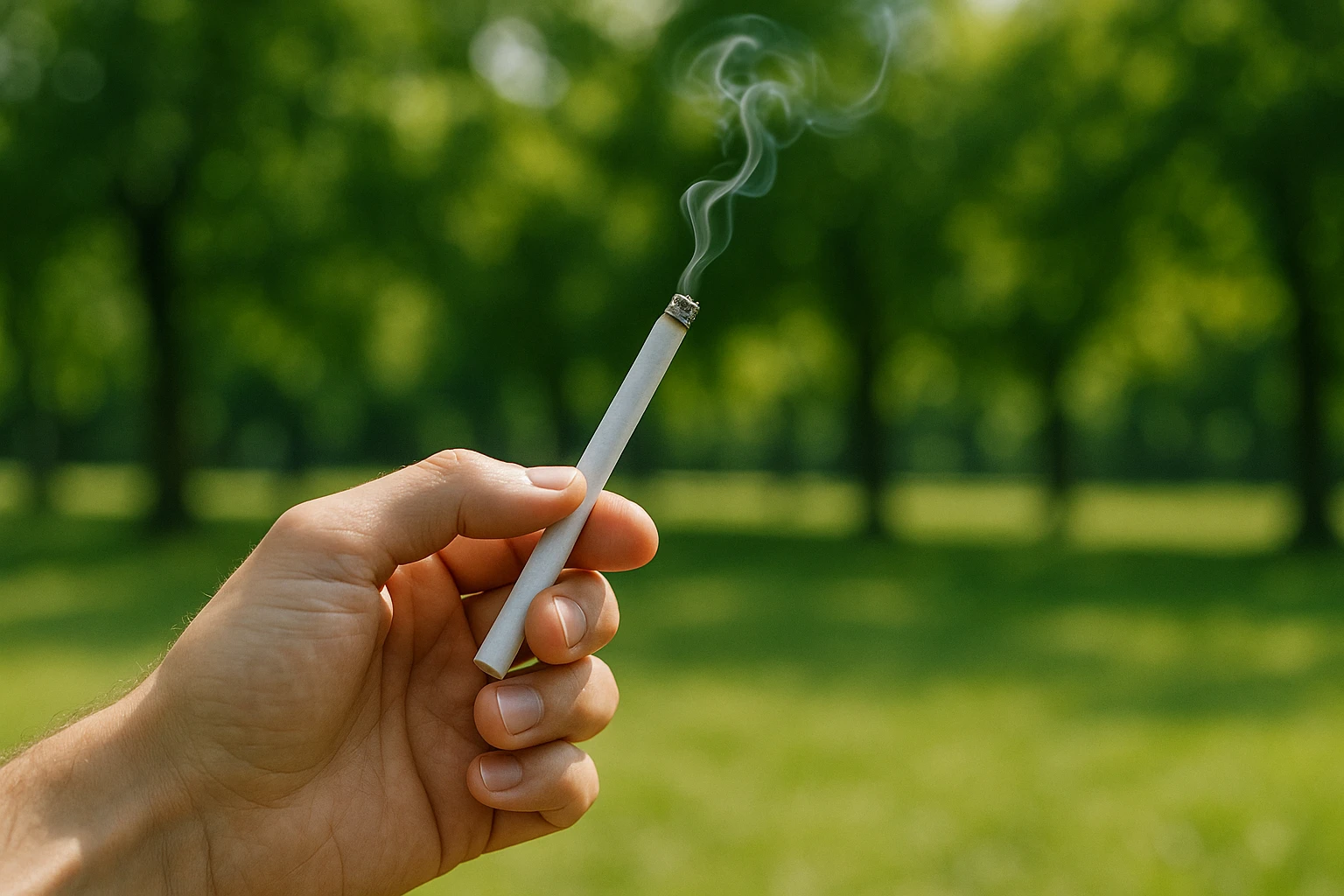
Health Benefits and Considerations
As the popularity of CBD cigarettes grows, understanding their potential health benefits is crucial. CBD, or cannabidiol, is a non-psychoactive compound found in cannabis plants that has gained attention for its possible therapeutic effects. Many users turn to CBD cigarettes for their purported ability to alleviate stress and anxiety. According to a study published in the journal Clinical Therapeutics, CBD has been shown to reduce anxiety in a significant number of test subjects, providing a natural alternative to traditional anti-anxiety medications.
Besides mental wellness, CBD cigarettes may contribute to pain relief. Users often report reduced symptoms associated with chronic pain conditions. For instance, a report from PubMed Central points out that CBD interacts with endocannabinoid receptors in the body, which are integral in regulating pain and inflammation. This interaction could potentially offer relief for individuals suffering from arthritis or other inflammatory conditions.
When exploring the benefits, it's essential to consider the delivery method's impact on health. Unlike traditional tobacco cigarettes, CBD cigarettes do not contain nicotine, which is the addictive substance found in tobacco products. However, this doesn't mean they are entirely without risks. Inhaling any smoke into the lungs can have detrimental effects. Therefore, individuals with respiratory issues should consult with healthcare providers before use. The rise of CBD vape alternatives could offer a safer option for these individuals, though research is ongoing regarding the long-term effects of vaping CBD.
It's important to address the quality and source of the CBD used in these cigarettes. Since the industry is relatively unregulated, ensuring that the CBD comes from a reputable source is vital. Checking for third-party lab testing can help confirm the absence of harmful chemicals or pesticides in the product. Brands like Plain Jane and Wild Hemp provide lab results upon customer requests, promoting transparency and trust in their product offerings.
Finally, the legal landscape surrounding CBD products varies significantly. In the United States, CBD derived from hemp became federally legal with the 2018 Farm Bill, yet state regulations can differ. Consumers should familiarize themselves with local laws to ensure compliance. Engaging with community forums or legal blogs can also provide current insights and updates on CBD legislation.
Health Insights and Safety Considerations
The transition from discussing legal frameworks to examining practical health aspects opens a critical perspective on CBD cigarettes. One promising area for exploration is the potential role of inhaled cannabidiol in addressing nicotine addiction. In a controlled human study, CBD–administered via inhaler rather than through smoking—helped participants reduce cigarette consumption by approximately 40% during treatment, with lingering effects at follow-up, suggesting potential benefits in smoking cessation efforts PubMed study.
However, it’s important to distinguish between inhalers and smoked products: research highlighting reductions in cigarette use via CBD inhalation does not directly validate the safety or efficacy of combusted hemp products. Indeed, laboratory analysis of mainstream smoke from hemp-based cigarettes revealed that they still emit significant levels of carbonyl compounds—such as formaldehyde and acetaldehyde—that are known respiratory toxicants—albeit sometimes at lower levels than traditional tobacco counterparts carbonyl analysis.
Further complicating the safety profile, pyrolysis of cannabidiol in e-cigarette applications has been shown to produce psychoactive byproducts, including Δ9‑THC and other cannabinoids at elevated temperatures (up to 52% conversion), raising concerns about unintentional exposure to active THC pyrolysis research. This chemical transformation could carry legal, cognitive, or drug‑testing implications for users.
In vitro studies also highlight potential inflammatory and cytotoxic effects. For instance, vaporized CBD in propylene glycol solutions has demonstrated increased release of inflammatory cytokines and decreased cell viability in bronchial epithelial cells, particularly when combined with flavor additives Frontiers in Physiology findings. This suggests that inhaling flavored hemp aerosols may pose additive respiratory risks.
These findings collectively underscore that while some evidence supports cannabidiol’s therapeutic potential—especially in reducing cigarette use—combusted or vaporized delivery via hemp cigarettes does not come without risks. Consumers considering the use of cbd cigarettes should weigh these respiratory and chemical safety concerns carefully. Opting for oral tinctures or edibles may offer safer alternatives, particularly for individuals seeking symptom relief without involving inhalation. As always, consulting a healthcare professional remains a prudent step before incorporating any CBD product into one’s routine.

Conclusion
Drawing together insights from real‑world studies and regulatory insights, it's clear that CBD products—especially those like hemp‑based cigarettes—present a nuanced picture for users. Early evidence suggests inhaled forms of CBD may aid in reducing nicotine intake; one small randomized controlled trial found smokers using a CBD inhaler reduced cigarette consumption by approximately 40% during the treatment week, with effects persisting briefly afterward PubMed. Yet, broader health claims, especially regarding tobacco alternatives, remain unsupported. Herbal cigarettes, for example, emit carcinogenic compounds similar to their tobacco counterparts and frequently leverage misleading marketing tactics, according to peer‑reviewed analyses PubMed.
For practical application, smokers exploring CBD alternatives—such as cbd cigarettes—should approach with caution. If the goal is reducing traditional cigarette use, incorporating a CBD inhaler along with behavioral support may be more promising than relying solely on combustible products. Health professionals should guide patients toward evidence‑based cessation aids while framing any CBD use as adjunctive rather than curative.
Key Takeaways
- Cannabidiol may help reduce cigarette cravings when delivered via inhaler or controlled dosage systems.
- Combustible herbal or hemp‑based smokes still pose significant risks due to tar and carcinogens.
- Consumers should scrutinize product claims, especially on platforms like Amazon, where misleading messaging is prevalent.
- Future research needs robust design—including larger sample sizes and fixed dosages—to properly evaluate therapeutic potential.
As a next step, consider consulting with medical professionals about cessation strategies that fit your lifestyle. If you're intrigued by CBD's role, explore non‑combustible products with verified formulations and reputable sourcing. Combining this with structured support—whether counseling, smoking cessation programs, or digital tools—offers a stronger path forward.
Ultimately, while CBD holds potential, especially in innovation‑driven formats, the healthiest gains come from minimizing smoke exposure altogether. Your journey toward better health starts with informed choices and action backed by reliable evidence.
