

Why Smoke Hemp – Wellness, Relaxation, and Legal Benefits
Most American adults searching for natural wellness solutions have noticed a surge in hemp smoking alternatives. With over 100 unique cannabinoids identified in the Cannabis sativa plant, many are exploring this ancient practice for its potential to support mood and relaxation. Understanding how hemp smoking works and what sets it apart can help you make informed choices about non-intoxicating herbal options in an evolving wellness landscape.
Table of Contents
- What Is Hemp Smoking And How It Works
- Types Of Hemp Smokes And Cannabinoid Profiles
- Key Wellness Benefits Of Hemp Cigarettes
- Legal Status Of Hemp And CBD Smokes In The U.S.
- Risks, Myths, And How Hemp Compares To Tobacco
Key Takeaways
| Point | Details |
|---|---|
| Hemp Smoking Benefits | Inhaling hemp can provide wellness benefits such as stress reduction and mood stabilization due to its non-psychoactive cannabinoids like CBD. |
| Legal Status | Hemp and CBD products with less than 0.3% THC are legal federally, but state laws may vary, so consumers should verify local regulations. |
| Comparison to Tobacco | Hemp cigarettes are nicotine-free and potentially less harmful than traditional tobacco, presenting a non-addictive alternative for users. |
| Types and Selection | Different hemp strains offer unique cannabinoid profiles, allowing consumers to customize their smoking experience for specific wellness goals. |
What Is Hemp Smoking and How It Works
Hemp smoking involves inhaling the smoke produced from burning hemp plant flowers or leaves, a practice rooted in centuries of herbal traditions. The Cannabis sativa plant contains unique cannabinoid compounds that interact with the human body’s complex endocannabinoid system, potentially offering various wellness benefits.
When hemp is smoked, its active cannabinoids like CBD are rapidly absorbed through the lungs, allowing for quick interaction with the body’s receptors. These cannabinoids can regulate critical physiological functions including mood, appetite, and pain sensation, making hemp smoking an intriguing alternative for those seeking natural wellness approaches.
The process involves carefully selected hemp flower, typically rolled into cigarettes or smoked through pipes. Unlike marijuana, hemp contains minimal THC levels, ensuring users can experience potential therapeutic effects without psychoactive experiences. Key components of hemp smoking include:
- Rapid cannabinoid absorption
- Natural, chemical-free consumption method
- Potential stress and anxiety reduction
- Non-intoxicating experience
By understanding hemp smoking’s mechanics, users can explore a mindful, wellness-oriented approach to herbal consumption that prioritizes holistic health and natural alternatives.
Types of Hemp Smokes and Cannabinoid Profiles
Hemp smokes represent a diverse category of herbal products featuring unique cannabinoid compositions, with CBD cigarettes offering a non-addictive alternative to traditional tobacco consumption. These specialized smoking options provide users with potential wellness benefits through carefully curated hemp flower varieties.
Hemp plants can synthesize an impressive range of cannabinoids, with over 100 distinct compounds identified in scientific research. The most prominent cannabinoids found in hemp smokes include:
- CBD (Cannabidiol): Primary non-psychoactive compound
- CBG (Cannabigerol): Potential anti-inflammatory agent
- CBC (Cannabichromene): Emerging research suggests mood support
- CBDA (Cannabidiolic Acid): Precursor to CBD with potential therapeutic applications
The understanding of different hemp strains becomes crucial when selecting appropriate hemp smokes. Each strain offers a unique cannabinoid profile, allowing users to target specific wellness objectives through mindful selection of their preferred hemp smoking experience.
Modern hemp smoking products range from pre-rolled cigarettes to loose flower options, each designed to provide a clean, chemical-free alternative to traditional tobacco consumption. By carefully selecting hemp varieties with specific cannabinoid concentrations, consumers can customize their experience to support stress reduction, relaxation, and overall well-being.
Key Wellness Benefits of Hemp Cigarettes
Hemp cigarettes offer a compelling alternative for wellness-focused individuals seeking natural stress management and potential health support. Cannabis contains over 460 unique compounds, including more than 140 phytocannabinoids that contribute to their potential therapeutic potential, making them an intriguing option for holistic wellness approaches.
The primary wellness benefits of hemp cigarettes include:
- Stress Reduction: Natural compounds help modulate anxiety responses
- Mood Stabilization: Non-psychoactive cannabinoids support emotional balance
- Potential Pain Management: CBD may help reduce inflammation
- Relaxation Support: Promotes calm without intoxicating effects
Hemp represents a rich source of functional metabolites that can be easily absorbed through smoking, providing rapid delivery of potentially beneficial compounds. Unlike traditional tobacco products, hemp cigarettes offer a cleaner alternative that focuses on wellness rather than addictive substances.

The 7 key advantages of hemp smoking for wellness seekers demonstrate its growing popularity among individuals seeking natural approaches to health management. By providing a chemical-free, non-addictive option, hemp cigarettes represent an innovative approach to personal wellness that aligns with holistic health principles.
Legal Status of Hemp and CBD Smokes in the U.S.
Hemp and CBD smokes occupy a unique legal position in the United States, thanks to significant legislative changes in recent years. The 2018 Farm Bill allows the sale of hemp products containing less than 0.3% THC on a dry weight basis, creating a clear legal pathway for hemp-derived smoking products across the country.
Key legal considerations for hemp and CBD smokes include:
- Federal Legality: Products with less than 0.3% THC are federally legal
- State Variations: Individual state regulations may differ
- Product Composition: Strict requirements for THC content
- Age Restrictions: Typically limited to adults 21 and older
The legal landscape for cannabis and CBD products remains complex and continues to evolve, with ongoing changes at both state and federal levels. This complexity means consumers must stay informed about current regulations in their specific location.
The legal status of CBD cigarettes provides consumers with a clear understanding of their rights when purchasing and consuming hemp-based smoking products. While federal law provides a broad framework, users should always verify local regulations and ensure they are purchasing from reputable sources that comply with all applicable legal requirements.
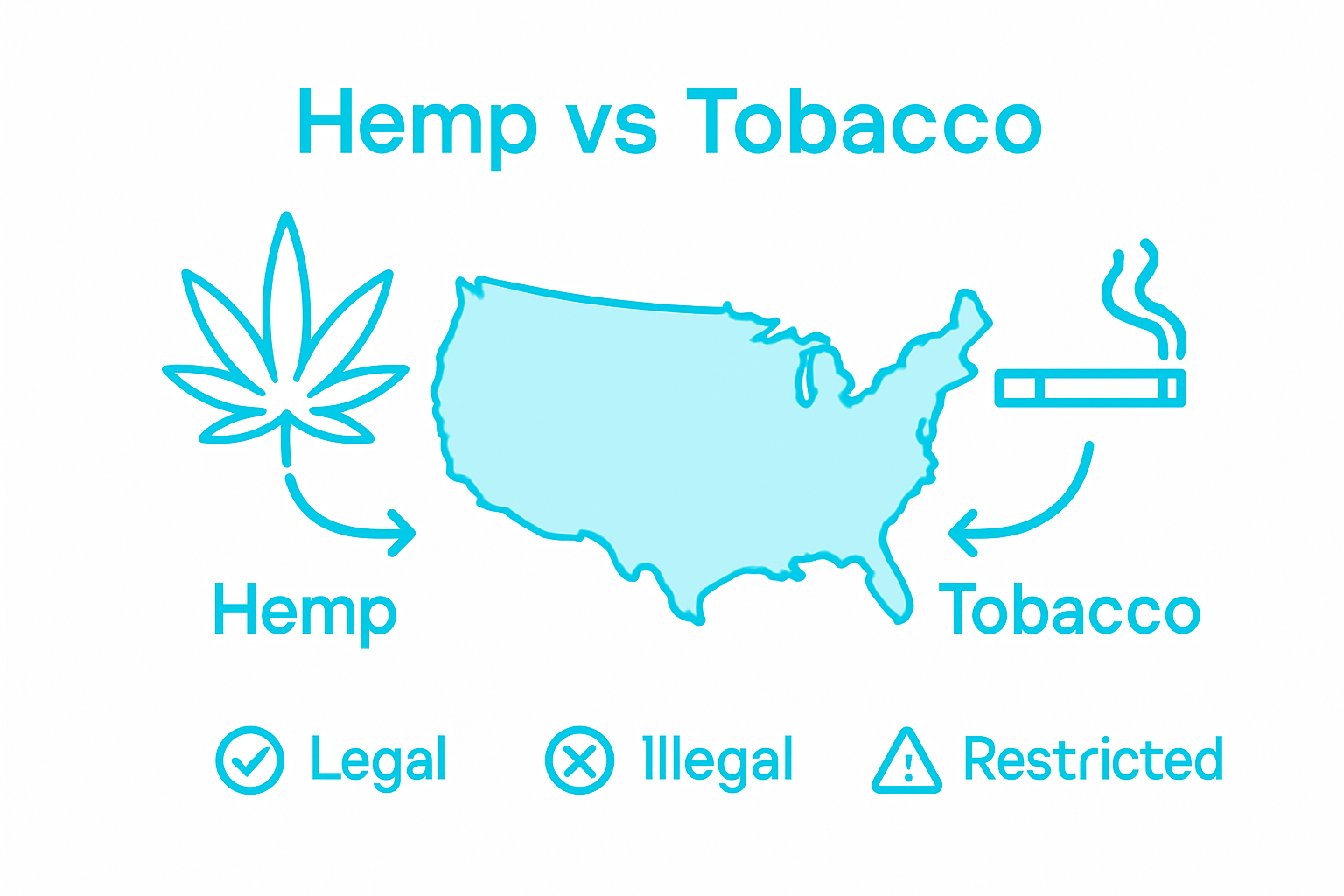
Risks, Myths, and How Hemp Compares to Tobacco
Hemp smoking presents a complex alternative to traditional tobacco consumption, with significant differences in health implications and chemical composition. CBD cigarettes offer a non-addictive option, containing no nicotine and providing an alternative to traditional tobacco products, though consumers should remain aware of potential combustion-related risks.
Key comparative aspects between hemp and tobacco include:
- Addiction Potential: Hemp lacks nicotine, reducing dependency risks
- Chemical Composition: Hemp contains beneficial cannabinoids
- Smoke Byproducts: Both produce tar during combustion
- Health Impact: Hemp lacks many harmful tobacco additives
Public perception of cannabis has dramatically shifted, with increasing recognition of its potential therapeutic benefits, challenging long-standing misconceptions about hemp and its derivatives. Smokers are increasingly switching to hemp as a healthier alternative, driven by growing awareness of tobacco’s significant health risks.
While hemp smoking is not entirely risk-free, scientific research suggests it represents a potentially less harmful alternative to traditional tobacco consumption. Consumers should approach hemp smoking with an informed perspective, understanding both its potential benefits and inherent combustion-related risks.
Discover a Healthier Way to Enjoy Hemp for Wellness and Relaxation
The article highlights the challenges many face when seeking a natural, legal alternative to traditional tobacco that supports wellbeing without intoxication or addiction. If you want to experience stress reduction, mood stabilization, and a chemical-free smoking ritual, Full Moons Club offers a carefully crafted solution. Our premium hemp cigarettes are made from organic U.S.-grown hemp, rich in cannabinoids like CBD, CBG, and CBC—all designed to deliver rapid cannabinoid absorption without the harmful additives of tobacco.

Explore our collection and switch to a smoother, nicotine-free experience that supports your goals for mindfulness and relaxation. With 0% THC and federal legality, our products align perfectly with the wellness benefits and legal clarity discussed in the article. Visit Full Moons Club today to elevate your hemp smoking experience and embrace a healthier, sustainable lifestyle. Take the first step toward natural stress relief and wellness by discovering our premium hemp smokes at Full Moons Club.
Frequently Asked Questions
What are the primary wellness benefits of smoking hemp?
Hemp smoking offers benefits such as stress reduction, mood stabilization, potential pain management, and relaxation support, all without the intoxicating effects of THC.
How does hemp smoking compare to traditional tobacco?
Hemp smoking lacks nicotine, reducing addiction risks, and contains beneficial cannabinoids, whereas tobacco has harmful additives and is highly addictive.
What cannabinoids are commonly found in hemp smokes?
Common cannabinoids in hemp smokes include CBD (Cannabidiol), CBG (Cannabigerol), CBC (Cannabichromene), and CBDA (Cannabidiolic Acid), each offering unique potential benefits.
Is hemp smoking a legal alternative to tobacco in the United States?
Yes, hemp products containing less than 0.3% THC are federally legal, but state regulations may vary. It’s important for consumers to stay informed about local laws.
