

Role of Affiliate Brands in CBD: Complete Guide
Over 60 percent of american consumers report confusion about CBD brands and their claims. With a crowded marketplace and regulations that shift from state to state, finding trustworthy information can feel like a challenge. This guide untangles how affiliate brands are shaping the CBD industry, explaining which strategies promote transparency, drive consumer trust, and create new opportunities for both brands and partners.
Table of Contents
- Defining Affiliate Brands In CBD Industry
- Key Models Of CBD Affiliate Partnerships
- How Affiliate Brands Drive Consumer Trust
- Legal Requirements For CBD Affiliate Marketing
- Maximizing Benefits And Avoiding Pitfalls
Key Takeaways
| Point | Details |
|---|---|
| Role of Affiliate Brands | Affiliate brands serve as essential connectors between CBD manufacturers and consumers, promoting products through digital channels for commission. |
| Effective Partnership Models | Revenue share and CPA models dominate the CBD affiliate space, incentivizing authentic content creation and performance-driven strategies. |
| Building Consumer Trust | Transparency in marketing and education about CBD products are critical for affiliate brands to establish credibility and trust with consumers. |
| Navigating Legal Compliance | Successful CBD affiliate marketing requires adherence to complex legal regulations, focusing on transparent product information and compliance with advertising restrictions. |
Defining Affiliate Brands in CBD Industry
Affiliate brands in the CBD industry represent a dynamic marketing ecosystem where independent publishers strategically promote hemp and cannabinoid products through diverse digital channels. These affiliate networks function as powerful connectors between CBD manufacturers and potential consumers, enabling targeted product promotion and revenue sharing.
At its core, affiliate marketing in the CBD space involves independent content creators, bloggers, influencers, and websites promoting CBD products for commission. These digital entrepreneurs leverage their online platforms to introduce audiences to specific brands, creating mutually beneficial relationships that expand product visibility and generate sales. Affiliates typically earn a percentage of each transaction they help generate, incentivizing authentic and strategic product recommendations.
The mechanism of CBD affiliate marketing is nuanced and strategic. Affiliates receive unique tracking links or promotional codes that allow brands to monitor and attribute sales directly to their specific marketing efforts. This approach enables precise performance measurement, allowing both manufacturers and affiliates to understand which marketing strategies resonate most effectively with target audiences. By creating content that educates consumers about CBD’s potential benefits, potential uses, and product varieties, affiliates play a crucial role in demystifying hemp-derived products and building consumer trust in an evolving wellness marketplace.
Key characteristics of successful CBD affiliate brands include:
- Transparent commission structures
- High-quality, verifiable product information
- Strong compliance with legal marketing guidelines
- Clear communication channels between brands and affiliates
- Robust tracking and reporting systems
As the CBD market continues to mature, affiliate marketing represents a sophisticated, performance-driven approach to product promotion that benefits manufacturers, marketers, and consumers alike.
Key Models of CBD Affiliate Partnerships
The CBD affiliate marketing landscape encompasses several strategic partnership models that enable brands and digital publishers to collaborate effectively. These models are designed to maximize product visibility and sales potential, creating mutually beneficial relationships that drive innovation in the digital marketing ecosystem.
Revenue Share Models represent the most common affiliate partnership structure in the CBD industry. Under this approach, affiliates earn a predetermined percentage of each sale generated through their unique tracking links. Typically, commission rates range from 10% to 30%, depending on product complexity, brand positioning, and marketing sophistication. These models incentivize content creators to develop authentic, engaging content that genuinely educates consumers about CBD products and their potential wellness benefits.

Another prominent partnership model is the Cost Per Action (CPA) framework, where affiliates receive a fixed payment for specific consumer actions beyond direct sales. These actions might include newsletter sign-ups, product trial registrations, or customer referrals. This model provides brands with more predictable marketing expenses while offering affiliates multiple revenue generation opportunities that extend beyond traditional commission structures.
Key characteristics of effective CBD affiliate partnership models include:
- Transparent commission tracking systems
- Flexible payment structures
- Comprehensive marketing support
- Clear compliance guidelines
- Performance-based incentives
As the CBD market continues to evolve, successful affiliate partnerships will prioritize trust, educational content, and measurable marketing outcomes that benefit both brands and digital publishers.
How Affiliate Brands Drive Consumer Trust
Affiliate brands in the CBD industry play a critical role in building consumer trust through transparent and educational marketing practices. Disclosure practices are fundamental to maintaining credibility with potential customers who are seeking reliable information about CBD products and their potential benefits.
Research has revealed significant challenges in marketing transparency, with studies showing that only about 10% of affiliate marketing content includes proper disclosures. This low rate of transparent communication underscores the importance of clear, honest marketing approaches that prioritize consumer education over pure sales generation. Authentic Content Creation emerges as a key strategy, where affiliate brands focus on providing genuine, research-backed information about CBD products, their potential uses, and scientific understanding.
Successful affiliate brands in the CBD space build trust through multiple strategic approaches. These include comprehensive product information, third-party lab testing results, clear ingredient breakdowns, and transparent discussions about potential benefits and limitations. By addressing potential consumer concerns proactively, affiliates can establish themselves as reliable sources of information in a complex and often misunderstood market.
Key trust-building strategies for CBD affiliate brands include:
- Providing comprehensive, science-backed product information
- Maintaining complete transparency about product origins
- Sharing unbiased, detailed product reviews
- Offering clear disclaimers about product expectations
- Demonstrating commitment to consumer education
Ultimately, trust in CBD affiliate marketing is not about making extraordinary claims, but about creating a transparent, educational environment where consumers can make informed decisions about their wellness journey.
Legal Requirements for CBD Affiliate Marketing
Navigating the complex legal landscape of CBD affiliate marketing requires a comprehensive understanding of federal and state regulations. Legal compliance is fundamental to successfully promoting CBD products while avoiding potential regulatory penalties.
Advertising Restrictions represent a critical component of CBD marketing compliance. CBD advertising laws vary significantly across different platforms and states, creating a challenging environment for affiliate marketers. Key restrictions include prohibitions on making direct medical claims, limitations on targeting specific demographics, and stringent requirements for product representation that prevent overpromising potential health benefits.
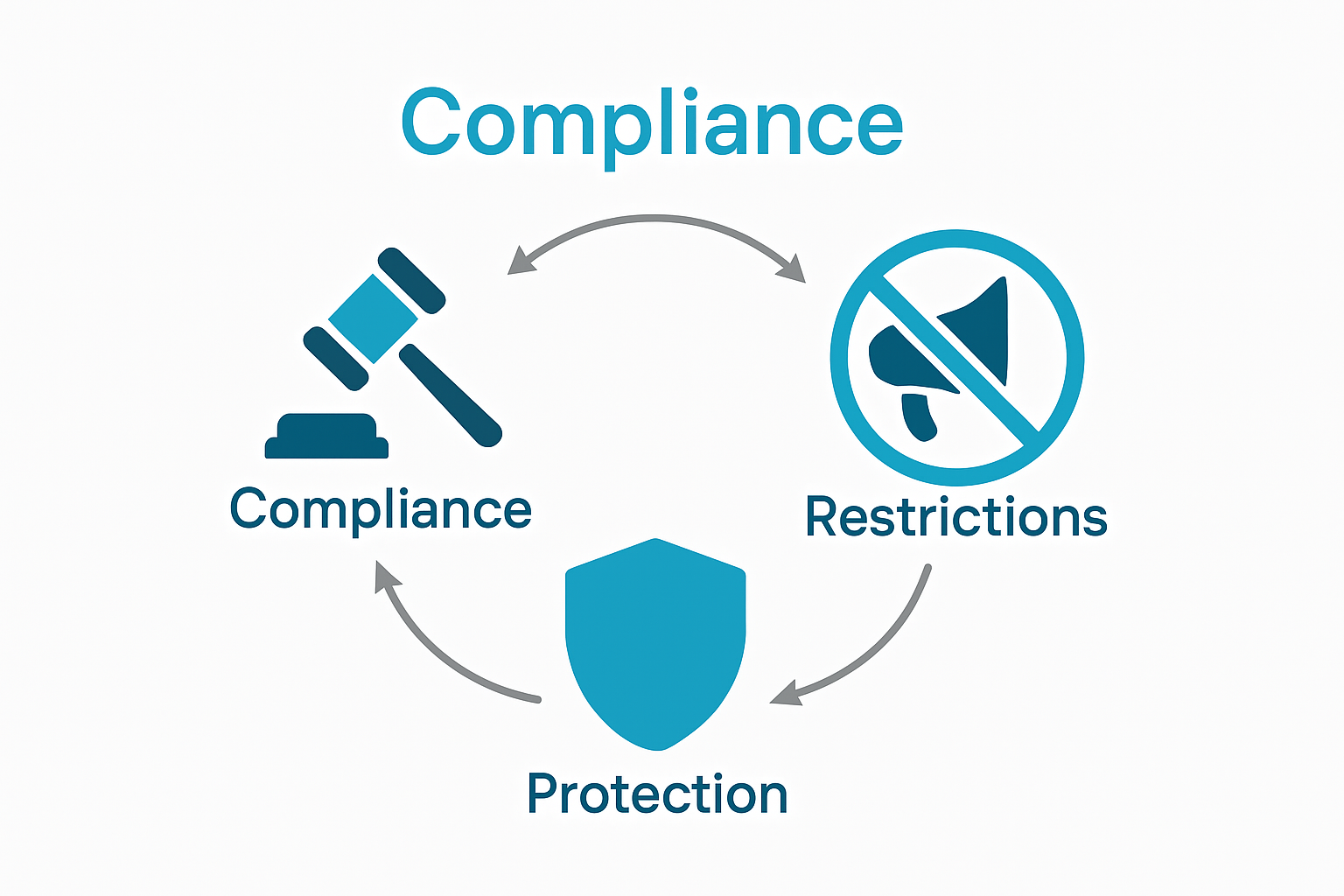
Affiliate marketers must develop sophisticated strategies to navigate platform-specific regulations. Social media platforms like Facebook and Instagram impose particularly strict guidelines on CBD product marketing, often requiring nuanced approaches to content creation. This means avoiding explicit health claims, using carefully worded descriptions, and ensuring all marketing materials comply with platform-specific advertising policies.
Critical legal considerations for CBD affiliate marketing include:
- Verifying product THC content (must be below 0.3%)
- Avoiding medical treatment claims
- Maintaining transparent product information
- Understanding state-specific regulations
- Implementing clear age verification processes
Successful CBD affiliate marketing hinges on a delicate balance between effective promotion and strict regulatory compliance, requiring continuous education and adaptability in a rapidly evolving legal landscape.
Maximizing Benefits and Avoiding Pitfalls
Affiliate marketing in the CBD industry requires a strategic approach to maximize potential earnings while mitigating significant risks. Successfully navigating this complex landscape demands careful planning, continuous learning, and proactive risk management strategies.
Risk Mitigation is fundamental to sustainable affiliate success. Exploring risk scenarios in affiliate marketing technologies reveals the critical importance of implementing robust systems to prevent fraudulent activities and protect both brands and marketers. Potential pitfalls include inaccurate tracking, commission disputes, compliance violations, and potential legal challenges that can undermine an affiliate’s credibility and earning potential.
Effective affiliate marketers in the CBD space must develop sophisticated analytical approaches to assess and optimize their marketing strategies. Dynamic network-based forecasting techniques can help affiliates understand their promotional contributions, allowing for more precise targeting and performance optimization. This involves continuously analyzing conversion rates, understanding audience demographics, and refining marketing approaches to maximize engagement and revenue.
Key strategies for maximizing CBD affiliate marketing benefits include:
- Developing comprehensive product knowledge
- Maintaining strict compliance with legal regulations
- Implementing advanced tracking and analytics
- Diversifying promotional channels
- Building authentic audience relationships
- Continuously updating marketing techniques
Successful CBD affiliate marketing is not about quick wins, but about building sustainable, trust-based relationships with audiences through consistent, transparent, and value-driven content strategies.
Empower Your CBD Journey with Trusted Affiliate Brands and Premium Hemp Products
The article highlights the challenges of navigating CBD marketing with transparency and compliance while building consumer trust. If you are looking to promote products or recommend safer, legal, and effective options in the growing CBD market, understanding affiliate brand strategies and reliable product sources is critical. Full Moons Club offers a premium selection of organic, tobacco-free CBD smokes designed to meet wellness goals without compromising on legal safety or quality.

Explore our carefully crafted CBD Cigarettes, Lighters & Totes for Sale - Full Moons Club to experience the smooth, chemical-free hemp smoking alternative that resonates with thoughtful consumers. Ready to elevate your affiliate marketing or personal wellness routine with trusted, transparent products? Visit Full Moons Club and browse our full range of Products! – Full Moons Club now. Act today for a healthier, credible approach to CBD enjoyment and promotion.
Frequently Asked Questions
What is affiliate marketing in the CBD industry?
Affiliate marketing in the CBD industry involves independent publishers, such as bloggers and influencers, promoting hemp and cannabinoid products for commission. These affiliates help drive product visibility and generate sales through unique tracking links and promotional codes.
How do affiliates earn commissions in the CBD market?
Affiliates earn commissions through structured partnership models, typically receiving a percentage of each sale they generate, often ranging from 10% to 30%. Additionally, some may earn flat fees for specific actions, like newsletter sign-ups or product trials, under Cost Per Action (CPA) agreements.
What are the key characteristics of successful CBD affiliate brands?
Successful CBD affiliate brands feature transparent commission structures, high-quality product information, strong legal compliance with marketing guidelines, clear communication with affiliates, and effective tracking and reporting systems to measure performance.
How can affiliate brands build consumer trust in the CBD market?
Affiliate brands can build consumer trust by providing comprehensive product information, maintaining transparency about product origins, offering unbiased reviews, sharing lab testing results, and committing to consumer education. Transparency in marketing practices is vital for establishing credibility.
