

The Ultimate Guide to Using CBD for Stress Relief
Introduction to CBD as a Stress-Relieving Option
Have you ever felt tightness in your chest before a big meeting or noticed how a surge of deadlines can hijack your day? Stress is a modern-day epidemic, and many are turning to innovative solutions to regain a sense of calm. One increasingly popular natural option gaining attention involves the use of cannabidiol, or CBD. It’s quietly making its way into daily routines by offering potential calming effects without the intoxicating high associated with THC.
Why CBD Is on the Rise for Stress Relief
Statistics show that nearly half of CBD users in the U.S. report using the compound to manage both anxiety and stress, reinforcing its widespread appeal among those seeking tranquility in hectic lives Statista (April 2022). In addition, broader surveys indicate that among respondents using CBD, nearly 49% cite stress and anxiety as their motivation, suggesting it is one of the leading reasons for use today Neurogan (2025).
These figures illustrate that countless individuals are exploring CBD as a way to soften stressors—whether it's juggling work commitments, managing family demands, or coping with uncertainty. The appeal comes not just from anecdotal reports but also from emerging clinical evidence.
What Science Suggests: Real Effects and Expectations
Studies exploring the effects of CBD under laboratory conditions provide a window into how it may influence stress responses. In a randomized crossover study, individuals who believed they ingested CBD experienced changes in heart rate variability—a physiological marker of stress regulation—compared to those who were told they hadn’t taken CBD, revealing the complex interplay between expectations and actual effects PubMed (2021).
Moreover, clinical trials examining full-spectrum, high-CBD formulations show promising results. One four-week study involving adults with moderate-to-severe anxiety demonstrated significant reductions in anxiety scores, alongside improvements in mood, sleep quality, and executive function—often within the first week of use—and with minimal side effects reported PubMed (2022). Although these trials focus on anxiety—which often overlaps with stress for many people—the outcomes signal potential real-world applications in everyday stress management.
Together, these statistics and early clinical findings set the foundation for an informed discussion of how CBD can fit into a broader strategy for reducing stress. By approaching this topic with both consumer insight and scientific context, readers gain a clearer picture of where CBD may genuinely help—and where further evidence is still needed.
How Research and Real-World Insights Illustrate Practical Uses
Building on earlier context, it’s valuable to explore how research and firsthand accounts illuminate practical uses of CBD in everyday life. One study compared two common THC-free tinctures—an isolate oil and a broad-spectrum product—used over 30- or 60-day periods. Participants rated both highly in helping manage stress, though the broad-spectrum product scored significantly better in effectiveness and stress reduction (p < 0.001), while the isolate had better taste and initial overall impression in short-term use (p < 0.05) (PubMed).
Survey data from over 380 CBD users offer additional nuance. Many cited managing self-perceived stress, anxiety, and sleep issues—often at low daily doses under 50 mg via sublingual delivery. Perceived effectiveness varied by demographics: women were more likely than men to use CBD for anxiety and sleep, while older adults reported using it less for stress but more for pain relief (PubMed).
Expanding to preclinical models, a recent animal study demonstrated that CBD helped reverse social avoidance behaviors and reduced vulnerability to the rewarding effects of cocaine after social stress. While anxiety-like behaviors remained unchanged, the findings suggest specific domains—like social engagement and drug-related sensitivity—might benefit from CBD interventions (Forbes report).
Looking ahead, several clinical trials are underway targeting common stress- and anxiety-related challenges. One study is exploring whether a low 150 mg oral dose prior to virtual-reality stress tasks (like public speaking and a rollercoaster ride) can reduce subjective stress, physiological responses, and nausea (PubMed). Another trial combines CBD with cognitive behavioral therapy for generalized anxiety disorder, employing fMRI imaging to observe how treatment modulates brain regions tied to emotional regulation (Clinical Trials Registry).
These examples underscore the reality that people are already integrating cannabidiol thoughtfully into stress relief strategies—from using market-available tinctures and reporting personal effects, to more rigorous study designs that probe both subjective and physiological outcomes. By blending consumer behavior and emerging clinical insights, we gain actionable understanding of how CBD for stress relief may best be positioned within broader wellness practices.
Exploring Evidence and Real-World Applications
Building on earlier discussion of how CBD interacts with the body's stress systems, this section examines clinical findings and real-world insights that illustrate its role in promoting calm and resilience. Understanding both self-reported experiences and controlled trial results offers a nuanced picture of its potential in supporting mental and emotional well‑being.
Self‑Reported Benefits in Everyday Use
In a recent online survey of 267 CBD users, an impressive 65.3% cited stress relief as a primary motivation for use, and nearly 70% considered CBD effective for that purpose PubMed. Another study of 387 participants found that 37% used CBD to manage stress, with most reporting positive outcomes PubMed. These consistent self-reports reflect a growing public perception of CBD as a natural tool for stress relief.
Clinical and Comparative Findings
In a quasi-experimental study involving 374 participants, both CBD isolate and broad-spectrum tinctures demonstrated stress‑management benefits, though users rated the broad-spectrum product as significantly more effective (p < 0.001) PubMed. This may suggest an entourage effect where multiple cannabinoids and compounds synergize for greater impact.
Further, small clinical trials have revealed promising outcomes: one 6-week open‑label pilot trial with a full‑spectrum, high‑CBD product (approximately 30 mg/day) showed substantial reductions in anxiety alongside mood, sleep, and quality-of-life improvements, with minimal side effects PubMed. Even more compelling, another 4-week trial reported that 100% of participants achieved clinically significant anxiety relief (≥15% symptom reduction), as early as week one, maintaining those results through week three, without serious adverse events PubMed. These findings underscore how even low-to-moderate dosing of full-spectrum CBD may support stress and anxiety mitigation.
Considerations for Consumers and Practitioners
- Real-user data suggests many choose CBD for stress; approximately two-thirds of users report perceived effectiveness, though formal efficacy remains to be confirmed in larger trials.
- Broader-spectrum formulations may offer enhanced stress reduction compared to isolates, potentially thanks to synergistic components.
- Early clinical evidence supports modest dosing (e.g., 30 mg/day) of high-CBD, full‑spectrum products as well‑tolerated and effective for anxiety‑related symptoms.
Taken together, these insights paint a picture in which practical use and preliminary clinical results align, offering actionable guidance: individuals seeking stress relief might consider a well‑formulated, full‑spectrum product with careful dose escalation and attention to quality. While findings are encouraging, more rigorous, large-scale, placebo-controlled studies are essential to establish definitive guidelines—but current evidence highlights tangible, real-world potential for those exploring cbd for stress relief.
Real-World Outcomes and Clinical Insights
Continuing from the previous discussion, it's helpful to examine how clinical-practice observations and real‑world usage inform our understanding—especially when considering a well‑formulated product and carefully managed dosing. One open-label pilot trial involving 12 participants with moderate-to-severe anxiety showed that six weeks of treatment with a full‑spectrum high‑CBD sublingual solution (approximately 30 mg/day) resulted in significant reductions in anxiety, while mood, sleep, and overall quality of life improved and cognitive performance remained stable or even enhanced. Importantly, the product was well tolerated with minimal side effects reported (PubMed, 2025).
Further corroboration emerges from a retrospective chart review of 103 adult patients who used CBD adjunctively in a psychiatric clinic. Within one month, 79% experienced measurable reductions in anxiety, and two-thirds saw improvements in sleep quality. The intervention was generally well tolerated, suggesting practical benefits in clinical settings (PubMed, 2019).
Beyond formal trials, large-scale review evidence highlights that over seven double‑blind, placebo‑controlled clinical trials involving 232 participants, plus a partially controlled study with 120 subjects, consistently demonstrated CBD’s capacity to reduce the stress response. In many cases, outcomes were comparable to pharmaceutical alternatives in alleviating anxiety, fear, depression, and burnout—with mechanisms grounded in endocannabinoid modulation and serotonin receptor activity (PubMed, 2025).
Product Selection and Differentiating Effects
On a pragmatic level, real-world evaluations show that broad‑spectrum CBD oils—lacking THC—were rated more effective at stress relief compared to isolate-based products. One quasi‑experimental study of 374 participants revealed that users reported significantly greater stress reduction with broad‑spectrum formulations, though taste preferences sometimes favored isolates (PubMed, 2025).
These findings reinforce that thoughtful product selection—including considering spectrum type—can influence outcomes. Individuals navigating cbd for stress relief may benefit from starting with broad‑spectrum products, carefully monitoring response, and adjusting dosage rhythms accordingly. When quality and formulation align with evidence-based dosing, outcomes may significantly improve.
- Full‑spectrum high‑CBD products (around 30 mg/day) showed measurable anxiety relief in clinical use.
- Retrospective patient data suggest widespread improvements in anxiety and sleep within a month.
- Broad‑spectrum formulations may offer more consistent stress relief than isolates, based on user-reported effectiveness.
Altogether, such real‑world and clinical insights—especially when paired with high‑quality formulations—can guide individuals toward more predictable and meaningful outcomes on their wellness journey.
Conclusion: Embracing CBD for Stress Relief
Incorporating CBD into your routine for stress relief can be a promising strategy, especially in today’s fast-paced world. This naturally derived compound, known for its calming properties, offers an alternative or a complementary approach to traditional stress management techniques. It's crucial to consider your lifestyle, health conditions, and preferences when integrating CBD into your wellness plan. Tailoring its use to your specific circumstances can optimize the benefits.
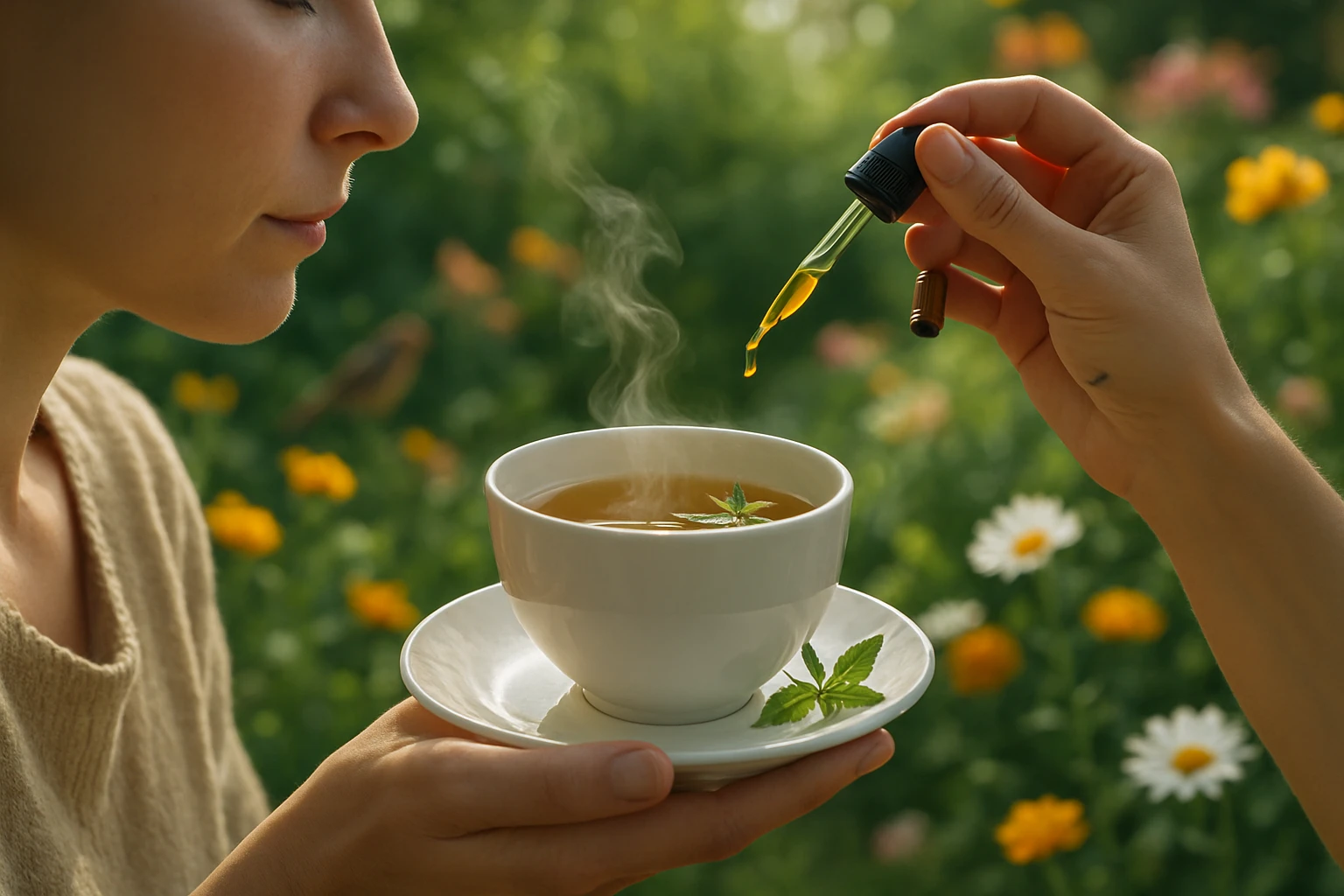
For example, those who find solace in nature might enjoy using CBD during outdoor activities, as illustrated by individuals savoring herbal tea infused with CBD oil in tranquil settings. Such experiences not only alleviate stress but also enhance overall well-being through mindfulness and connection with nature. Furthermore, scientific research supports the anxiety-reducing effects of CBD. A study published by JAMA Psychiatry highlights significant reductions in anxiety patterns among participants using CBD.
Actionable Insights for Users
If you're considering CBD for stress relief, start by consulting with healthcare professionals to ensure it aligns with your health goals. Begin with low dosages to gauge your body's response before gradually increasing the amount. Opt for reputable brands that offer transparency regarding their product testing and sourcing. This can help in avoiding potential contaminants and ensuring you're using a safe, effective product.
- Choose high-quality CBD products: Confirm product legitimacy by checking for third-party lab testing results and reliable certifications.
- Integrate into daily routine: Use CBD consistently at the same time each day to maintain stable levels in your system and observe noticeable effects.
- Combine with mindfulness practices: Engage in activities like yoga or meditation while using CBD to amplify relaxation benefits.
The growing body of research and anecdotal evidence suggests that CBD offers a viable option for stress reduction. According to the National Center for Biotechnology Information, CBD’s interaction with endocannabinoid receptors in the brain plays a key role in regulating mood and stress levels.
Finally, if you're ready to explore CBD for stress relief, take the first step by researching further and consulting with professionals to make an informed decision. Embrace the potential of this natural remedy and gradually discover its place in your journey towards a more balanced, stress-free life.
