

Exploring the Landscape of Federally Legal Hemp in the US
Introduction
Imagine a thriving agricultural sector that surged almost overnight, only to face a shifting regulatory landscape that threatens its very foundation. That is the current scenario for hemp in America, where innovations in cultivation, consumer demand, and legal frameworks intersect in complex ways.
In the wake of the 2018 Farm Bill, hemp cultivation took off legally across the United States under tight THC limits and USDA oversight. In 2024, farmers responded with impressive gains: the U.S. hemp production value climbed by 40% to reach $445 million, fueled by a dramatic 159% increase in floral hemp output used for extraction and cannabinoid-based products
Feed & Grain, and corroborated by USDA’s NASS data via MJBizDaily
At the same time, the industry navigates a precarious legal environment. Lawmakers and regulators are tightening controls on intoxicating hemp-derived cannabinoids, aiming to close loopholes that emerged under the original framework of federal legality. Proposed legislation and court actions are targeting delta‑8 and other derivatives not explicitly addressed in the Farm Bill, even as state-level bans gain traction in places like California and Arkansas.
Reuters
This creates a dual tension: farmers are capitalizing on high-value hemp cultivation and consumer products, while suddenly facing a patchwork of evolving restrictions. Entrepreneurs must now balance innovation with compliance, adapting strategies to protect their investments and sustain growth, especially when considering interstate commerce or new product development strategies.
Turning theory into practice, this article will guide stakeholders—from cultivators to brands—through the essentials of navigating federally legal hemp, identifying emerging opportunities and preparing for the regulatory shifts that lie ahead.
Navigating the Regulatory Landscape and Real-World Market Dynamics
Here we delve into how stakeholders can confidently operate amid evolving regulations and shifting market trends. Recent USDA data reveals that U.S. industrial hemp production surged to a value of $445 million in 2024, marking a 40% year‑over‑year rise. This uptick was principally propelled by outdoor floral hemp cultivation, which accounted for $386 million in value—a staggering 159% increase in production volume compared to 2023 (USDA report, MJBizDaily).
Businesses rooted in federally legal hemp operations—particularly cultivators and processors—should leverage these statistics to justify investments in field-scale floral operations. For example, farmers can model cultivation strategies based on high yields revealed by the data, while processors might consider scaling extraction facilities or partnering with retail and wellness brands to capitalize on consumer demand.
Regulatory developments are equally critical. The 2018 Farm Bill legalized hemp under a federal THC threshold of 0.3% delta‑9 THC, but recent activity at both federal and state levels has begun to narrow that scope. Several states—California, Virginia, and Arkansas—have upheld stricter restrictions on intoxicating hemp derivatives, asserting their authority to protect public health even in the face of federal preemption (Reuters).
These legal shifts are prompting companies to diversify product lines, such as pivoting from delta‑8 or delta‑10 THC formulations to strictly compliant CBD offerings. In states that opt for tighter controls, businesses might explore alternatives like hemp‑derived fibers or food‑grade derivatives, which remain less contested regulatory terrain. Meanwhile, legislators and stakeholders are watching federal actions closely as potential new frameworks emerge to clarify the future of hemp versus cannabis products.
By grounding strategic decisions in real-world data and staying attuned to regulatory signals, stakeholders can more effectively navigate industry shifts. Investing in compliant cultivation methods, exploring robust non-intoxicating product categories, and monitoring evolving state-level frameworks are key to maintaining agile operations and long-term growth—especially when working within the federally legal hemp ecosystem.
The Role of Federally Legal Hemp in Sustainable Agriculture
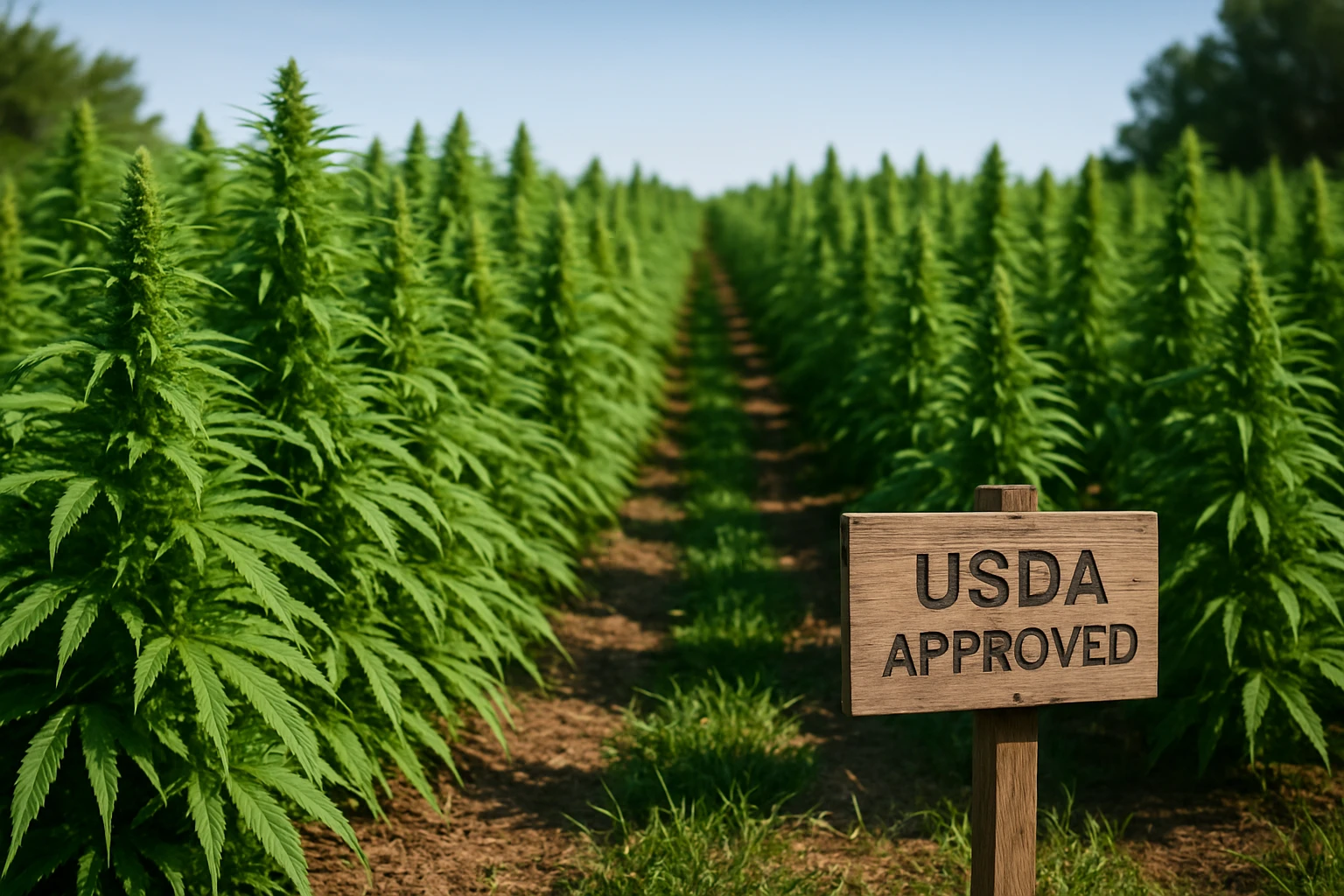
The integration of hemp into sustainable agricultural practices highlights its potential as an environmentally friendly crop. Hemp requires minimal pesticides and herbicides, making it a low-impact agricultural choice. According to research, the plant also improves soil health by replenishing nutrients and preventing erosion, which is crucial for preserving farmland [ScienceDirect].
Moreover, hemp has a unique ability to sequester carbon dioxide, contributing to reduced greenhouse gases in the atmosphere. A study conducted by the University of York found that the carbon sequestering capacity of hemp is remarkable, with up to 1.62 tons of CO2 absorbed per ton of hemp produced [University of York]. This makes hemp not only a viable crop for current farming needs but also a pivotal component in combating climate change.
Economic Opportunities and Value-Added Products
The economic benefits of federally legal hemp extend beyond its agricultural advantages. As demand for sustainable materials grows, hemp provides raw materials for various industries. For instance, its fibers are used in textiles and bioplastics, while hemp seeds are gaining popularity in health foods and skincare products. This diversification allows farmers and businesses to tap into numerous markets, thereby boosting local economies and creating jobs.
Particularly noteworthy is the burgeoning CBD industry, fueled by the legal status of hemp. CBD oil, extracted from hemp, has become a significant product, offering potential health benefits that encourage its inclusion in wellness products. This market segment is projected to reach $47 billion by 2028, illustrating a powerful revenue stream for entrepreneurs and agricultural stakeholders [Grand View Research].
Case Studies: Hemp's Successful Implementation
Several states have capitalized on the potential of federally legal hemp. For example, Kentucky has transitioned from traditional tobacco farming to hemp, revitalizing its agricultural economy. The shift not only supports local farmers but also drives innovation in the development of new hemp-based products. Similarly, Colorado has embraced hemp's versatility, with companies producing everything from eco-friendly building materials to nutritional supplements.
These case studies demonstrate that with strategic policy and industry support, hemp can thrive in the US agricultural landscape. By focusing on sustainable practices and economic diversification, states leveraging hemp are reaping benefits that extend beyond economic gains, contributing to environmental sustainability and community resilience.
Policy Adaptations and Regulatory Insights
Building on the previous discussion of economic and sustainable promise, this section explores how evolving policy landscapes are reshaping opportunities for federally legal hemp, highlighting adaptive strategies and emerging models in response to recent regulatory shifts.
Dynamic Federal Definitions and Enforcement Delays
Regulatory clarity remains an ongoing challenge. The U.S. Department of Agriculture has delayed enforcement of the requirement that hemp testing be conducted at DEA-registered laboratories until December 31, 2025, acknowledging that many growers lack access to such facilities—this affords producers vital breathing room to comply while maintaining supply chain continuity Marijuana Momentmarijuanamoment.net.
State and Tribal Plan Inconsistencies
At a more structural level, a content analysis of 69 state and tribal hemp-production plans revealed stark inconsistencies in terminology and definitions—discrepancies that complicate everything from regulatory compliance to interstate marketing and investor confidence. The study recommends that USDA standardize both the lexicon and regulatory language across all plans to foster clarity and uniformity Journal of Cannabis Researchjcannabisresearch.biomedcentral.com.
Leveraging Crop Insurance and Federal Program Access
On the support side, growers can benefit from federal programs offered through USDA agencies. For instance, the Farm Service Agency and Risk Management Agency now offer crop insurance policies for hemp varieties—fiber, grain, and CBD—in select counties across 27 states, helping producers manage risks such as adverse weather, crop loss, or market volatility USDA via Farmers.govfarmers.gov.
Strategic Next Steps for Industry Stakeholders
Producers and businesses can turn uncertainty into opportunity by advocating for clearer federal standards, especially around licensing and testing. Engaging with USDA consultations and industry advocacy groups can accelerate plan alignment and regulatory harmonization. Additionally, exploring crop insurance and risk-management coverage proactively can safeguard against potential revenue volatility. These steps complement prior examples from states already integrating hemp into agricultural diversification strategies, reinforcing resilience while aligning with evolving legal norms.
While regulatory ambiguity persists, these adaptive tools and proactive policy engagement strategies equip stakeholders to navigate transitions thoughtfully, promoting a more sustainable and unified path forward.
Conclusion
As we've explored the multifaceted landscape of federally legal hemp, it is clear that this versatile crop holds tremendous potential for both economic growth and sustainable practices. From agriculture to industry, hemp's benefits span numerous sectors, offering environmentally friendly alternatives and stimulating local economies. The implications of its legalization are profound, influencing everything from textiles to biofuels.
For businesses and entrepreneurs, the diverse applications of hemp provide abundant opportunities. Whether you're considering entering the market as a producer or developing hemp-based products, there are tangible benefits to be seized. For instance, using hemp in building materials can significantly reduce environmental impact, while the nutritional advantages of hemp seeds and oil offer innovative options in the food industry. These real-world applications underscore hemp's role in creating a more sustainable future.
Consumers, too, can contribute to this evolving ecosystem by opting for hemp-based products, which often have a lower carbon footprint and less reliance on harmful chemicals compared to traditional options. By supporting hemp businesses, individuals not only make environmentally conscious choices but also help drive demand for sustainable goods, further encouraging industry growth and investment.
Key to harnessing these benefits is staying informed and engaged with the latest developments and trends. The hemp industry is rapidly evolving, driven by ongoing research and legislative changes. For instance, understanding the impact of the 2018 Farm Bill on hemp cultivation and industry regulations is vital for both producers and consumers. This legislation has been a game-changer, opening new avenues and ensuring quality standards within the industry.
Finally, as you consider integrating hemp into your business models or lifestyle, taking proactive steps—such as researching consumer preferences, exploring new market segments, and advocating for hemp education—can help maximize potential benefits. By embracing the shift towards hemp-based solutions, we can all play a role in fostering a more sustainable and economically vibrant future.
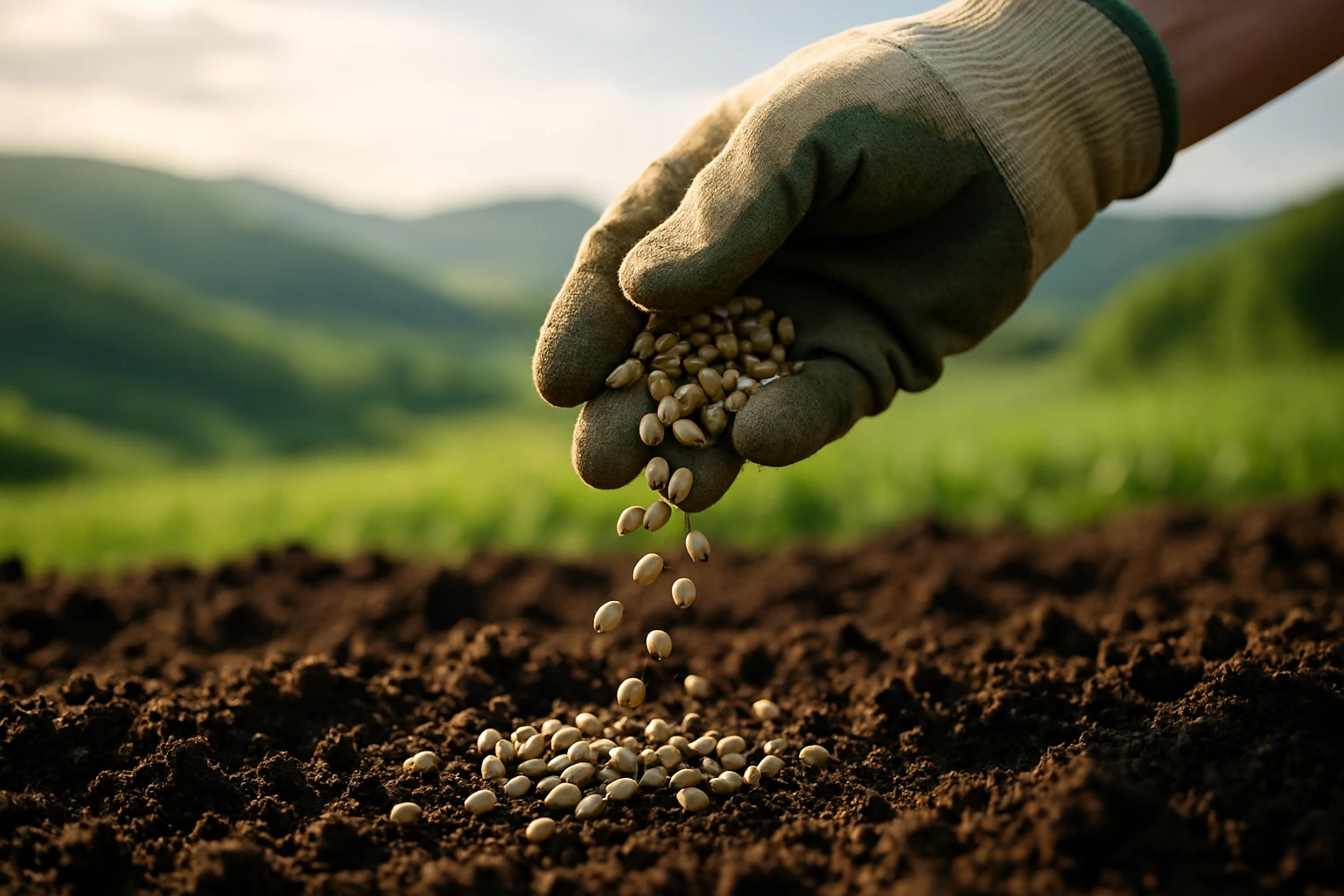
Embrace the possibilities that federally legal hemp offers. Stay informed, explore innovative applications, and be a part of the movement toward a greener future. Together, we can cultivate a world where hemp turns challenges into opportunities—a crop that literally and figuratively plants the seeds of change.
