

Unlocking the Benefits of CBD Cigarettes: A Comprehensive Guide
Introduction: Exploring Real-World Value Through Practical Benefits
Imagine discovering a smoking alternative that delivers a rapid, calming effect without introducing nicotine’s well-known risks. Consumers increasingly turn to hemp-infused options and find that there’s more than novelty at stake—there are tangible advantages rooted in both early clinical findings and real-world experiences. This article begins by laying out what sets this product apart and why interest is growing, setting the stage for deeper exploration in subsequent sections.
Context That Matters
As awareness around cannabis derivatives grows, CBD-infused smokeables offer fast onset relief for stress or tension. These products—designed to hold negligible levels of psychoactive THC—provide a ritual familiar to traditional smokers but with potentially different outcomes. Numerous users report that the familiar hand-to-mouth action paired with hemp smoke helps calm nerves or ease tension, especially during tense moments or breaks.
Grounded Research Highlights
One controlled study involving smokers who used a CBD inhaler observed a striking reduction—nearly 40%—in cigarette consumption over the treatment period, with some individuals maintaining reduced smoking weeks later PubMed Clinical Trial. Additionally, laboratory research shows that a single dose of oral CBD changed brain responses to cigarette-related cues, reducing their psychological appeal among overnight-abstinent smokers Addiction Journal Study. These preliminary findings hint at ways this product may support behavioral shifts in habitual smoking.
Why This Approach is Gaining Traction
So why are these potential effects compelling? For many, it’s the combination of sensory familiarity, convenience, and low-risk profile. Without nicotine’s addictive grip, users may leverage the ritual of smoking to address cravings or anxiety without perpetuating dependency. With early research showing decreased tobacco use and lowered attentional pull toward cigarette stimuli, the approach may serve as a bridge toward reduced reliance on nicotine.
Looking Ahead with Insight
This introduction frames the potential of products designed to combine sensory ritual with hemp-derived compounds. Later sections will examine concrete benefits—such as reduced nicotine intake, psychological effects, and safer chemical profiles—comparing clinical data with user testimonials. By viewing this option through both scientific and practical lenses, readers gain a balanced, insightful foundation for informed decisions.
Within this narrative, you’ll encounter a smooth blend of research-backed findings and real-world scenarios, illuminating how emerging alternatives can influence daily habits and well-being.
Potential Health-Related Applications of CBD Cigarettes
Smoking Reduction and Nicotine Cessation
Many individuals struggling to quit nicotine find transitioning easier when substituting traditional cigarettes with smoked CBD alternatives. For instance, a pilot randomized, double‑blind placebo‑controlled study reported that smokers who used a CBD inhaler when cravings hit reduced their cigarette consumption by nearly 40% over just one week—a significant, actionable reduction for many users PubMed study. Another human experimental study found that an oral dose of CBD significantly reduced the attentional salience and pleasantness of cigarette-related cues, potentially diminishing automatic smoking impulses—a useful cognitive shift supporting cessation efforts PMC study. These findings suggest a compelling application of CBD cigarettes in smoking cessation strategies, especially for those seeking behavioral alternatives without nicotine.
Adjunctive Support in Mental Health Contexts
Emerging research indicates that smoked CBD may play a supportive role in managing certain psychiatric conditions. A case report detailed how a patient with schizophrenia and co-occurring cannabis and cocaine use disorders significantly reduced cravings for illicit high‑THC products after using low‑THC (<1%) CBD cigarettes, supporting abstinence and decreasing hospitalization frequency PubMed case report. Although limited to a single case, it highlights practical, real‑world benefits in complex clinical scenarios where traditional interventions fall short.
Safety Considerations and Respiratory Risks
While CBD cigarettes lack nicotine and may avoid tobacco‑specific carcinogens, combustion still produces harmful byproducts. A comparative analysis demonstrated that hemp‑based cigarettes emit carbonyl compounds—including formaldehyde and acetaldehyde—at biologically significant levels; although some brands produce lower concentrations than tobacco cigarettes, risks remain and need balancing against potential benefits PubMed carbonyl study. Likewise, inhalation of CBD via e‑cigarettes has demonstrated cytotoxic and pro‑inflammatory effects in bronchial epithelial cells—particularly when flavored—underscoring the necessity for caution, especially among those with pre-existing respiratory conditions PMC toxicity study.
Balancing Evidence with User Experience
Consumers often cite stress relief, improved sleep, and mood enhancement as motivators for using CBD products. A cross‑sectional survey found that respondents frequently used CBD to manage stress (65%), improve sleep (52%), enhance well‑being (53%), and reduce anxiety (41%) PubMed survey. Although this data reflects broader CBD use, smoked forms such as CBD cigarettes may offer fast onset of effects compared to oral alternatives and align with lifestyle habits of former smokers seeking therapeutic substitutes.
Overall, integrating low‑THC CBD cigarettes can serve as a niche but useful tool for smoking reduction, behavioral support in complex clinical cases, and stress management. At the same time, inhalation risks and respiratory impacts must be explicitly weighed, and users are encouraged to consult healthcare providers before incorporating them into routines.
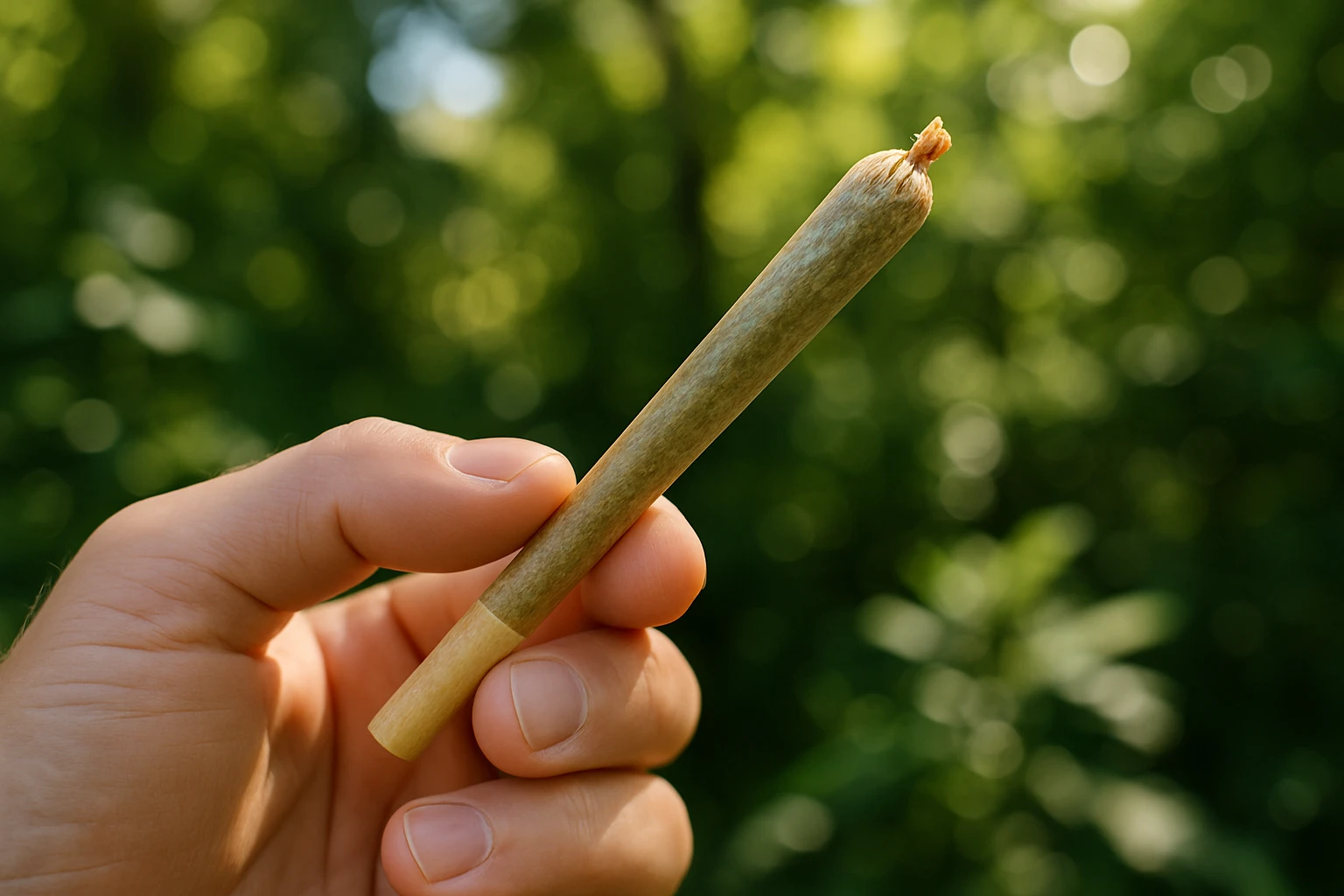
Supporting Smoking Cessation and Craving Management
Continuing the conversation on how hemp products transition from traditional smoking, CBD cigarettes offer a meaningful option for users looking to quit nicotine habits or reduce tobacco dependence. In a pilot randomized, double-blind, placebo-controlled study, individuals using a CBD inhaler when experiencing cravings reduced their cigarette consumption by approximately 40% during the treatment week—while the placebo group showed no change. Notably, some users maintained lower cigarette use even after the treatment period ended Beckley Foundation study.
Another compelling insight arises from laboratory evidence that a single 800 mg oral dose of cannabidiol can diminish attentional bias toward cigarette-related cues, making smokers less automatically drawn to visual or sensory triggers associated with tobacco. Although craving and withdrawal levels were not significantly altered, the shift in cue salience suggests a useful mechanism by which these products may support cessation strategies Addiction journal study.
Moreover, vaping CBD may offer anxiety relief during nicotine abstinence. In a small open-label crossover study, 320 mg of oral CBD reduced both nicotine withdrawal severity and state anxiety during a brief e-cigarette abstinence period, suggesting that CBD can ease uncomfortable symptoms when users attempt to pause or end vaping habits PubMed study.
Real-World Application: Behavioral Support
- Using a CBD cigarette or inhaler as an on-demand tool when cravings arise can replicate the familiar hand-to-mouth motion and provide a calming effect without nicotine.
- Pairing CBD use with behavioral techniques—such as delaying a cigarette, deep breathing, or substituting with CBD—can be a practical strategy to manage triggers.
- Clinicians and cessation coaches may consider incorporating CBD products as adjunct tools within a broader quit plan, especially for smokers who struggle with habitual cues or anxiety-related relapse risks.
It's worth noting that while early evidence supports the promise of benefits of cbd cigarettes for smoking cessation and craving modulation, these findings are preliminary. Larger clinical trials are necessary to fully understand effective dosages, delivery methods, and long-term outcomes.
Understanding Safety Considerations
As the article transitions from discussing potential therapeutic applications, it's imperative to delve into the safety landscape surrounding CBD cigarettes. While many users highlight perceived benefits, it's essential to balance expectations with credible scientific insights to make well-informed decisions.
Respiratory Risks and Combustion Byproducts
Any form of smoking inherently introduces combustion byproducts into the lungs. For example, hemp-based cigarettes—often marketed as lower-risk alternatives—still emit harmful carbonyl compounds like formaldehyde, acetaldehyde, and acrolein upon combustion. A comparative study found hemp cigarettes produce lower carbonyl levels per puff than tobacco cigarettes, though total exposure per cigarette remains significant, underscoring that they are not risk-free alternatives PubMed.
Vaping CBD Versus Smoking
While some users gravitate toward vaping as a perceived safer option, recent preclinical research indicates acute inhalation of CBD aerosols may provoke more severe lung inflammation, oxidative stress, and immune disruption than nicotine aerosols. These findings illustrate that vaping CBD is not synonymous with safety and may pose its own unique pulmonary risks Roswell Park Comprehensive Cancer Center and PubMed Central.
Regulatory Gaps and Product Quality
Another concern is the inconsistent regulation surrounding CBD products. The FDA has flagged potential adverse effects such as liver injury, changes in mood, interference with other medications, and gastrointestinal issues—including drowsiness and appetite shifts—as associated with CBD use Medical News Today. In addition, labeling inaccuracies and contamination risks are common due to the lack of uniform industry standards.
Contextualizing the Benefits
Having considered these safety factors, the value of CBD cigarettes should be viewed through a lens of cautious optimism. Users should compare potential advantages—such as stress reduction or smoking cessation support—with the documented respiratory and systemic risks. This is especially true for individuals with preexisting conditions like asthma or cardiovascular concerns.
Actionable Guidance for Consumers
- Choose products from reputable brands that publish third-party lab results.
- Consider consulting healthcare providers before use—especially if on prescription medications.
- If respiratory safety is a primary concern, exploring alternative delivery methods like tinctures or edibles may be more prudent.
This balanced exploration helps readers assess the benefits of cbd cigarettes in the broader context of safety, regulation, and health-awareness. With informed decisions, users can better weigh perceived therapeutic value against potential harm.

Conclusion: Embracing the Benefits of CBD Cigarettes
As awareness of the benefits of CBD cigarettes continues to grow, individuals are beginning to see them as a promising alternative for managing stress and promoting relaxation. The transition from traditional tobacco products to CBD cigarettes can provide a holistic approach to wellness, potentially reducing the health risks associated with smoking tobacco.
Incorporating CBD cigarettes into a wellness routine may offer an array of potential advantages, such as mood enhancement and stress relief. For those who enjoy smoking as a ritual, CBD cigarettes can serve as a satisfying substitute without the adverse effects of nicotine and tar. Research has suggested that CBD may also assist in reducing nicotine cravings, which can be particularly beneficial for those looking to quit smoking traditional cigarettes according to a study by the National Institutes of Health.
Moreover, CBD cigarettes have been praised for their accessibility and convenience. With an increase in availability across physical and online stores, more people have the option to explore how CBD can fit into their lifestyle. This increased access, coupled with growing consumer awareness, positions CBD cigarettes as an attractive choice for health-conscious individuals seeking alternatives to traditional smoking as reported by Health Europa.
For consumers eager to explore these benefits, it’s advisable to approach with a well-informed perspective. Researching product quality and sourcing options can ensure a safer experience. Look for brands that emphasize purity, transparency, and utilize third-party testing to confirm product integrity. Engaging with communities and forums can also provide insights from others' experiences, enhancing overall understanding and satisfaction.
Ultimately, embracing CBD cigarettes could be a step toward improved wellness and relaxation in a fast-paced world. For those interested, consider starting with small, controlled experiments to observe how CBD interacts with your body. Armed with knowledge and an openness to explore, the potential positive impact of incorporating CBD cigarettes into your routine could be significant.
Take action today by exploring reputable brands and educating yourself on the myriad of ways CBD could enrich your life. Whether it's for relaxation or as a part of a journey toward quitting tobacco, the benefits of CBD cigarettes offer an opportunity for transformative change.
