

Role of Packaging in CBD – Protecting Quality and Trust
Most American consumers do not realize that nearly 60 percent of CBD product recalls stem from packaging failures. With the booming demand for hemp-derived products, both safety and trust are on the line every time you pick up a bottle or jar. Understanding why CBD packaging is far more than an afterthought can help you protect product quality, ensure regulatory compliance, and choose brands that truly prioritize transparency and consumer well-being.
Table of Contents
- What Is CBD Packaging and Why It Matters
- Types of Packaging for CBD Products
- Regulations and Labeling for CBD Packaging
- Sustainability and Eco-Friendly Packaging Options
- Impact of Packaging on Product Safety and Shelf Life
- Avoiding Common Mistakes in CBD Product Packaging
Key Takeaways
| Point | Details |
|---|---|
| Importance of Packaging | CBD packaging protects product quality, ensures consumer safety, and enhances brand integrity through effective design. |
| Regulatory Compliance | Packaging must adhere to stringent regulations, including accurate labeling and tamper-evident features to guarantee consumer trust. |
| Sustainability Focus | Eco-friendly packaging materials are increasingly demanded, promoting sustainability and appealing to health-conscious consumers. |
| Impact on Safety and Quality | Proper packaging preserves cannabinoid potency and prevents contamination, essential for maintaining product effectiveness and consumer confidence. |
What Is CBD Packaging and Why It Matters
CBD packaging represents more than just a container for your favorite hemp products - it’s a critical shield protecting product quality, consumer safety, and brand integrity. When done right, packaging preserves the delicate cannabinoid compounds, prevents contamination, and communicates essential product information that helps consumers make informed choices.
At its core, effective CBD packaging serves multiple crucial functions. Product safety standards require tamper-evident designs that maintain the integrity of the hemp-derived contents. This means creating barriers against moisture, light, and oxygen that can degrade cannabinoid potency. High-quality packaging uses specialized materials that block UV rays and maintain consistent temperature ranges, ensuring the CBD remains stable and effective from production to consumption.
Regulatory compliance is another critical aspect of CBD packaging. Hemp product manufacturers must adhere to stringent labeling requirements that provide transparent information about cannabinoid content, THC levels, batch testing results, and potential health considerations. Proper packaging includes clear, scannable barcodes linking to comprehensive laboratory reports, allowing consumers to verify product purity and potency with a simple smartphone scan. This transparency builds trust and demonstrates a commitment to quality in an industry where consumer confidence is paramount.
Beyond technical specifications, packaging communicates a brand’s values and commitment to consumer wellness. Eco-friendly materials, minimalist designs, and clear educational information transform packaging from a mere protective shell into a powerful communication tool. For health-conscious consumers seeking natural alternatives, packaging that emphasizes sustainability, organic sourcing, and scientific rigor becomes an extension of the product’s overall promise of quality and care.
Types of Packaging for CBD Products
CBD products require specialized packaging that goes far beyond simple containment. Consumer safety regulations mandate sophisticated packaging solutions that protect both the product’s integrity and the end user. Different CBD product types demand unique packaging approaches, each designed to address specific preservation, transportation, and regulatory requirements.
For smokable hemp products like CBD cigarettes, packaging must be robust and moisture-resistant. These containers typically feature child-resistant mechanisms, hermetic seals, and protective materials that shield delicate hemp herbs from environmental degradation. Aluminum-lined pouches with resealable zip closures are particularly popular, offering optimal protection against humidity, light, and oxygen exposure that could compromise cannabinoid quality. Types of CBD products often dictate specialized packaging approaches, with each format requiring nuanced protective strategies.
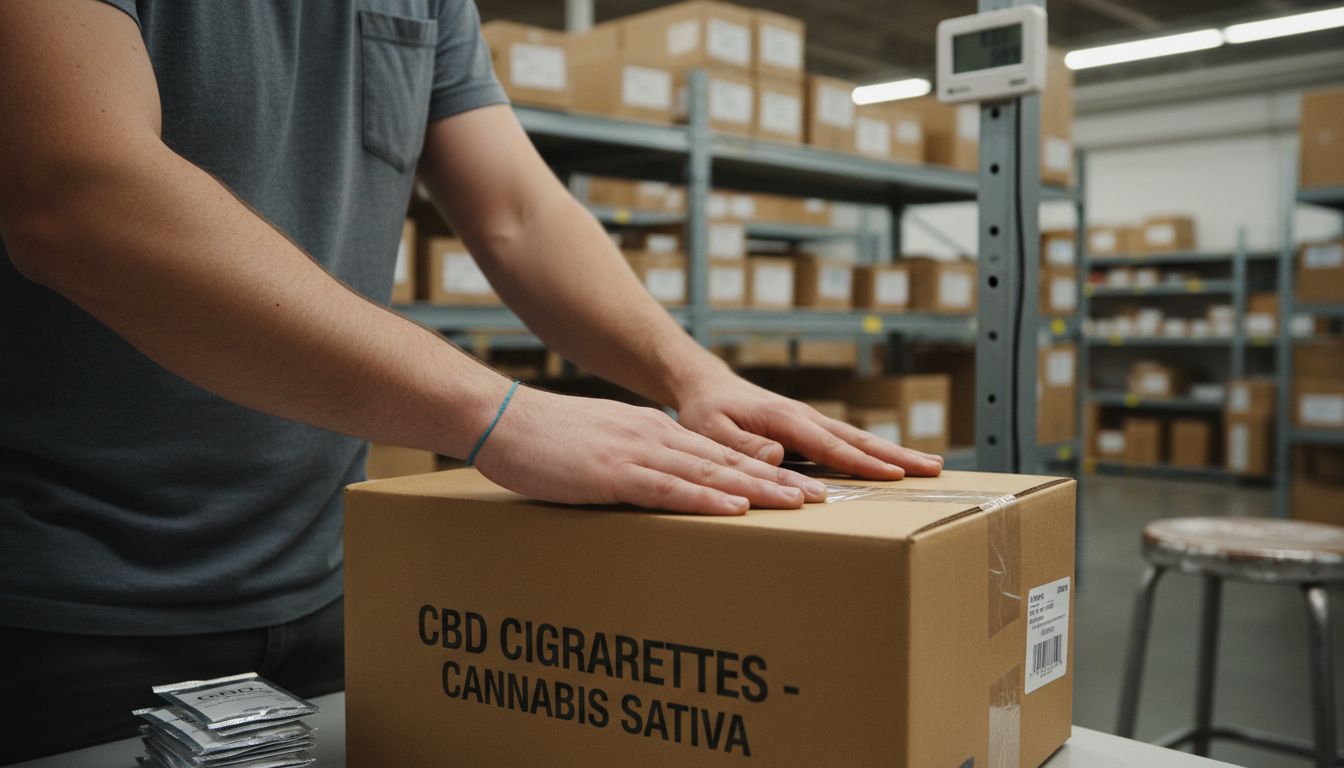
The packaging landscape for CBD products encompasses several critical design elements. Tamper-evident seals, clear THC content labeling, and barcode systems that enable product traceability are now standard industry requirements. Some manufacturers are elevating packaging design by incorporating QR codes that link directly to comprehensive lab testing reports, providing unprecedented transparency for health-conscious consumers. Eco-friendly materials like recyclable cardboard, biodegradable plastics, and minimalist designs are becoming increasingly prevalent, reflecting a growing consumer demand for sustainable packaging solutions.
Beyond physical protection, packaging serves as a crucial communication tool for CBD brands. Color schemes, typography, and graphical elements can convey product quality, wellness philosophy, and brand identity. Premium CBD products often utilize matte finishes, earthy color palettes, and clean, scientific design languages that reinforce perceptions of purity and professional manufacturing standards. The packaging becomes more than a container - it’s a visual representation of the brand’s commitment to quality, safety, and consumer wellness.
Regulations and Labeling for CBD Packaging
CBD packaging regulations represent a complex landscape of legal requirements designed to protect consumer safety and ensure product transparency. Federal oversight of cannabis-derived products demands rigorous compliance, with manufacturers facing strict guidelines about what information must be communicated on product packaging.
State-level regulations mandate comprehensive labeling standards that go beyond basic product descriptions. These requirements typically include detailed nutritional facts, complete ingredient lists, precise cannabinoid content measurements, and explicit health warnings. Packaging must clearly display the total CBD concentration, THC percentage, and include a batch or lot number that enables product traceability. Child-resistant mechanisms are also mandatory, ensuring that packaging protects vulnerable populations while maintaining product accessibility for intended users.
The regulatory framework for CBD packaging extends far beyond simple legal compliance. Manufacturers must navigate a nuanced landscape of federal, state, and local guidelines that can vary significantly across jurisdictions. Legal CBD standards require transparent communication about product origin, extraction methods, and potential health implications. This means packaging must not only protect the physical product but also serve as an educational tool, providing consumers with critical information about the hemp-derived contents.
Modern CBD packaging represents a delicate balance between regulatory compliance, consumer education, and brand communication. Labels must include specific health disclaimers, clearly state that the product has not been evaluated by the FDA, and avoid making unsupported therapeutic claims. Innovative brands are finding creative ways to transform these regulatory requirements into opportunities for building consumer trust, using packaging design to demonstrate commitment to transparency, quality, and consumer wellness.
Sustainability and Eco-Friendly Packaging Options
Sustainable packaging is transforming the CBD industry, reflecting a growing consumer demand for environmentally responsible products. Regulatory guidelines increasingly encourage manufacturers to adopt eco-friendly materials and practices that minimize environmental impact while maintaining product quality and safety.
Hemp-based packaging represents a groundbreaking approach to sustainable product design. Biodegradable materials derived from hemp fibers offer a unique closed-loop solution, creating packaging that is not only recyclable but potentially compostable. These innovative materials can break down naturally, reducing long-term waste and leveraging the inherent sustainability of the hemp plant itself. Sustainable smoking practices demonstrate how environmentally conscious choices can be integrated into product development, from raw material selection to final packaging design.
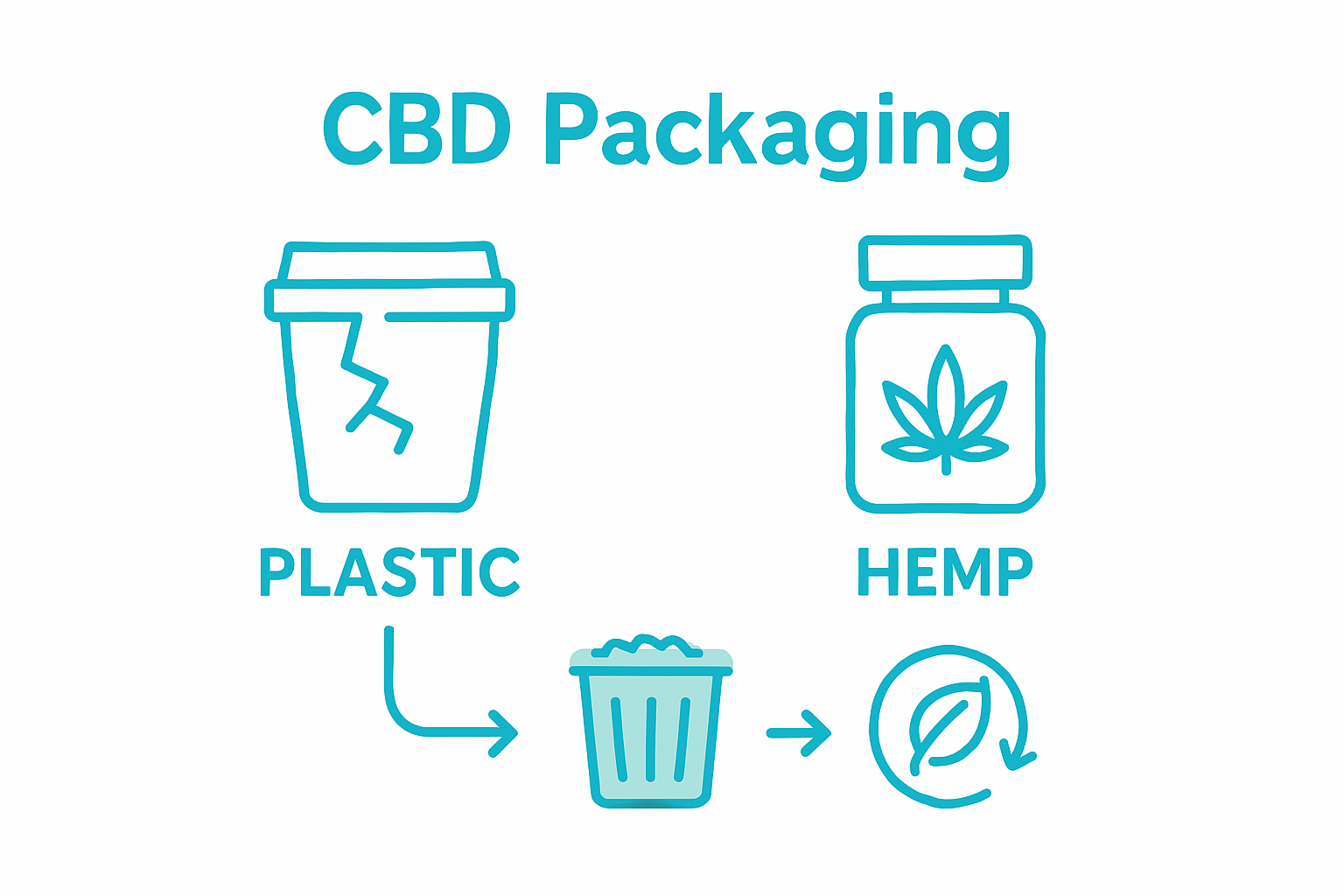
Manufacturers are exploring multiple strategies to reduce packaging environmental footprint. Options include using recycled cardboard, developing plant-based plastic alternatives, implementing minimalist design principles that reduce material consumption, and creating packaging with multiple-use potential. Some brands are introducing refillable containers, concentrated product formats, and packaging made from agricultural waste, effectively transforming packaging from a single-use resource to a circular economy solution.
Beyond material selection, sustainable packaging also encompasses broader environmental considerations. Brands are analyzing their entire production cycle, reducing carbon emissions during manufacturing, optimizing shipping processes, and selecting packaging that requires minimal energy to produce. This holistic approach transforms packaging from a mere protective shell into a statement of environmental responsibility, allowing consumers to make purchasing decisions that align with their ecological values.
Impact of Packaging on Product Safety and Shelf Life
Packaging integrity plays a critical role in preserving the quality, potency, and safety of CBD products from production to consumption. Regulatory guidelines emphasize the importance of creating packaging solutions that protect sensitive cannabinoid compounds from environmental degradation while preventing potential contamination.
The science of CBD product preservation centers on protecting these delicate compounds from three primary environmental threats: oxygen, light, and temperature fluctuations. Specialized packaging materials with advanced barrier technologies create hermetic seals that block moisture and oxygen, significantly extending product shelf life. Opaque or UV-resistant packaging prevents light-induced cannabinoid degradation, maintaining the chemical stability of CBD molecules. CBD purity standards underscore the critical nature of maintaining product quality through intelligent packaging design that acts as a protective shield against external contaminants.
Modern CBD packaging incorporates multiple layers of protection beyond basic containment. Innovative materials like multi-layer barrier films, moisture-absorbing compounds, and oxygen scavengers work synergistically to create microenvironments that preserve product potency. Child-resistant mechanisms not only ensure safety but also provide additional sealing that helps maintain product integrity. Some advanced packaging solutions now include smart technology elements like humidity indicators, temperature-sensitive labels, and QR codes that allow consumers to track product freshness and verify authenticity.
Beyond physical protection, packaging serves as the primary guardian of consumer trust. Tamper-evident seals, clear expiration dates, and comprehensive batch tracking information transform packaging from a mere container into a comprehensive safety system. By integrating rigorous quality control measures directly into packaging design, manufacturers can provide consumers with confidence in the product’s reliability, purity, and effectiveness throughout its intended shelf life.
Avoiding Common Mistakes in CBD Product Packaging
Packaging compliance represents a critical challenge for CBD manufacturers, with numerous potential pitfalls that can compromise product safety and legal standing. Product packaging guidelines outline specific requirements that manufacturers must carefully navigate to avoid regulatory complications and potential consumer harm.
One of the most significant mistakes involves improper labeling and health claims. Regulatory policies strictly prohibit making unsupported therapeutic claims that could mislead consumers. Manufacturers frequently err by including overly broad statements about health benefits, which can trigger immediate regulatory scrutiny. This means avoiding language that suggests CBD products can cure, treat, or prevent specific medical conditions. Instead, packaging must provide clear, factual information about product contents, cannabinoid concentrations, and potential effects.
Technical packaging errors can also create substantial risks for CBD brands. Critical mistakes include inadequate child-resistant packaging, poor moisture and light protection, and inconsistent batch tracking. Some manufacturers underestimate the importance of specialized packaging materials that preserve cannabinoid stability, using standard containers that fail to protect against environmental degradation. CBD product guidelines emphasize the need for packaging that maintains product integrity through advanced barrier technologies, temperature-resistant materials, and precise sealing mechanisms.
The consequences of packaging mistakes extend far beyond regulatory penalties. Poor packaging can directly impact product quality, potentially exposing consumers to contaminated or degraded CBD products. Brands must view packaging as a comprehensive safety system that protects not just the physical product, but also consumer trust. This means investing in packaging design that demonstrates a commitment to transparency, scientific rigor, and consumer wellness, transforming packaging from a mere regulatory requirement into a powerful tool for building brand reputation.
Protect Your CBD Experience with Full Moons Club Packaging
The article highlights how crucial proper packaging is for preserving the quality and trust of CBD products. You want packaging that protects cannabinoids from light, oxygen, and moisture while meeting safety regulations and offering clear, honest information. At Full Moons Club, we understand these challenges and craft our CBD cigarettes with premium, eco-friendly packaging that safeguards product integrity. Our use of FSC-certified paper and biodegradable filters not only preserves freshness but also aligns with your values for sustainability and wellness.
Explore our carefully designed collection of CBD Cigarettes, Lighters & Totes for Sale - Full Moons Club to experience hemp smokes that reflect a commitment to quality and safety. Each package is made with your health and trust in mind, maintaining the highest standards to ensure a smooth, natural, and chemical-free smoking alternative.
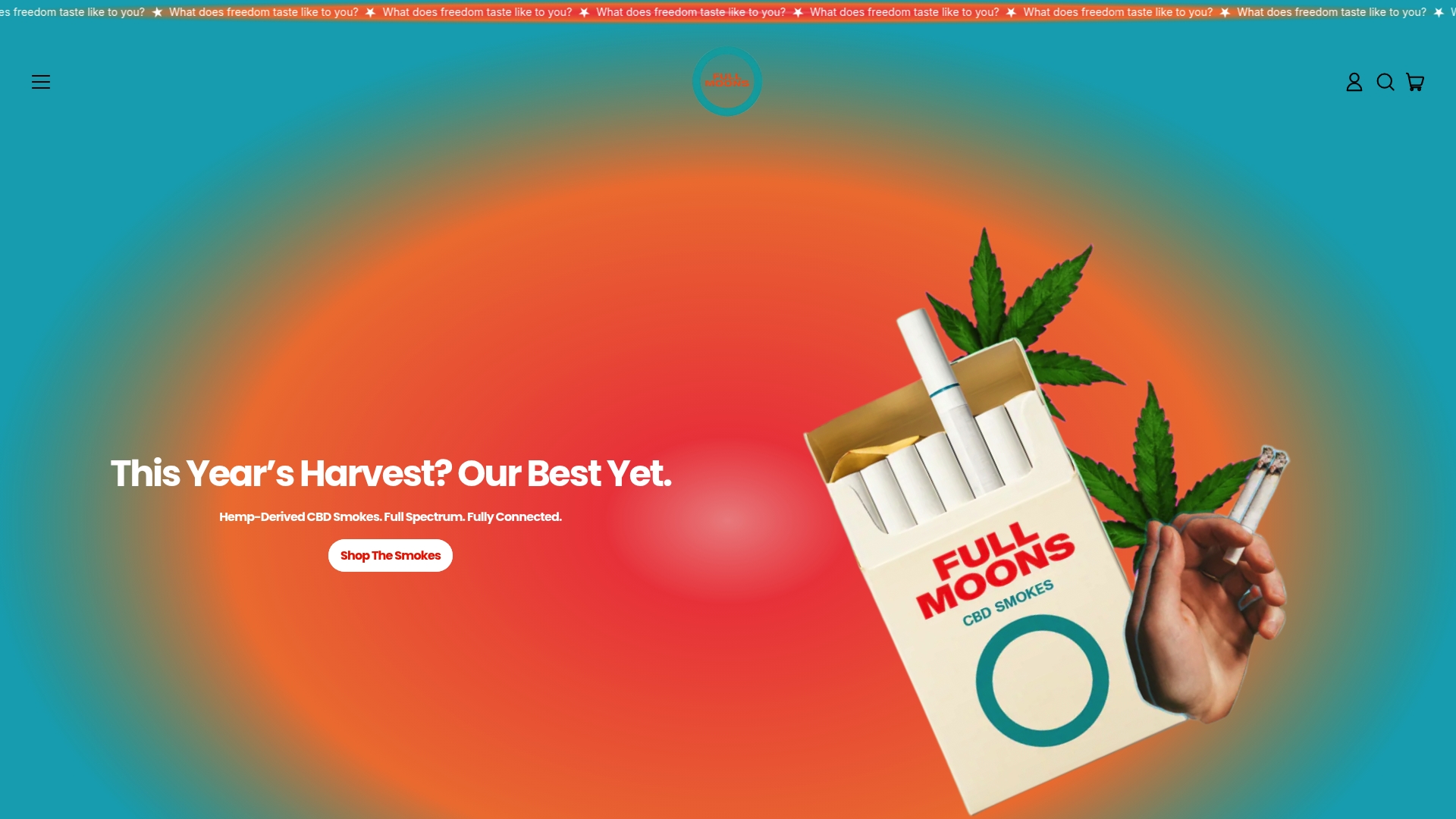
Make the healthier choice today. Visit Full Moons Club now to discover CBD smokes that prioritize protection and purity. Elevate your hemp experience with products that truly respect what matters most to you.
Frequently Asked Questions
What is CBD packaging, and why is it important?
CBD packaging is a protective container for hemp products that preserves product quality, ensures consumer safety, and communicates essential information. It protects cannabinoid compounds from contamination and degradation, helping maintain their effectiveness.
What are the main components of effective packaging for CBD products?
Effective CBD packaging includes features like tamper-evident designs, moisture-resistant materials, clear labeling of cannabinoid and THC content, and QR codes for tracing lab results. These components help ensure product integrity and consumer transparency.
How does packaging impact the shelf life of CBD products?
Quality packaging plays a crucial role in extending the shelf life of CBD products by creating barriers against light, oxygen, and moisture. Specialized materials prevent cannabinoid degradation, ensuring that products remain stable and effective for longer.
What are common mistakes to avoid when packaging CBD products?
Common mistakes include improper labeling, using inadequate child-resistant designs, and failing to use specialized materials that protect against environmental factors. These errors can compromise product quality and regulatory compliance.
