

The Ultimate Guide to CBD Cigarettes: Benefits, Uses, and Where to Buy
Introduction
Imagine a world where the ritual of smoking meets the healing potential of hemp—a convergence that is transforming the landscape of alternative wellness products. In this opening section, you'll discover how cbd cigarettes are emerging as a novel option for individuals seeking a smokeable form of cannabidiol without the addictive nicotine found in traditional cigarettes. Offering practitioners and consumers alike a new approach, these products bridge ritual and relief in a rapidly evolving market.
Bridging Ritual and Wellness
Often overlooked, the sensory and habitual aspects of smoking play a powerful role in user experience. Substituting traditional nicotine cigarettes with hemp-based alternatives, these pre-rolled products deliver cannabinoids without psychoactive highs. According to industry data, hemp cigarettes are growing quickly: globally, the market is expected to reach nearly USD 980 billion by 2032, driven by innovations such as strain-specific blends and terpene-infused options Wikipedia.
Science Meets Smoke
Recent pilot studies suggest potential therapeutic applications. One randomized controlled trial found that smokers using a CBD inhaler reduced their cigarette usage by approximately 40% over a one-week period, compared to placebo PubMed. Additionally, another human study demonstrated that a single oral dose of 800 mg CBD reduced the attractiveness of cigarette cues in abstinent smokers, potentially interrupting conditioned patterns of craving PMC. These findings point to concrete mechanisms by which cbd cigarettes could support cessation or reduction efforts.
Growing Demand And Real-World Relevance
Demand for hemp-based smoking alternatives is surging, particularly among wellness-oriented consumers and those seeking nicotine-free options. Market research indicates that North America alone accounted for roughly USD 0.23 billion in hemp herbal cigarette sales in 2025, with nearly 39% of U.S. consumers adopting these products as tobacco substitutes Global Growth Insights. In practical terms, this translates into retailers and wellness brands rethinking how to position smoking rituals within modern health contexts.
By weaving together market insights, emerging research, and user experience, this introduction lays a solid foundation for understanding why cbd cigarettes are gaining traction. In the following sections, we’ll explore regulatory landscapes, health implications, product selection strategies, and content marketing tactics for brands navigating this dynamic space.
Understanding the Health and Market Dynamics of CBD Cigarettes
Building from the groundwork of industry insights and user trends, it’s essential to explore how CBD-infused hemp cigarettes intersect with health considerations and market forces. Here, we'll delve into consumer motivations, emerging scientific evidence, and usage patterns that influence the positioning of these products.
Consumer Motivations and Market Growth
Burning interest in alternatives to traditional tobacco has propelled hemp herbal cigarettes infused with cannabidiol to capture notable market share. A 2024 report estimates that the global market for such products reached approximately USD 0.57 billion in 2024 and is projected to climb to USD 0.66 billion by 2025, with a healthy CAGR of 12.7% through 2034. Within the U.S., nearly 39% of consumers are opting for these as nicotine-free alternatives, while 33% select them for relaxation or recreational benefits, and 27% for therapeutic purposes like anxiety or sleep support Global Growth Insights.
Health Research and Safety Concerns
Despite their rising popularity, combustion of any plant material introduces inhalation risks. Research on vaping cannabidiol indicates heightened lung inflammation and oxidative stress compared to nicotine vaping, with more severe epithelial damage and immune cell dysfunction Roswell Park Comprehensive Cancer Center. Although these findings focus on vaporized rather than combusted forms, they underscore the broader need for caution when inhaling CBD in any form.
Regulatory Insights and Safety Signals
While CBD cigarettes—made from hemp containing negligible THC—are non-addictive due to their lack of nicotine and offer rapid onset of effects, they still generate tar and byproducts of combustion that may impact respiratory health Wikipedia. Moreover, the FDA highlights risks such as liver enzyme elevations in about 5.6% of users consuming common consumer-level dosages of CBD, underlining the necessity of monitoring liver function in habitual users Food and Drug Administration.
Implications for Brands and Content Strategy
These dynamics suggest that brands entering this space must champion transparency, prioritize third-party testing, and frame their messaging around wellness rather than smoking. Practical strategies include highlighting ingredient provenance, combustion risks, and positioning responsibly—e.g., noting fast onset of calming effects—without overpromising. Real-world implementation might involve educational blogs on inhalation risks, comparisons with non-combustible formats like tinctures, or interviews with medical advisors to strengthen credibility.
By integrating market trends, emerging health data, and responsible storytelling, this exploration sets the stage for an informed discussion about regulation, product selection, and marketing in subsequent sections.
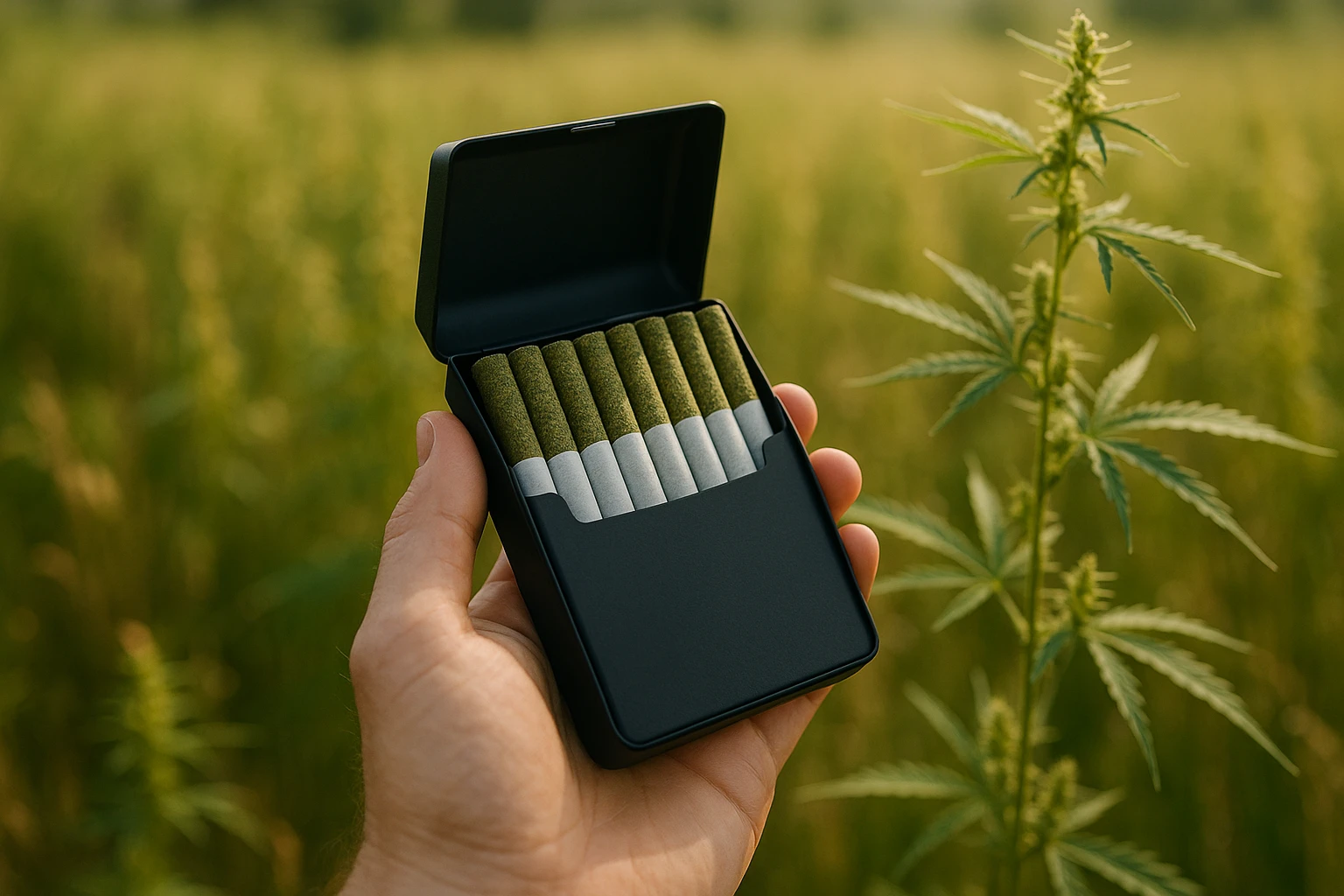
Health Benefits and Considerations
While the rise of CBD products has sparked interest, it's essential to understand the health benefits and considerations associated with CBD cigarettes. Many users turn to these cigarettes as a potential aid for managing stress and anxiety. According to Healthline, CBD may help alleviate symptoms of anxiety by affecting serotonin levels in the brain, offering a natural alternative to pharmaceuticals.
In addition to managing stress, CBD cigarettes are often praised for their potential analgesic effects. Some individuals report relief from chronic pain and inflammation. Research published in the Journal of Experimental Medicine demonstrates that CBD can significantly reduce chronic inflammation and pain, which are often associated with various health conditions.
Potential Risks
Despite these benefits, there are considerations to bear in mind. One primary concern is the potential for CBD to interact with medications. The FDA advises consulting healthcare professionals before incorporating CBD into your routine, especially if you're taking other medications. This is crucial to prevent adverse effects or diminished efficacy of prescribed treatments.
Usage and Dosage
Another key aspect is the dosage and frequency of use. Unlike THC products, CBD cigarettes won't produce a psychoactive effect; however, moderation is still important. The optimal dosage can vary significantly based on individual factors such as body weight, metabolism, and the specific health condition being addressed. Beginners are encouraged to start with low dosages and gradually increase until achieving the desired effects.
Understanding these factors ensures that users can make informed decisions about their health. As interest in CBD cigarettes continues to grow, staying well-informed about both benefits and risks is essential for potential users. By doing so, individuals can enjoy the possible therapeutic effects of CBD while minimizing risks, ensuring a balanced approach to wellness.
Assessing the Pulmonary and Systemic Impact
Building on an understanding of inhalation mechanisms, examining the potential lung and broader health consequences offers valuable insights. Compared to combustible tobacco products, hemp-based cigarettes introduce fewer carbonyl compounds such as formaldehyde, acetaldehyde, and acrolein; however, these remain present in biologically significant amounts that should not be overlooked when considering long-term use PubMed study on carbonyl compounds.
Laboratory-based studies reveal additional concerns around vaping products containing cannabidiol. For instance, acute inhalation of flavored CBD aerosols demonstrated higher cytotoxicity in human bronchial epithelial cells compared to aerosols without CBD, with increased release of inflammatory cytokines PubMed on flavored CBD aerosols. These findings suggest that CBD delivery via vapor can induce inflammatory responses and cellular damage, especially when flavorings are involved.
Further in vitro evidence indicates that combining CBD with nicotine in aerosol form amplifies toxicity. Human bronchial cells exposed to both substances suffered reduced viability and heightened inflammatory mediator release, particularly with flavored solutions, illustrating potential additive risk when users co-administer CBD and nicotine PubMed pilot in vitro study. It’s important to note that these experiments were conducted in controlled settings and may not directly mirror real-world usage patterns.
Exhaled breath condensate analyses provide a more nuanced picture. Researchers found that individuals using combusted products—both tobacco and cannabis—exhibited enriched levels of metabolites and inflammatory markers compared to non-users. In contrast, users of electronic inhalation systems, including CBD vaping, displayed breath profiles more akin to non-users, suggesting a potentially lower biochemical impact—but not necessarily a clean slate in terms of safety Respiratory Research on airway metabolomics.
Real-world parallels can be drawn from existing knowledge of vaping-related injuries. The 2019–2020 outbreak of EVALI (e-cigarette, or vaping, product use-associated lung injury) illustrates how inhalation of adulterated or improperly formulated cannabinoid products, rather than CBD per se, led to severe pulmonary damage, underscoring the risks associated with unregulated sources information on EVALI outbreak.
Ultimately, while some users seek relief through CBD delivery by inhalation, current scientific findings—particularly around flavored or combined products—suggest there are non-negligible risks to respiratory health and systemic inflammation. These considerations underscore the need for caution and highlight the value of regulatory oversight and further longitudinal human studies.

Conclusion
The journey into the world of CBD cigarettes reveals a realm rich with potential benefits and considerations. As consumers continue to explore alternative wellness solutions, CBD cigarettes represent a unique intersection of tradition and innovation. Whether seeking relaxation or a potential reduction in nicotine consumption, understanding the nuances of CBD offers actionable insights for prospective users.
Key Takeaways: Embracing CBD cigarettes as part of a wellness regimen should be informed by both personal goals and scientific understanding. It's crucial to consider the quality of the product, as well as individual needs and preferences. For instance, choosing organically grown hemp can enhance both the efficacy and safety of the experience. Third-party lab testing is a hallmark of reliable brands, ensuring that consumers are receiving products that are free from harmful pesticides and chemicals.
In addition, studies have illustrated the potential of CBD in reducing anxiety and promoting a calm state of mind. According to research from the National Institutes of Health, CBD has shown promise in managing anxiety, making it a compelling option for those seeking a non-psychoactive approach to stress management. However, individual responses can vary, which emphasizes the importance of starting with lower doses and consulting with healthcare professionals, especially if other medications are involved.
Actionable Insights:
For those interested in integrating CBD cigarettes into their lifestyle, it is vital to conduct thorough research and consult experts in the field. Engaging with online communities and reading reviews can provide valuable perspectives and practical experiences. Furthermore, establishing a relationship with reputable retailers can offer ongoing support and product recommendations tailored to personal preferences.
Aside from purely wellness-driven motives, CBD cigarettes can also serve as a sustainable choice. The production of hemp is noted for its low environmental impact, with hemp plants being highly effective in absorbing carbon dioxide. This presents ecol-conscious smokers with an opportunity to align their choices with environmental values.
Call to Action:
If you are considering the switch to CBD cigarettes or are interested in exploring their potential benefits, the time is right for informed experimentation. Educating oneself and seeking out high-quality products are foundational steps towards optimizing the benefits of CBD. By making informed choices and staying updated with emerging research and trends, you can make confident, beneficial decisions for your wellness journey. For more details on how CBD cigarettes can fit into your lifestyle, consider visiting resources like Cannabis Now for further information and updates.
