

Introduction
When you're considering looking for the best cbd products on the market. what do you suggest?, the search can feel overwhelming—not just due to the sheer number of options, but also the lack of consistent regulatory guidance. Understanding the market dynamics, consumer behavior, and quality benchmarks is essential before committing to a purchase.
Market data shows that consumer interest in CBD products has surged dramatically in recent years. For instance, a 2025 report estimates that approximately 37 million Americans used CBD in 2023, with oil or tinctures representing about 45% of all usage forms, followed closely by edibles like gummies. This highlights not only the broad acceptance of CBD but also the popularity of specific delivery methods, which can help guide your product selection strategy.https://zipdo.co/cbd-industry-statistics/
Meanwhile, the U.S. CBD market continues to grow alongside evolving regulations. In 2025, the U.S. is expected to generate approximately $3.04 billion in CBD product revenue, the highest worldwide, while the Americas as a whole are projected to reach nearly $3.87 billion.https://www.statista.com/outlook/hmo/cannabis/cbd-products/united-states These figures underscore how deeply CBD has penetrated mainstream wellness—a critical signal that quality and transparency should be prioritized when selecting products.
Considering this context, it's wise to follow a structured approach. Begin by clarifying your primary goals—whether it’s alleviating anxiety, improving sleep, easing pain, or enhancing overall balance. Then, evaluate products based on their formulation (full‑spectrum vs. broad‑spectrum vs. isolate), sourcing credibility, third‑party lab testing, and dosage clarity. For example, users seeking subtle relief may find success with low-dose full-spectrum tinctures, while others might benefit from high‑potency capsules or targeted topicals.
Real-world examples reinforce this approach. Some brands, like Lazarus Naturals, are frequently praised for offering USDA‑certified organic full‑spectrum tinctures that combine effectiveness with affordability; others, such as Cornbread Hemp, are noted for pet-friendly options and high-dose gummies tailored to specific needs.https://nypost.com/article/where-to-buy-cbd-products-best-cdb-companies/ These examples illustrate the value of aligning your personal wellness priorities with brands that back their claims with transparency and quality control.
This introduction lays the foundation for a comprehensive exploration of how to confidently identify premium CBD products—from understanding labeling terminology to reviewing lab reports and assessing reputational trust—to ensure your choices deliver real value.
Evaluating Quality: How to Choose with Confidence
Moving forward from aligning your wellness goals with reputable brands, the next critical step is learning how to evaluate CBD products with precision. Although you’re looking for the best cbd products on the market. what do you suggest?, aligning your purchase decisions with key quality indicators ensures you invest in safe and effective options.
1. Prioritize Third-Party Lab Testing
A cornerstone of trustworthy CBD is independent verification. Brands that provide a Certificate of Analysis (COA) from a third-party lab—ideally ISO 17025–accredited—allow you to confirm both the cannabinoid profile (CBD/THC levels) and the absence of harmful contaminants like pesticides, heavy metals, and solvents consumerreports.org. For instance, many brands now embed QR codes on packaging for easy access to batch-specific COAs, offering greater transparency todaysdietitian.com.
2. Source and Extraction Matter
Quality begins at the source. Look for hemp cultivated in regulated regions such as Colorado, Kentucky, or Oregon to minimize pesticide risk and maximize traceability consumerreports.org. The extraction method also matters—CO₂ extraction is widely considered the cleanest and most reliable approach, preserving cannabinoid integrity without solvent residues dustygreen.org.
3. Assess Product Labeling and Potency
Labels should be clear, accurate, and informative. Transparency means chargers list CBD and THC per serving—not just "total cannabinoids"—and may reference full-spectrum, broad-spectrum, or isolate formats consumerreports.org. Full- or broad-spectrum options tend to exhibit the “entourage effect,” enhancing therapeutic potential joyorganics.com. Generally, avoid CBD items with vague potency or unverified claims.
4. Watch for Red Flags
Be cautious of products with unrealistic promises such as curing serious health conditions—these go beyond what research supports and may not comply with FDA guidance mamakana.us. Products priced well below market benchmarks also raise concerns; quality cultivation and testing incur real costs, so unusually cheap CBD could indicate inferior quality mamakana.us.
5. Real-World Examples for Context
- Consumer Reports recommends reviewing COAs and knowing where hemp is grown, emphasizing states known for regulatory rigor consumerreports.org.
- Today's Dietitian highlights the increased use of QR codes to give buyers quick access to lab data—including findings on purity, pesticides, and more todaysdietitian.com.
By considering these factors—rigorous testing, responsible sourcing, clear labeling, and market realism—you’ll be better equipped to make educated choices. Integrating these actionable insights can elevate your process of looking for the best cbd products on the market. what do you suggest? with the precision it deserves.
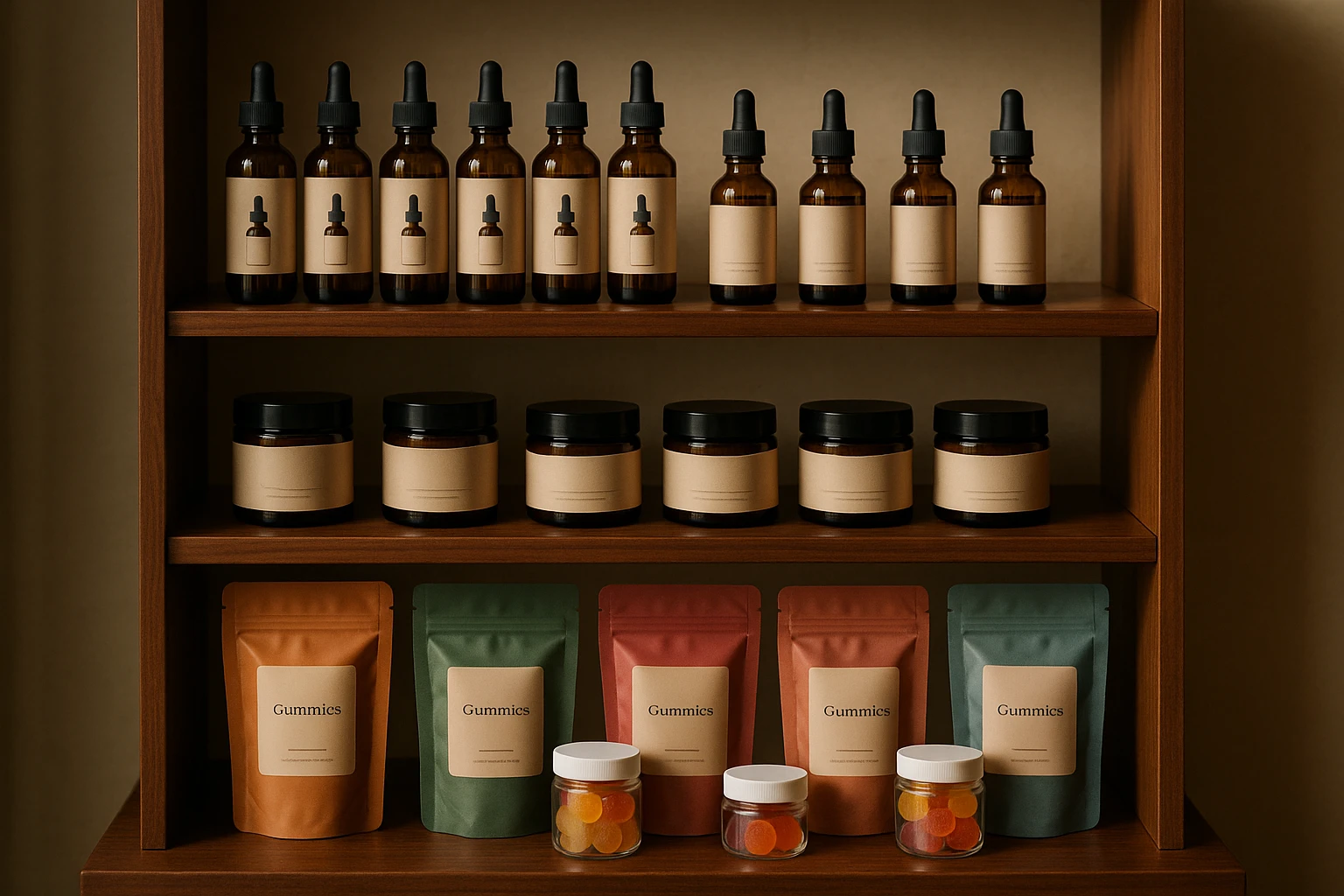
Consider the Source and Quality of CBD Products
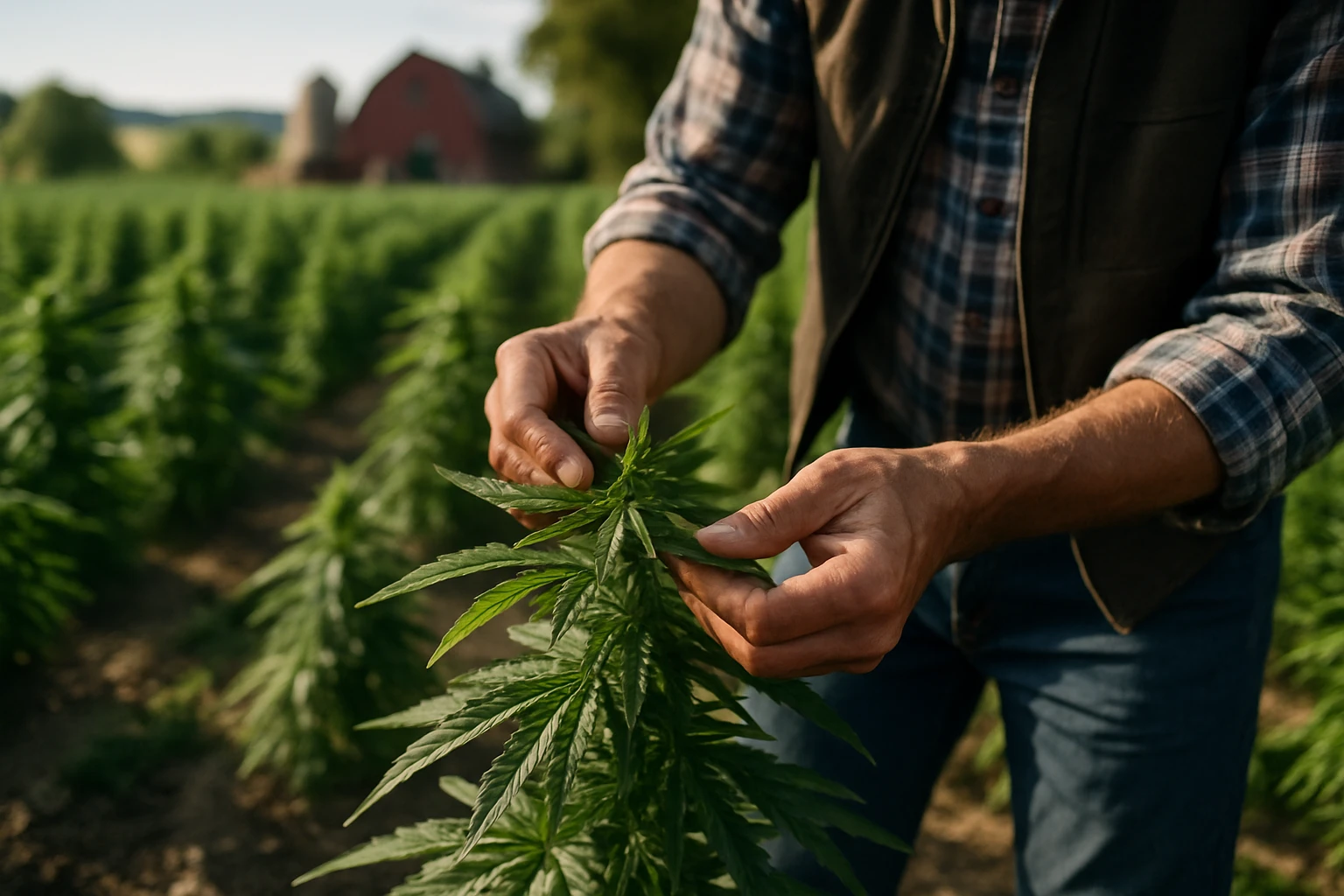
When looking for the best CBD products on the market, quality and source are crucial aspects to consider. The origin of the hemp used in CBD production significantly impacts the product's overall quality and safety. Ideally, consumers should seek products made from organically grown hemp, preferably sourced from reputable regions like the United States or Europe. These regions are known for their stringent agricultural standards, ensuring a high level of purity and quality in the hemp used. Paying attention to labels that mention “non-GMO” and “pesticide-free” can further assure the safety and efficacy of the product.
Understanding Certificates of Analysis (COA)
A Certificate of Analysis (COA) is a document provided by a third-party laboratory that tests a product for cannabinoid content, THC levels, and potential contaminants such as heavy metals and pesticides. It is an essential tool for verifying the claims made by the manufacturer about the product's potency and purity. When evaluating CBD products, it is advisable to request access to their COAs. This ensures transparency and builds trust in the product's quality. A lack of COA or any hesitation from the supplier to provide this information could be a red flag.
The Role of Extraction Methods
The extraction method used to obtain CBD from hemp plays a vital role in determining the quality of the final product. CO2 extraction is widely regarded as the gold standard due to its ability to create a clean, potent product without leaving harmful residues. This method, although more expensive, often results in a higher-quality product. Another method, ethanol extraction, is also considered effective but can sometimes leave small amounts of solvent residue if not done correctly. Understanding these processes can guide purchasers in selecting the most reliable CBD products available.
From studies conducted recently, consumers have shown a growing preference for products with verified extraction methods and COA certifications. According to Forbes, the global CBD oil market continues to expand, with the U.S. leading due to high product standards and consumer awareness. When you are on the quest for the best CBD products on the market, this attention to detail helps in identifying innovative products that assure safety and effectiveness.
Rigorous Third-Party Testing and Lab Transparency
Building on concerns raised in previous sections, it's essential to prioritize products verified by independent testing. Many manufacturers now provide Certificates of Analysis (COAs) showing results from ISO 17025–certified labs. Forbes Health, for example, evaluated over 120 CBD gummy products using strict criteria—such as U.S.-grown hemp, third-party testing for heavy metals and molds, and THC content below 0.3%—to recommend trustworthy options. This kind of transparency helps consumers feel confident in the product’s safety and potency Forbes Health.
In the same vein, Healthline’s assessment of the best CBD oils for 2026 highlights options like Cornbread Hemp’s Distilled CBD Oil, known for being USDA-certified organic and consistently reliable across testers in areas such as relaxation, sleep, and anxiety relief Healthline. These recommendations stem from hands-on testing rather than just marketing hype, giving readers actionable insight.
Real-World Examples of Trusted Products
Let’s put this into practice with real-world picks. Healthline calls out Cornbread Hemp for its organic certification and test-proven effectiveness. Forbes Health emphasizes brands like Lazarus Naturals and R&R CBD—both USDA-certified organic and endorsed for quality and affordability Forbes Health.
Identifying these brands when you’re looking for the best cbd products on the market. what do you suggest? becomes easier when you focus on those offering COAs, transparency in sourcing, and reputable certifications such as USDA organic or ISO 17025-compliant lab testing. These signals help filter out risky or mislabeled offerings, which remain a concern given past studies revealing widespread inaccuracies in CBD content labeling label accuracy concerns.
Actionable Tips for Smart Buying
- Always request or verify access to a COA from the batch you intend to purchase.
- Cross-check third-party lab results for purity—look for tests covering heavy metals, microbial contaminants, and pesticide residues.
- Favor brands with clear certification—like USDA organic, U.S. Hemp Authority, or ISO-accredited lab testing.
- Review testing dates on COAs to ensure they correspond with the product batch you're evaluating.
By following these steps—focusing on test-verified, transparently sourced products—you’ll be in a much stronger position to confidently select a reliable CBD option that matches your needs.
Conclusion: Making an Informed Choice
As you navigate the journey of finding the best CBD products on the market, keeping a few clear takeaways in mind can be immensely helpful. Understanding the origin and quality of the hemp used is paramount. Look for products derived from organically grown plants, ensuring a pure and potent CBD extract. Brands like Charlotte's Web and Lazarus Naturals are well-regarded for their sustainable farming practices and transparency.
Equally important is the method of extraction used in producing CBD. CO2 extraction remains the gold standard, providing a clean and effective product without harmful residues. When brands prioritize quality in their production process, it speaks volumes about their commitment to consumer health. Research conducted on the efficacy of CBD shows, for instance, that properly extracted CBD can significantly aid in managing anxiety and inflammation (Source).
Effective CBD products are often supported by thorough third-party testing, providing an unbiased scrutiny of product claims. Certificates of Analysis (COAs) that verify cannabinoid content and purity should be accessible on the brand's website. Before purchasing, ensure that the brand you're considering prioritizes transparency by offering these details openly.
Moreover, understanding your specific needs and desired outcomes can refine your choices. For instance, if you're looking for the best CBD products on the market to aid sleep, you may consider products infused with melatonin or other relaxing herbs. On the other hand, for general wellness, a full-spectrum oil that contains a range of cannabinoids and terpenes may be beneficial. It's often worth reviewing user testimonials and scientific studies that back the usage of particular blends or formulations.
Finally, take action by starting with a small purchase to assess its effects, allowing you to make adjustments as needed. Subscription models offered by some companies may provide cost savings and convenience as you incorporate CBD into your routine. Engaging with communities online can also provide personal insights and support as you explore what works best for you.
To make informed decisions and purchase the best CBD products, begin by exploring reputable brands and leveraging trusted resources. Whether you're seeking targeted relief or general wellness, the knowledge and insights gained will serve as a solid foundation for your CBD journey.