

Most American cannabis consumers are surprised to learn that nearly 90 percent of available products are actually hybrids, not pure indica or sativa. As interest in wellness grows, the confusion around what hybrid strains truly are—and what they do—only deepens. With outdated myths shaping many choices, understanding the real science and benefits behind hybrid strains can help you make more informed and mindful decisions.
Table of Contents
- Defining Hybrid Strain And Common Misconceptions
- Hybrid Vs. Indica And Sativa: Key Differences
- How Hybrid Strains Are Created And Labeled
- Wellness Benefits And Effects Of Hybrid Strains
- Legal Status Of Hybrid Hemp Strains In The U.S.
- Choosing Hybrid Strains For Mindful Smoking
Key Takeaways
| Point | Details |
|---|---|
| Understanding Hybrid Strains | Hybrid strains combine characteristics from both indica and sativa plants, challenging traditional cannabis classifications. |
| Complexity of Effects | The effects of hybrid strains are influenced by individual plant biochemistry, including cannabinoid profiles and terpenes, making experiences unique. |
| Mindful Selection | Choosing the right hybrid strain for specific wellness goals involves considering individual sensitivities and desired effects to enhance personal well-being. |
| Legal Awareness | Hybrid strains are subject to varying regulations, so consumers must stay informed about local laws regarding THC content and strain accessibility. |
Defining Hybrid Strain and Common Misconceptions
Hybrid cannabis strains represent a fascinating intersection of botanical diversity and personalized wellness. These unique varieties blend characteristics from both indica and sativa parent plants, creating nuanced experiences that challenge traditional cannabis categorizations. Understanding the differences in hemp strains reveals the complex genetic landscape of cannabis cultivation.
At its core, a hybrid strain emerges from intentional crossbreeding between indica and sativa cannabis varieties. While classic wisdom suggested that indicas produce relaxing effects and sativas generate energetic responses, modern research indicates this binary approach is increasingly oversimplified. Therapeutic cannabis research demonstrates that hybrid strains can offer a balanced experience, combining mood elevation with physical relaxation.
Common misconceptions about hybrid strains often stem from outdated classification systems. Many consumers mistakenly believe that every hybrid will produce identical effects or that genetic lineage perfectly predicts user experience. In reality, individual plant biochemistry creates significant variation. Factors like cannabinoid profile, terpene composition, and individual metabolism dramatically influence how a particular hybrid strain might interact with your endocannabinoid system.
To truly understand hybrid strains, consumers must move beyond simplistic categorizations. Each hybrid represents a unique genetic expression, potentially offering tailored experiences that blend the best attributes of its parent plants. Approaching hybrid strains with curiosity and an open mind allows for more personalized and nuanced wellness exploration.
Hybrid vs. Indica and Sativa: Key Differences
Traditionally, cannabis enthusiasts distinguished between indica and sativa strains based on their perceived effects, but modern botanical understanding reveals a far more complex landscape. Cannabis strain research indicates that most contemporary plants are actually intricate hybrids, blending characteristics that defy simple categorization.
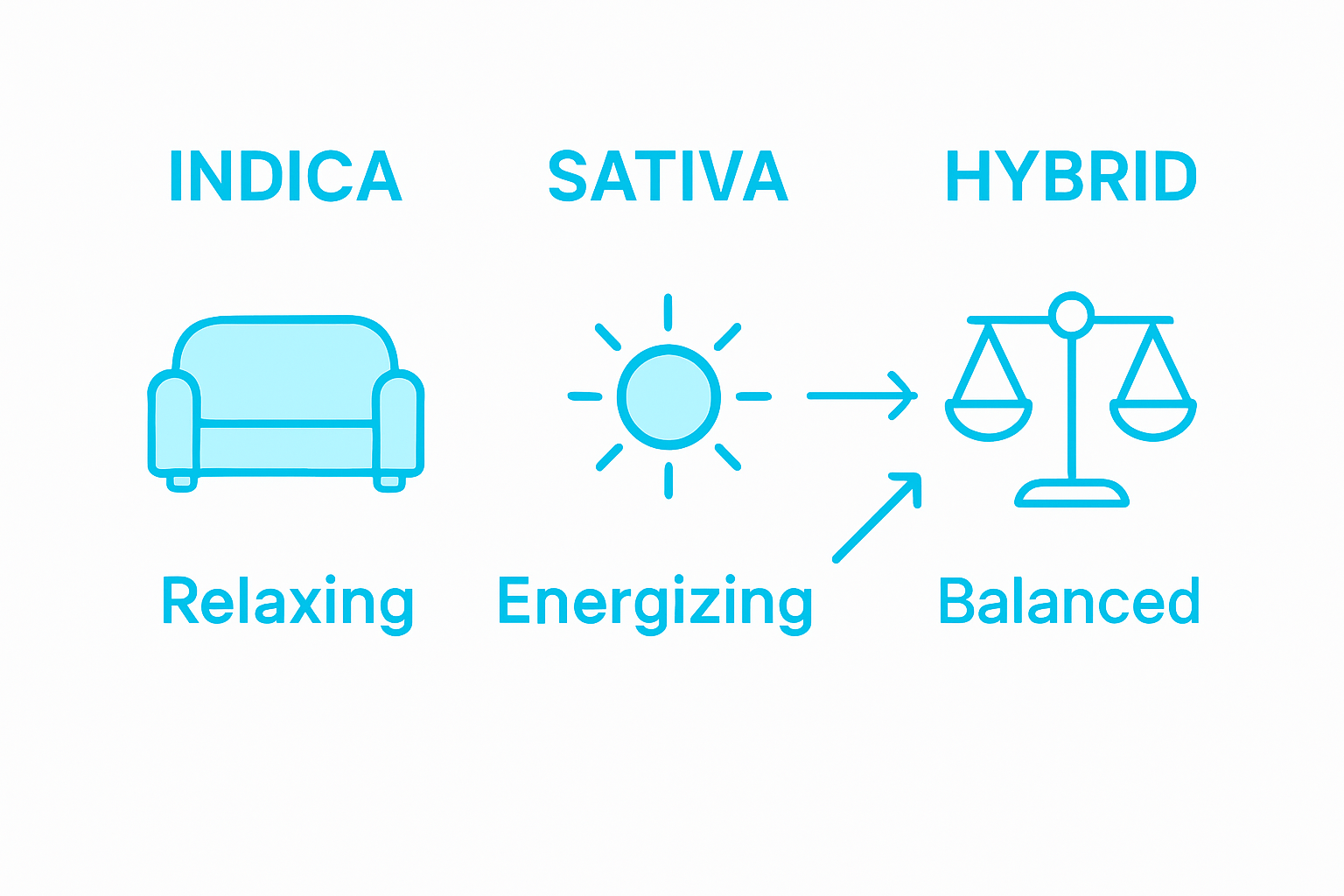
The classic distinctions between indica and sativa strains once suggested clear-cut differences. Indica varieties were thought to produce deeply relaxing, physically sedating effects, while sativa strains were associated with cerebral stimulation and energetic experiences. However, contemporary cannabis studies reveal that these traditional classifications have become increasingly outdated. Most cannabis plants available today represent complex hybrid genetics, inheriting nuanced traits from multiple lineages.
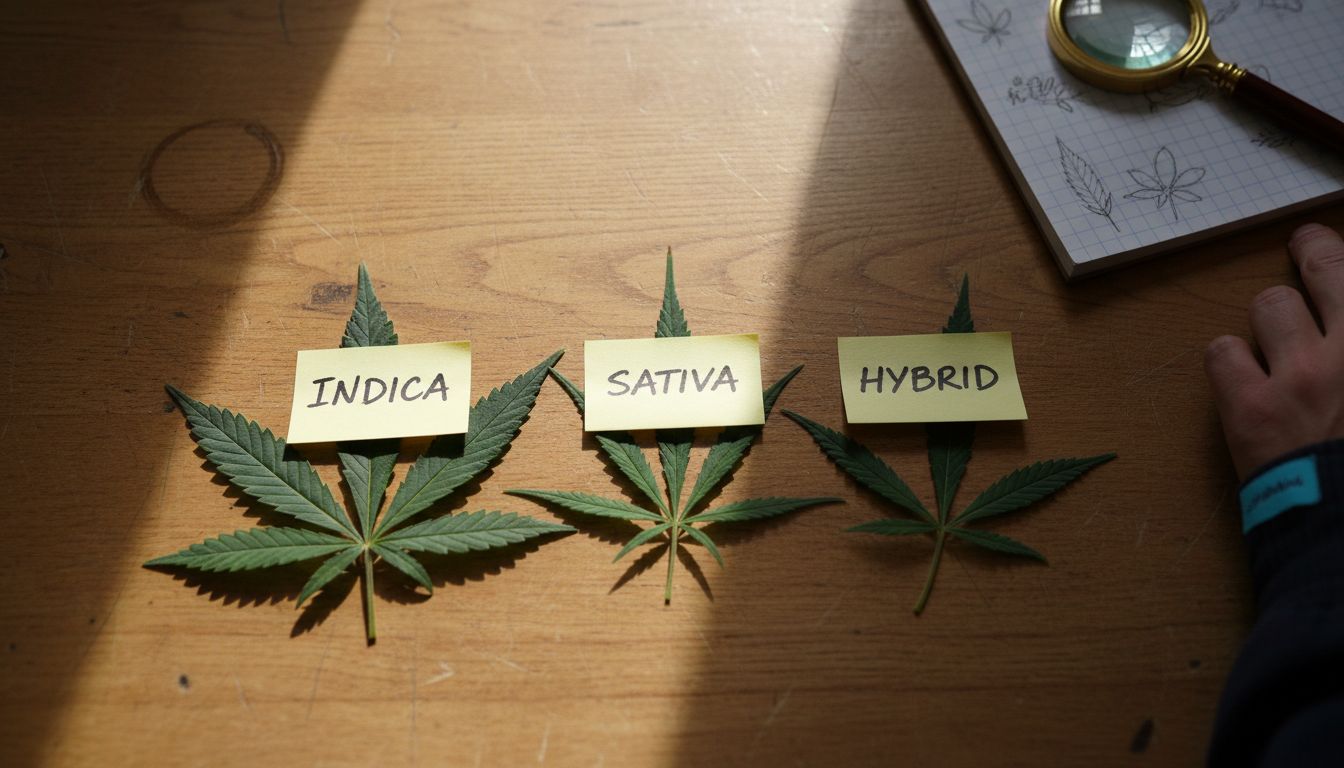
Key differences between indica, sativa, and hybrid strains extend beyond mere stereotypical effects. Physically, indica plants typically grow shorter and bushier with broader leaves, while sativa plants tend to be taller with narrower leaf structures. Hybrid strains represent strategic genetic combinations designed to balance or enhance specific characteristics. Some hybrids lean more toward indica-dominant traits, offering relaxation, while others skew sativa-dominant, providing more cerebral and energetic experiences.
Understanding these differences requires moving beyond oversimplified categorizations. Each cannabis strain represents a unique genetic expression, influenced by cultivation techniques, environmental conditions, and specific cannabinoid profiles. Consumers seeking tailored experiences should focus on individual strain characteristics rather than broad categorical assumptions about indica, sativa, or hybrid classifications.
How Hybrid Strains Are Created and Labeled
Cannabis strain development represents a sophisticated process of intentional genetic engineering, where cultivators strategically crossbreed indica and sativa plants to produce offspring with desired characteristics. This meticulous approach allows growers to create hybrid strains that inherit specific traits from parent plants, ranging from flavor profiles and growth patterns to potential therapeutic effects.
The breeding process involves careful selection and controlled pollination. Cultivators identify parent plants with complementary characteristics, such as one plant offering robust growth patterns and another providing unique cannabinoid profiles. Through deliberate cross-pollination, these plants produce seeds that carry genetic information from both parents. Commercial cannabis production often relies on cloning techniques, where identical genetic copies are created to maintain consistent strain characteristics, ensuring predictable outcomes for consumers.
Hybrid strain labeling typically reflects the genetic dominance of parent strains. Terms like “indica-dominant,” “sativa-dominant,” or “balanced” help consumers understand the potential effects and characteristics of a particular hybrid. Some popular hybrid categories include “50/50 hybrids” with equal genetic contributions from indica and sativa parents, “indica-dominant hybrids” offering more relaxing experiences, and “sativa-dominant hybrids” providing more energetic and cerebral effects.
Understanding hybrid strain creation requires recognizing the complex interplay of genetics, cultivation techniques, and intentional breeding strategies. Modern hybrid development goes far beyond simple crossbreeding, involving sophisticated techniques like genetic selection, controlled environmental conditions, and advanced understanding of cannabinoid and terpene interactions. Consumers interested in specific effects or therapeutic outcomes can now choose from an increasingly diverse range of hybrid strains tailored to individual preferences and wellness goals.
Wellness Benefits and Effects of Hybrid Strains
Therapeutic cannabis research reveals that hybrid strains offer a nuanced approach to wellness, providing unique combinations of effects that can be precisely tailored to individual needs. Unlike traditional single-strain experiences, hybrid varieties blend the best attributes from indica and sativa parents, creating complex cannabinoid and terpene profiles that support holistic well-being.
The wellness potential of hybrid strains emerges from their ability to deliver balanced physiological and psychological effects. Some hybrids might promote deep relaxation without sedation, while others can provide gentle energy without anxiety or overstimulation. Genetic strain analysis demonstrates that carefully developed hybrids can target specific wellness goals, such as stress reduction, mood stabilization, pain management, and improved sleep quality.
Hybrid strains typically offer a spectrum of potential benefits across different domains of wellness. Physical benefits may include muscle tension relief, reduced inflammation, and improved pain management. Psychological benefits can encompass mood elevation, anxiety reduction, enhanced creativity, and improved focus. The precise effects depend on the specific genetic composition, with some hybrids leaning more toward relaxation and others toward mental clarity and energetic support.
Understanding hybrid strain effects requires recognizing individual biochemistry and personal wellness objectives. No single hybrid strain works identically for every person, making personalized exploration crucial. Consumers should approach hybrid strains with curiosity, starting with low doses and carefully observing their body’s unique response to different genetic combinations and cannabinoid profiles.
Legal Status of Hybrid Hemp Strains in the U.S.
Cannabis strain legal landscape demonstrates significant complexity, with hybrid hemp strains existing in a nuanced regulatory environment that varies dramatically across different states. Federal regulations primarily distinguish between hemp derived products containing less than 0.3% THC and marijuana strains with higher psychoactive compound concentrations, creating a sophisticated legal framework that impacts hybrid strain availability and consumption.
The legal framework surrounding hybrid hemp strains centers on three critical distinctions: federal regulations, state-specific laws, and individual product compositions. Therapeutic cannabis guidelines recommend consumers carefully verify local regulations before purchasing or consuming any hybrid strain. While the 2018 Farm Bill legalized hemp-derived products nationwide, individual states maintain unique restrictions that can significantly impact hybrid strain accessibility.
Key legal considerations for hybrid hemp strains include THC concentration, intended use, and method of extraction. Hemp-derived hybrid strains containing less than 0.3% THC are federally legal and can be shipped across state lines, providing consumers with broader access. However, states like Idaho, Nebraska, and Kansas maintain more restrictive interpretations of hemp legislation, potentially creating additional barriers for hybrid strain consumers.
Navigating the legal landscape requires ongoing awareness and proactive research. Consumers should consistently monitor both federal and state regulations, as cannabis laws continue evolving rapidly. Understanding the nuanced distinctions between hemp and marijuana, tracking legislative changes, and verifying product compositions remain essential strategies for responsible hybrid strain consumption in the United States.
Choosing Hybrid Strains for Mindful Smoking
Therapeutic cannabis selection requires thoughtful consideration of individual wellness goals and personal biochemistry. Mindful smoking involves selecting hybrid strains that align with specific intentions, whether seeking relaxation, creative stimulation, stress reduction, or balanced mental clarity. Understanding the nuanced characteristics of different hybrid varieties allows consumers to craft intentional smoking experiences that support holistic well-being.
The selection process for hybrid strains demands careful evaluation of genetic composition and potential effects. Cannabis strain analysis reveals that indica-dominant and sativa-dominant hybrids offer distinctly different experiences. Indica-dominant hybrids typically provide deeper physical relaxation and potential sleep support, while sativa-dominant hybrids tend to enhance mental focus and creative energy. Consumers should consider their immediate wellness objectives and personal tolerance when making selections.
Key factors in mindful hybrid strain selection include understanding individual sensitivity, desired effects, and consumption context. Important considerations involve assessing cannabinoid ratios, terpene profiles, and potential interactions with personal biochemistry. Consumers might prioritize strains that offer specific benefits like anxiety reduction, pain management, or mood stabilization. Starting with low doses and maintaining a reflective approach allows for more personalized and intentional consumption.
Mindful smoking transcends mere consumption, representing a holistic approach to wellness and self-awareness. By approaching hybrid strains with curiosity, respect, and intentionality, consumers can transform smoking from a casual activity into a deliberate practice of personal exploration and well-being. Tracking personal responses, maintaining open communication with healthcare professionals, and remaining adaptable to individual biochemical variations are essential strategies for responsible and mindful hybrid strain consumption.
Discover the Perfect Hybrid Hemp Experience for Your Wellness Journey
Navigating the world of hybrid cannabis strains can be overwhelming with so many variables like cannabinoid profiles and terpene combinations affecting your wellness goals. If you are seeking a balanced and mindful smoking ritual that supports relaxation, stress relief, and clarity without the confusion of psychoactive effects, Full Moons Club offers a tailored solution. Our premium selection of organic CBD smokes and hemp cigarettes harnesses the natural benefits of hemp hybrids while delivering a smooth, chemical-free, and tobacco-free experience designed for everyday well-being.

Take control of your wellness with products crafted for intentional consumption. Explore our full range and find the hybrid hemp alternative that complements your lifestyle and personal biochemistry. Choose a healthier path today by visiting Full Moons Club and elevate your smoking ritual with natural, federally legal hemp smokes that fit your mindful approach perfectly.
Frequently Asked Questions
What is a hybrid strain in cannabis?
A hybrid strain in cannabis is a variety that is intentionally bred from both indica and sativa parent plants. These strains combine characteristics from both types, allowing for a wide range of potential effects and experiences.
How are hybrid strains different from indica and sativa strains?
Hybrid strains differ from indica and sativa strains in that they blend traits from both categories. While indicas are typically relaxing and sativas are energizing, hybrids can offer a balance of both, resulting in varied effects depending on their specific genetic makeup.
What factors influence the effects of hybrid strains?
The effects of hybrid strains are influenced by several factors, including cannabinoid profiles, terpene compositions, individual metabolism, and personal biochemistry. This variation means that each person’s experience with a hybrid strain can be unique.
Why should I consider using hybrid strains for wellness?
Hybrid strains offer a nuanced approach to wellness, providing a combination of physical and psychological benefits. Depending on the specific strain, they can help with stress reduction, mood stabilization, pain relief, and other therapeutic effects tailored to individual needs.