

Choosing a mindful alternative to traditional smoking often means paying close attention to scent and purity. For many American adults, the search for more natural options leads straight to the unique aromatic world of hemp cigarettes. Rich botanical compounds called terpenes set hemp apart from tobacco, shaping an experience that ranges from musky and earthy to bright and citrusy. This guide uncovers exactly what makes each hemp cigarette’s aroma distinctive, giving you the confidence to select a product that matches your preferences.
Table of Contents
- What Makes Hemp Cigarettes Aromatic
- Terpenes, Cannabinoids, and Scent Profiles
- Comparing Hemp to Tobacco and Marijuana Aroma
- Legal and Safety Implications of Hemp Smoke
- Common Misconceptions About Hemp Cigarette Smell
Key Takeaways
| Point | Details |
|---|---|
| Unique Terpene Profiles | Hemp cigarettes have distinct aromatic profiles driven by terpenes, providing a sensory experience that differs from traditional tobacco. |
| Natural vs. Additives | Unlike tobacco, which often includes chemical additives, hemp’s scent comes directly from natural plant compounds, potentially offering therapeutic benefits. |
| Legal Considerations | The legal status of hemp cigarettes varies based on THC content, requiring consumers to understand local regulations before purchasing. |
| Common Misconceptions | Many misconceptions exist about hemp cigarettes’ aroma, such as the belief that they smell like marijuana, when they actually have a milder, more herbal scent. |
What Makes Hemp Cigarettes Aromatic
Hemp cigarettes possess a unique aromatic profile that distinguishes them from traditional tobacco products, driven primarily by complex botanical compounds called terpenes. These remarkable molecules are responsible for the distinctive, nuanced scents that make hemp smoking experiences so different from conventional cigarettes.
The science behind hemp cigarette aromas is fascinating. Cannabis terpene profiles reveal an extraordinary range of over 200 aromatic compounds that contribute to their sensory experience. These terpenes originate in the plant’s trichomes and emerge through several key characteristics:
- Myrcene: Delivers earthy, musky undertones
- Limonene: Provides citrusy, bright notes
- Caryophyllene: Introduces spicy, peppery hints
- Pinene: Contributes fresh, forest-like aromatics
Unlike tobacco, which often relies on chemical additives to create flavor, hemp cigarettes derive their scent directly from natural plant compounds. These terpenes not only create unique aromas but also potentially offer subtle therapeutic benefits. The volatility of these molecules means each hemp cigarette can have a slightly different aromatic signature, much like fine wines or craft coffees.
The intensity and specific character of hemp cigarette aromas depend on multiple factors, including the hemp strain, cultivation methods, and processing techniques. Organic, carefully harvested hemp will typically produce more complex and appealing scent profiles compared to mass-produced varieties.
Here’s a quick reference of primary terpenes found in hemp and their typical aromatic contributions:
| Terpene | Common Scent Notes | Also Found In |
|---|---|---|
| Myrcene | Earthy, herbal, musky | Mango, hops |
| Limonene | Citrus, bright, fresh | Citrus fruits, mint |
| Linalool | Floral, light, sweet | Lavender, basil |
| Caryophyllene | Spicy, peppery, warm | Black pepper, clove |
| Pinene | Pine, forest, resinous | Pine needles, sage |
Pro tip: When selecting hemp cigarettes, smell the product before purchasing to understand its unique terpene profile and ensure it matches your aromatic preferences.
Terpenes, Cannabinoids, and Scent Profiles
Hemp’s aromatic complexity stems from an intricate interplay between terpenes and cannabinoids, creating a sophisticated sensory experience that goes far beyond simple plant fragrance. These molecular components work together in a phenomenon known as the entourage effect, where each compound enhances and modifies the overall physiological and aromatic profile.
Terpene and cannabinoid interactions reveal a fascinating biochemical landscape where volatile hydrocarbons and therapeutic compounds intersect. The primary terpenes responsible for hemp’s distinctive aromas include:
- Myrcene: Provides earthy, musky undertones
- Caryophyllene: Introduces spicy, peppery notes
- Linalool: Contributes soft, floral hints
- Limonene: Adds bright, citrusy elements
Unlike traditional tobacco, hemp’s cannabinoid composition directly influences its aromatic signature. Cannabinoids like CBD interact with the body’s endocannabinoid system, while terpenes simultaneously shape the sensory experience and potentially offer therapeutic benefits. This unique interaction means that each hemp strain can produce a distinctly different aromatic and experiential profile.

The extraction method significantly impacts the final terpene and cannabinoid concentration. Careful processing can preserve these delicate compounds, ensuring that the hemp cigarette maintains its full aromatic complexity and potential wellness benefits. Organic cultivation and gentle extraction techniques help retain the plant’s natural terpene profile, resulting in a more nuanced and authentic sensory experience.
Pro tip: Explore different hemp strains to discover the unique terpene profiles that most appeal to your sensory preferences.
Comparing Hemp to Tobacco and Marijuana Aroma
The aromatic landscape of hemp, marijuana, and tobacco represents a fascinating study in sensory complexity, with each substance offering a distinctly unique olfactory experience. Cannabis aroma science reveals intricate differences in how these plants generate their characteristic scents, driven by unique combinations of volatile compounds and terpene profiles.
Key distinctions in aromatic characteristics include:
- Hemp: Subtle, diverse terpene-driven aromas
- Marijuana: More intense, complex scent profile
- Tobacco: Distinct organic compounds unrelated to terpenes
Volatile compound research demonstrates that while hemp and marijuana share similar terpene foundations, their aromatic intensities vary dramatically. Hemp typically presents a more subdued scent, with delicate notes ranging from musky and earthy to slightly citrusy or herbal. Marijuana, by contrast, delivers a more potent and varied aromatic experience, with stronger terpene concentrations that create more pronounced sensory impressions.
Tobacco stands apart entirely, generating its characteristic smell through curing processes and unique organic compounds that bear little resemblance to the terpene-driven aromas of hemp and marijuana. The curing techniques, chemical additives, and specific leaf composition of tobacco create a fundamentally different sensory profile that cannot be directly compared to hemp’s more natural, botanical fragrance.
The following table contrasts the aromas and sensory profiles of hemp, marijuana, and tobacco:
| Characteristic | Hemp Cigarettes | Marijuana Cigarettes | Traditional Tobacco |
|---|---|---|---|
| Main Aromatic Source | Terpenes | High terpene content | Curing compounds |
| Intensity | Mild to moderate | Strong, pungent | Deep, smoky |
| Signature Scent | Herbal, citrus, mild | Skunky, earthy, strong | Smoky, earthy, robust |
| Additives | Usually none | Rarely added | Flavor/chemical additives |
Pro tip: When exploring hemp cigarettes, smell the product first to appreciate the nuanced terpene profile unique to each strain.
Legal and Safety Implications of Hemp Smoke
The legal landscape of hemp cigarettes presents a complex intersection of regulatory compliance, health considerations, and consumer safety. Carbonyl compound analysis reveals critical insights into the potential health risks associated with hemp smoke, highlighting the need for nuanced understanding beyond simple legal classifications.
Key legal and safety considerations include:
- Federal legal status remains dependent on THC concentration
- Extraction methods significantly impact product safety
- Smoke composition differs from traditional tobacco products
- Regulatory frameworks continue to evolve
Chemical extraction research demonstrates that the method of processing hemp dramatically influences its chemical profile and potential health implications. While hemp cigarettes containing less than 0.3% THC remain federally legal in the United States, consumers should remain aware that inhaling any type of smoke carries inherent health risks.
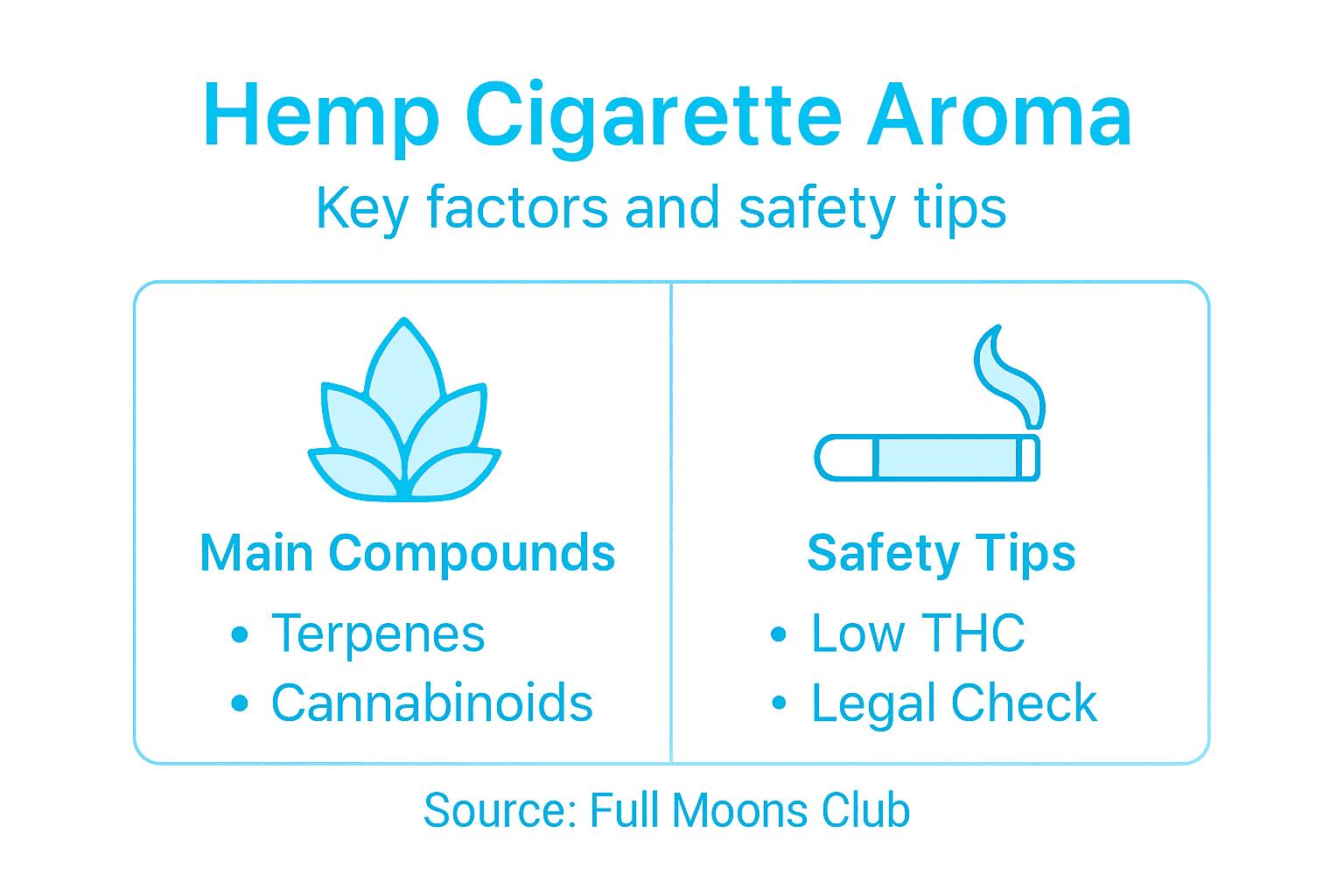
The regulatory environment surrounding hemp smoke is dynamic and complex. Unlike traditional tobacco, hemp cigarettes occupy a unique legal space where federal and state regulations can differ significantly. The presence of CBD and other non-psychoactive cannabinoids further complicates the legal landscape, requiring consumers to stay informed about local and national guidelines.
Pro tip: Always verify the legal status and THC content of hemp cigarettes in your specific state or jurisdiction before purchasing or consuming.
Common Misconceptions About Hemp Cigarette Smell
Many people approach hemp cigarettes with preconceived notions about their scent and experience, often misunderstanding the nuanced aromatic profile that distinguishes these products. Hemp-derived terpene research reveals several critical misconceptions that cloud consumer understanding of these unique smoking alternatives.
Common myths about hemp cigarette smell include:
- Hemp smells exactly like marijuana
- Terpenes are only about flavor
- All hemp cigarettes smell the same
- The smell indicates psychoactive properties
- Hemp smoke is identical to tobacco smoke
Contrary to popular belief, hemp cigarettes do not produce the intense, pungent aroma associated with marijuana. Instead, they offer a more subtle, herbal fragrance characterized by delicate terpene combinations. The low THC content means the scent is significantly more mellow and less distinctive compared to marijuana cigarettes.
Terpenes are often misunderstood as mere flavoring agents, when in reality they represent a complex chemical system with potential therapeutic implications. These aromatic compounds do more than create smell—they interact with cannabinoids to potentially enhance overall physiological responses, a phenomenon known as the entourage effect.
Pro tip: When exploring hemp cigarettes, approach them with an open mind and recognize that each strain offers a unique aromatic experience.
Discover a Healthier Way to Enjoy Hemp Aromas and Wellness
Understanding why hemp cigarettes smell different requires appreciating the natural terpenes and cannabinoids that shape their unique scent and effects. If you are seeking a pure, chemical-free smoking alternative that keeps you clear of tobacco additives and harsh chemicals, Full Moons Club offers exactly what you need. Our premium hemp smokes are crafted from organic U.S.-grown hemp rich in CBD, CBG, and CBC, designed to deliver natural aroma profiles without psychoactive effects or unpleasant additives.

Explore our full selection today at Full Moons Club and enjoy smooth, aromatic hemp cigarettes rolled in eco-friendly paper with biodegradable filters. Choose a health-conscience, flavorful option proven to reflect the terpene complexity explained in the article. For those who want to embrace the entourage effect while avoiding tobacco risks, our products offer a safe, federally legal, and satisfying solution. Start your journey now by visiting Full Moons Club and elevate your smoking experience with nature’s best.
Learn more about how terpene profiles create distinct hemp aromas and why our hemp cigarettes stand apart from traditional smoke alternatives on our landing page. Take control of your wellness routine and savor every moment with trusted quality you can feel good about.
Frequently Asked Questions
What causes the unique smell of hemp cigarettes?
The unique smell of hemp cigarettes is primarily due to terpenes, which are aromatic compounds found in the plant. Different strains of hemp have distinct terpene profiles that contribute to their unique scents, offering a range of aromas from earthy to citrusy.
How do hemp cigarettes differ in smell from traditional tobacco?
Hemp cigarettes typically have a more subtle and botanical aroma compared to traditional tobacco. While tobacco often has a deep, smoky scent influenced by curing processes, hemp’s aroma comes directly from its natural terpenes, resulting in a milder scent profile.
Are there any safety concerns associated with smoking hemp cigarettes?
While hemp cigarettes containing less than 0.3% THC are federally legal, inhaling any type of smoke carries inherent health risks. The safety of hemp products can be affected by extraction methods and chemical profiles, so it’s important to stay informed and choose products carefully.
What are terpenes, and why are they important in hemp cigarettes?
Terpenes are natural compounds that contribute to the aroma and flavor of hemp cigarettes. They not only enhance the sensory experience but may also offer subtle therapeutic benefits, interacting with cannabinoids in a phenomenon known as the entourage effect.