

Most American buyers are surprised to learn that nearly half of hemp-derived CBD products tested in recent studies showed inaccurate labeling. This confusion puts health-conscious shoppers at risk, especially as myths about lab tested CBD persist across the market. Understanding the difference between tested and untested CBD is more than a detail. It is the key to safe, reliable, and effective hemp wellness—knowledge that can protect both your body and your wallet.
Table of Contents
- Lab Tested CBD Defined And Common Myths
- Key Differences: Tested Vs. Untested CBD
- Decoding CBD Lab Reports And What To Look For
- Legal And Safety Standards In The U.S.
- Risks Of Untested CBD And Safer Alternatives
Key Takeaways
| Point | Details |
|---|---|
| Lab Testing Ensures Quality | Lab tested CBD products provide verified cannabinoid content and safety, reducing the risk of contaminants. |
| Understand Lab Reports | Consumers should review Certificates of Analysis to verify product safety and composition before purchasing. |
| Regulatory Landscape Lacks Clarity | CBD regulations vary by state, so knowing local laws and verifying compliance is essential for consumer protection. |
| Risks of Untested Products | Untested CBD can contain harmful substances; prioritize products with third-party lab validation for safety. |
Lab Tested CBD Defined and Common Myths
Lab tested CBD represents a critical standard of quality and safety in hemp products, where independent laboratory analysis confirms the cannabinoid content, purity, and potential contaminant levels. Unlike unverified hemp products, lab testing provides transparent verification of what consumers are actually receiving. These comprehensive tests screen for multiple critical factors including potency, terpene profile, pesticide residues, heavy metals, and potential microbial contamination.
Many hemp smokers mistakenly believe that all CBD products are created equal, but CBD regulations remain inconsistent across different markets. This misconception can lead consumers to purchase products with wildly varying quality standards. Lab testing serves as a critical safeguard, ensuring that hemp smokers receive a consistent, safe, and accurately labeled product. Reputable manufacturers will always provide detailed lab reports that demonstrate their commitment to transparency and consumer protection.
Common myths about lab testing often include assumptions that all tests are the same or that they aren’t necessary. In reality, comprehensive lab testing involves sophisticated analytical techniques like high-performance liquid chromatography (HPLC) and gas chromatography-mass spectrometry (GC-MS). These methods precisely measure cannabinoid concentrations and detect potential contaminants at microscopic levels. Understanding these processes helps consumers recognize the significant difference between marketing claims and scientifically verified product quality.
Pro Tip for Smart Shopping: Always request and review the full certificate of analysis (COA) before purchasing any CBD product, checking not just for CBD content, but also for comprehensive screening of potential contaminants and precise cannabinoid profiles.
Key Differences: Tested vs. Untested CBD
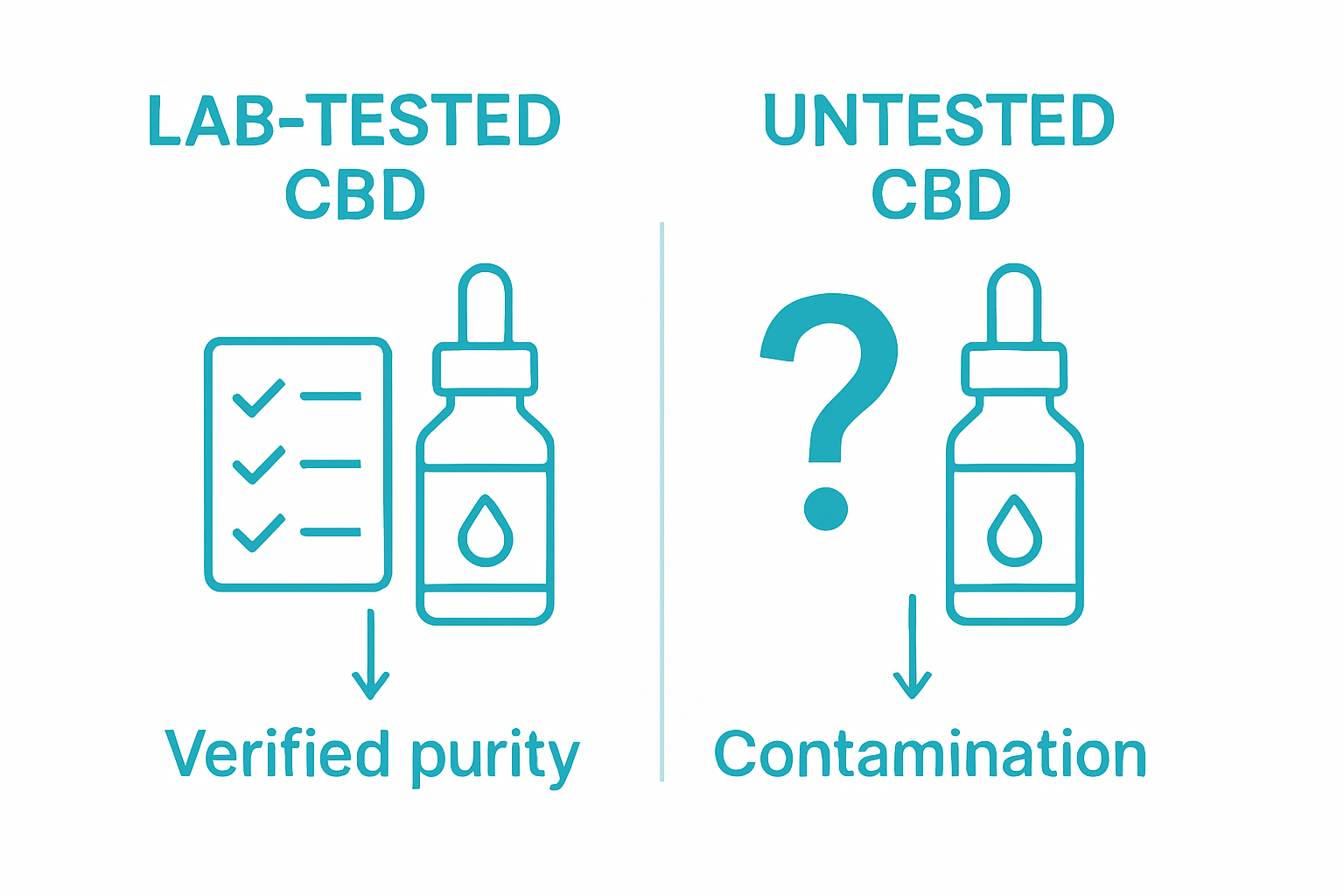
The stark contrast between tested and untested CBD products becomes evident when examining product reliability and consumer safety. Recent research indicates significant discrepancies in CBD product labeling, with nearly half of hemp-derived CBD products showing substantial variations from their stated cannabinoid concentrations. Untested CBD products essentially represent a gamble for consumers, where the actual content might dramatically differ from marketing claims.
Tested CBD products undergo rigorous scientific analysis that provides comprehensive insights into product composition. Professional laboratory testing evaluates multiple critical parameters including cannabinoid profile, potency, terpene concentration, and potential contaminant presence. Sophisticated testing techniques like high-performance liquid chromatography pinpoint exact chemical compositions, ensuring consumers receive precisely what manufacturers promise. In contrast, untested products lack this scientific verification, potentially exposing users to unknown substances or inconsistent cannabinoid levels.
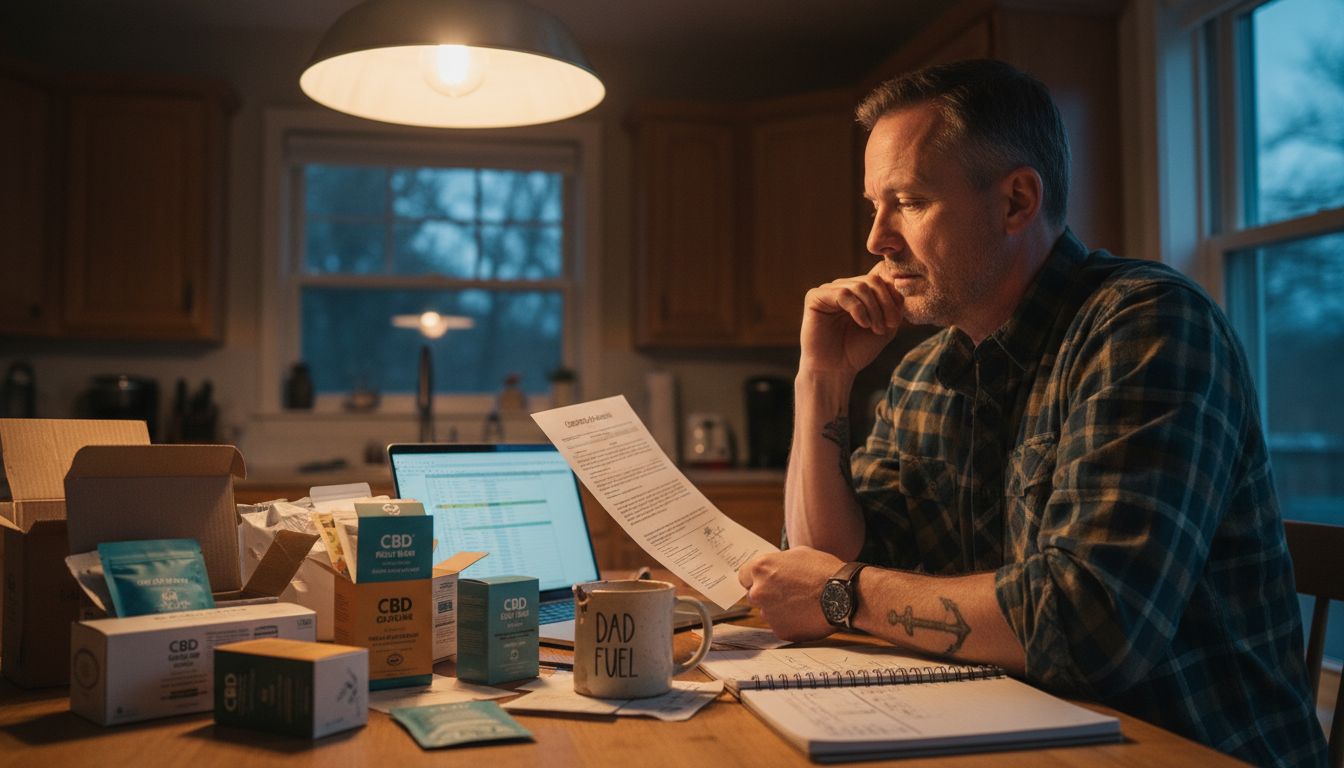
The risks associated with untested CBD extend beyond mere concentration inaccuracies. Unverified products might contain harmful contaminants such as pesticide residues, heavy metals, or microbial impurities that could pose significant health risks. Professional lab testing acts as a critical quality control mechanism, screening for these potential hazards and providing consumers with transparent, verifiable product information. Reputable manufacturers prioritize comprehensive testing as a fundamental commitment to consumer safety and product integrity.
Pro Tip for Smart Consumers: Always request and carefully review the complete certificate of analysis (COA) for any CBD product, checking not just for CBD content, but also for comprehensive screening of potential contaminants and precise cannabinoid profiles.
Here’s a comparison of the features of lab-tested versus untested CBD products:
| Aspect | Lab-Tested CBD Products | Untested CBD Products |
|---|---|---|
| Accuracy of Content | Verified by third-party labs | Unreliable and inconsistent |
| Safety Assurance | Screened for contaminants | Potential exposure to toxins |
| Label Transparency | Detailed reports available | Limited or no information |
| Legal Compliance | Meets state and federal standards | Legal risks may be present |
Decoding CBD Lab Reports and What to Look For
Lab testing protocols for CBD products represent a critical consumer protection mechanism that goes far beyond simple potency measurements. A comprehensive Certificate of Analysis (COA) serves as a detailed chemical passport for hemp products, revealing crucial information about safety, composition, and potential contaminants. Consumers should understand that these reports are not just technical documents, but essential tools for making informed purchasing decisions about hemp and CBD products.
The most critical sections of a CBD lab report include several key elements. Cannabinoid Profile offers a precise breakdown of the product’s chemical composition, detailing exact percentages of CBD, CBG, CBC, and other cannabinoids. Contaminant screening is equally important, checking for potentially harmful substances like heavy metals, pesticide residues, and microbial impurities. FDA scientific data highlights significant variability in product contents, making these comprehensive lab reports an essential resource for understanding exactly what you’re consuming.
Reading a lab report requires some technical understanding, but certain red flags are easy to spot. Look for reports from accredited third-party laboratories with clear, readable formats. Verified reports should include the laboratory’s name, testing date, batch number, and detailed analytical results. Pay special attention to sections showing pesticide testing, heavy metal screening, and microbiological contaminant analysis. A transparent report will list specific measurements for each tested component, allowing consumers to verify the product’s safety and composition.
Pro Tip for Savvy Shoppers: Always cross-reference the batch number on the lab report with the product you’re purchasing, and don’t hesitate to contact the manufacturer directly if you have questions about their testing procedures or results.
Use this quick reference to decode common sections of a CBD laboratory report:
| Lab Report Section | What It Shows | Why It Matters |
|---|---|---|
| Cannabinoid Profile | Exact percentages of key compounds | Ensures potency accuracy |
| Pesticide Screening | Detected pesticide residues | Protects consumer safety |
| Heavy Metal Analysis | Levels of metals like lead, arsenic | Avoids toxic exposure |
| Microbial Contaminant | Bacteria, mold, or yeast presence | Prevents health hazards |
Legal and Safety Standards in the U.S.
Public health warnings about untested CBD products highlight the complex regulatory landscape surrounding hemp-derived cannabinoids in the United States. The 2018 Farm Bill fundamentally transformed the legal status of hemp, legalizing products containing less than 0.3% THC, but simultaneously created a regulatory gray area that requires consumers to be exceptionally vigilant about product safety and compliance.
Federal Regulations remain somewhat ambiguous, with the FDA maintaining a cautious stance on CBD products. NORML explains that while hemp-derived CBD is technically legal, the lack of comprehensive FDA regulation means consumers must take personal responsibility for verifying product quality. This regulatory environment means that laboratory testing becomes a critical consumer protection mechanism, essentially filling the gap left by inconsistent government oversight.
The legal landscape for CBD varies significantly across different states, creating additional complexity for consumers. Some states have implemented stricter regulations than federal guidelines, requiring more comprehensive testing and quality control measures. Key legal considerations include verifying THC content (must remain below 0.3%), ensuring products are derived from agricultural hemp, and confirming that all manufacturing processes meet state and federal agricultural standards. Consumers should understand that legal compliance extends beyond simple THC percentage and encompasses a comprehensive assessment of product safety and origin.
Pro Tip for Legal Compliance: Always research your specific state’s CBD regulations and request comprehensive lab reports that demonstrate full compliance with both federal and state legal standards before purchasing any hemp-derived products.
Risks of Untested CBD and Safer Alternatives
CBD contamination poses significant health risks that many consumers remain unaware of. Untested hemp products can harbor dangerous substances including heavy metals, pesticide residues, and potentially harmful microbiological contaminants. These hidden dangers can transform what seems like a wellness product into a potential health hazard, making rigorous laboratory testing an absolute necessity for consumer safety.
The landscape of mislabeled CBD products is alarmingly widespread. Many hemp-derived products contain inaccurate concentrations of CBD and THC, creating significant risks for consumers seeking specific therapeutic or recreational experiences. Unverified products might contain substantially different cannabinoid profiles than what is advertised, potentially leading to unexpected physiological responses or legal complications if THC levels exceed permitted thresholds.
Safer alternatives to untested CBD involve a comprehensive approach to product selection. Consumers should prioritize products from reputable manufacturers who provide comprehensive, third-party laboratory certificates of analysis. These documents should detail not just cannabinoid content, but also screen for potential contaminants, offering a transparent view of the product’s composition. Choosing organic, U.S.-grown hemp, understanding extraction methods, and verifying testing protocols can significantly reduce the risks associated with unregulated CBD consumption.
Pro Tip for Smart Consumers: Always request and carefully review the complete certificate of analysis for any CBD product, checking not just for CBD content, but for comprehensive screening of potential contaminants and precise cannabinoid profiles.
Experience the Confidence of Lab Tested CBD with Full Moons Club
The article highlights the crucial challenge hemp smokers face: finding trustworthy CBD products backed by thorough lab testing to guarantee potency, purity, and safety. Many consumers struggle with inconsistent labeling and potential contaminants in untested CBD products. You deserve a smoking experience that aligns with your health goals and peace of mind. By choosing lab tested options verified through independent analysis, you eliminate guesswork and reduce exposure to harmful substances.
Full Moons Club answers this need by offering premium hemp cigarettes crafted exclusively from organic, U.S.-grown hemp that is rich in cannabinoids like CBD, CBG, and CBC. Every product comes with transparent lab testing to ensure zero THC, chemical-free smoothness, and purity you can trust. Sustainability and wellness come together in our FSC-certified paper and biodegradable filters providing a naturally relaxing and mindful ritual without tobacco or nicotine. Discover how to elevate your wellness journey with products designed for safety and quality.
Ready to switch to a lab tested, healthier hemp smoking alternative?
Explore the full selection at Full Moons Club and enjoy peace of mind knowing you are choosing rigorously tested, legally compliant hemp smokes. Take the next step toward a safer, more transparent smoking experience today by visiting Full Moons Club and embrace a tobacco-free lifestyle supported by real science.
Frequently Asked Questions
What is lab tested CBD?
Lab tested CBD refers to hemp products that have undergone independent laboratory analysis to verify their cannabinoid content, purity, and levels of potential contaminants. This testing ensures that consumers receive accurately labeled and safe products.
Why should I choose lab tested CBD over untested products?
Choosing lab tested CBD is crucial as it provides safety assurance regarding the product’s cannabinoid potency and the absence of harmful contaminants. Untested products can pose health risks and often have inaccurate labeling.
How can I read a CBD lab report?
To read a CBD lab report, look for key sections like the cannabinoid profile, which details chemical composition, and the contaminant screening results. Verified reports should include the laboratory’s name, testing date, batch number, and analytical results.
What are the risks of using untested CBD products?
Untested CBD products can contain harmful substances like heavy metals, pesticide residues, or inaccurate cannabinoid levels, posing significant health risks. These products lack verification, making them unpredictable and potentially unsafe.