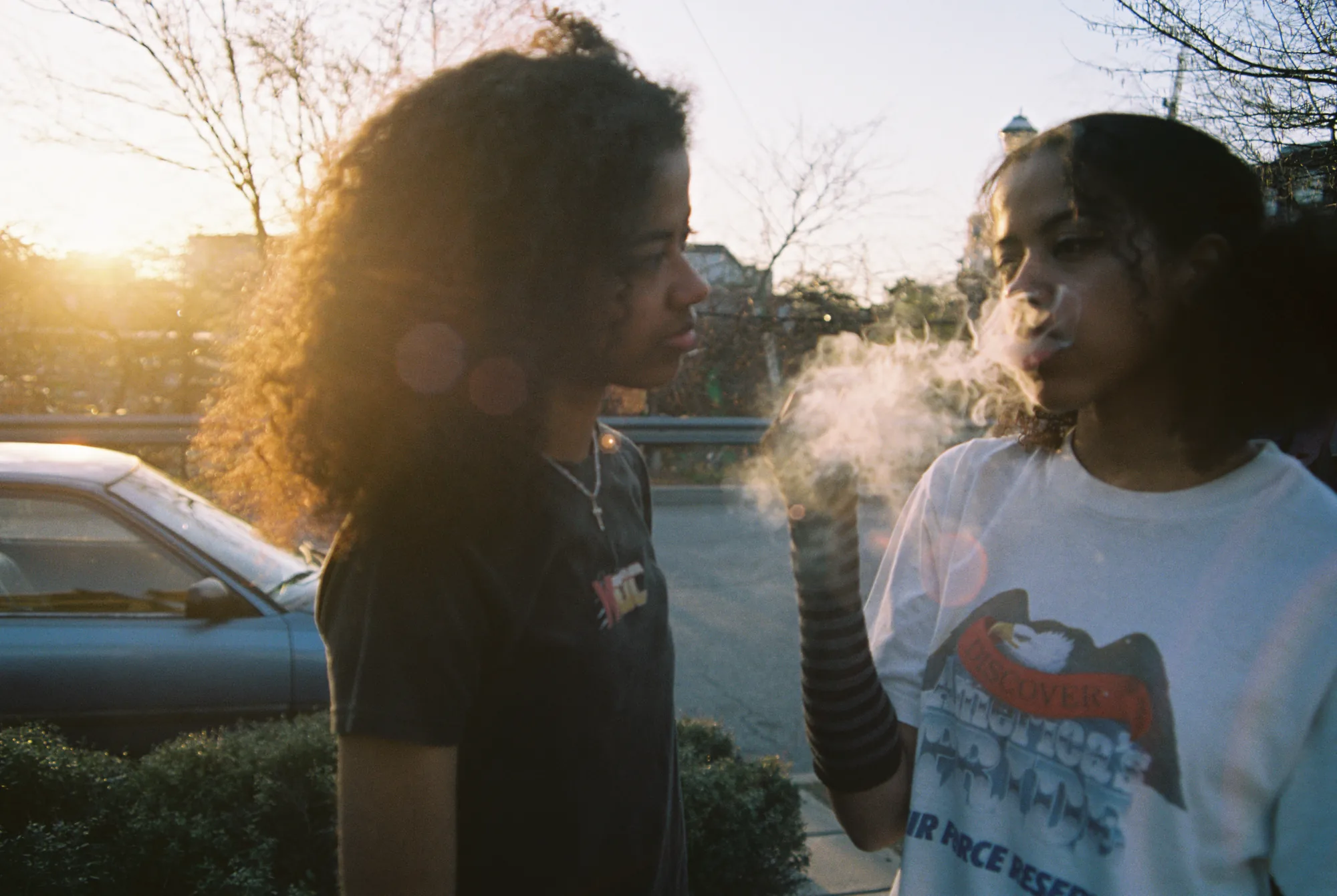
A cigarette company that helps the ground recover is a different kind of cigarette company.
This is the longer answer to why Full Moons exists.
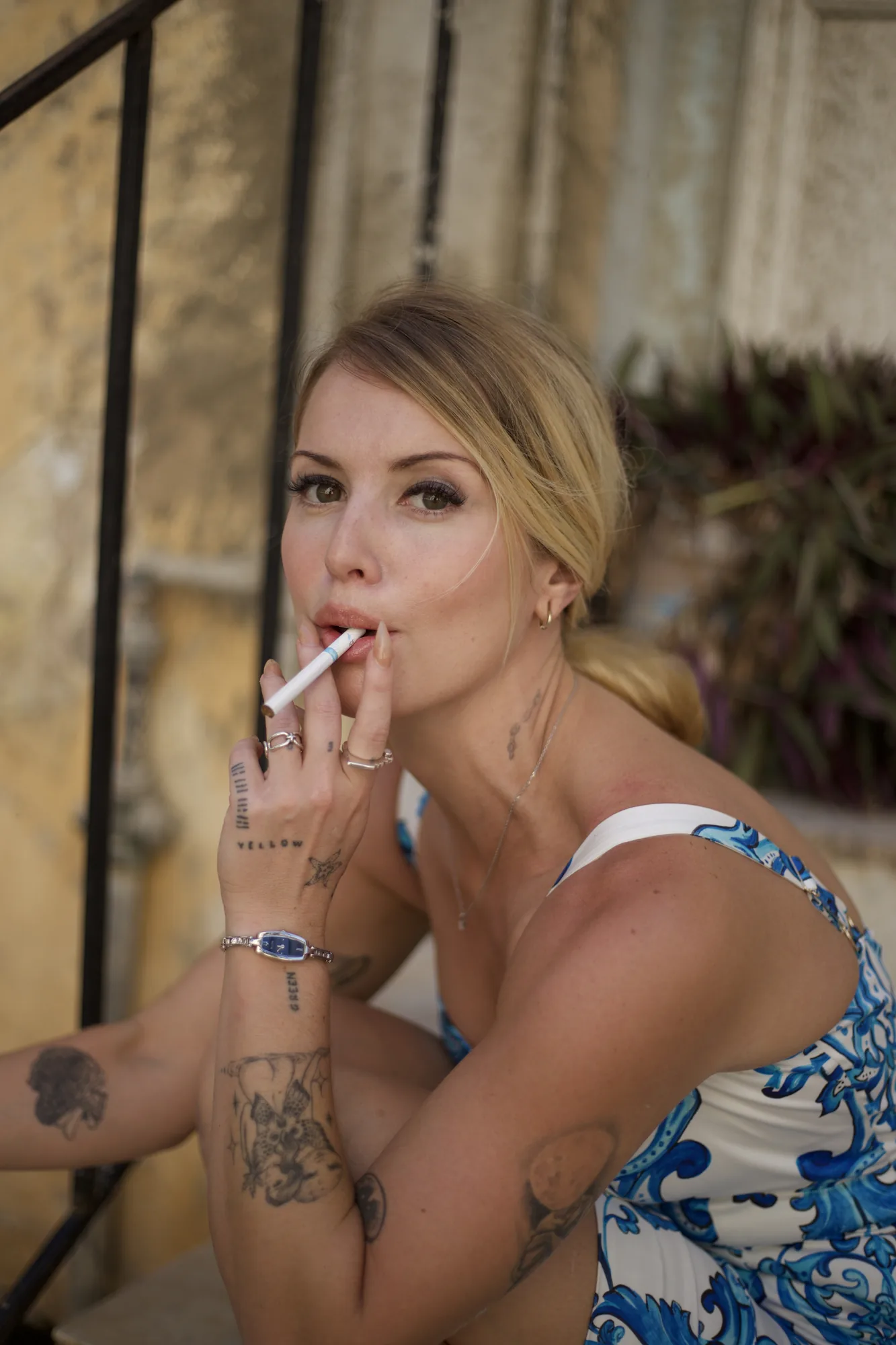
I was not looking to start a company. Something in my life shifted, and I could not stop wondering what else the plant could do.
Most companies start because a founder has a product idea. Full Moons did not start that way. It started because something in my own life shifted, and I could not stop wondering what else the plant that shifted it might be capable of.
For a long time I lived day to day. I worked on a cannabis farm in Northern California, slept in my truck, and later moved to Los Angeles. I met a chemist who put CBD tincture in my hands before I thought CBD mattered. I spent months microdosing the tincture on days I swam. Nothing about that changed overnight. What changed was slow and strange. Things in me that had been tight for years loosened.
I was not looking to start a company. A friend handed me a binder on my birthday with the paperwork for one. He said I should do something with what was happening in my body.
Honest in a category that is almost never honest.
The first version of the company was CBD oil, and then CBD cigarettes. We sourced hemp out of Oregon. We drove it to Los Angeles. We rolled cigarettes by hand, 20 cigarettes to a pack, for thirty dollars. The numbers did not work. The hours were long. We did it anyway because I wanted something that was honest in a category that is almost never honest, and because I thought accessibility mattered more than margin.
We opened the Full Moons Club Instagram in 2017. We used nudity as a brand signal because nudity is honest and quit-culture is not. We grew slowly, intentionally, on the idea that smoking could be a ritual instead of a habit.

Why the plant matters more than the product.
Here is the part I want you to take with you even if you never buy a pack.
Hemp is a phytoremediator. That is a real scientific term for a plant that cleans the ground it grows in. The roots pull heavy metals out of contaminated soil. They put oxygen and minerals back. Grown at scale, hemp regenerates the dirt underneath it instead of depleting it.
Tobacco did the opposite for a century. The same farms that grew Big Tobacco's cigarettes are the farms most in need of remediation today. Which means if the crop that replaces tobacco is hemp, the math becomes remarkable. You do not just swap a poisonous product for a cleaner one. You put the ground back together.
That is the part I cannot stop thinking about. A cigarette company that helps the ground recover is a different kind of cigarette company.
Not a quit-smoking product. Not a wellness brand. An alternative.
I have a long version of this answer and a short version.
The short version is that I want Full Moons to be a real alternative. Not a quit-smoking product, because I do not believe in telling adults what to do with their bodies. Not a wellness brand, because I am not in that industry and I do not trust it. An alternative. Something you can pick up instead of something else, for the nights you want to pick something else instead of what you usually pick.
The longer version is that I would like Full Moons to help prove, at scale, that a regenerative crop can replace an extractive one. The tobacco supply chain is one of the most industrialized crop systems on earth. If we can move even a small percentage of it onto hemp, we change the math on soil, on air, on rural labor, on public health, and on the grip of a handful of legacy companies that have had too much of all of the above for too long.
Kicked out of banks. Accounts shut down. We kept going.
I will not pretend this has been easy. I have been kicked out of banks. I have lost revenue channels. I have had accounts shut down more times than I care to remember. Building a direct-to-consumer plant brand in the United States is not for people who want quiet months.
Almost three years ago I nearly walked away. The numbers were not working. I was sitting in a basement rolling cigarettes by hand and some harder things were happening in my life. I went to Mexico to take some time to myself. While I was there I met people who had worked with Philip Morris, and through them I met a tobacco manufacturer in Virginia who was transitioning to hemp. We started talking. The numbers started working again. We brought growing, production, and packaging together under one roof. Full Moons came back.
It came back because the idea was bigger than me, and because I was not ready to be done.
Three kinds of people end up here.