

Stressful days can push even the most wellness-focused adults to search for gentle, plant-based options that fit a balanced lifestyle. As more Americans turn to natural remedies, CBD emerges as a thoughtful alternative valued for its non-intoxicating properties and ability to interact with the body’s endocannabinoid system. Discover what sets CBD apart from traditional approaches and why its roots in sustainability and wellness attract those mindful about both personal health and environmental impact.
Table of Contents
- What Is CBD and How It Works
- Types of CBD Wellness Products
- Science of CBD and the Endocannabinoid System
- 2026 Legal Status of CBD in the U.S.
- Risks, Misconceptions, and Safer Alternatives
Key Takeaways
| Point | Details |
|---|---|
| Understanding CBD | CBD is a non-psychoactive compound found in cannabis that interacts with the body’s endocannabinoid system, potentially offering various wellness benefits. |
| Product Variety | CBD products include oils, edibles, and topicals, each with different absorption rates and use cases. |
| Legal Considerations | The legality of CBD varies by state, mainly based on THC content and state regulations, requiring consumers to research compliance carefully. |
| Safety and Risks | CBD is not entirely risk-free; it may have side effects and does not guarantee universal benefits for everyone, making professional consultation essential. |
What Is CBD and How It Works
Cannabidiol (CBD) is a natural compound found in cannabis plants that has gained significant attention for its potential wellness benefits. Unlike its more famous cousin THC, CBD does not produce psychoactive effects or a “high” sensation. Instead, it interacts with the human body’s endocannabinoid system in complex and nuanced ways.
CBD can be derived from two primary sources: hemp and marijuana plants. However, legal CBD products are typically extracted from hemp, which contains less than 0.3% THC. The compound works by engaging with multiple receptor systems in the body, including:
- Cannabinoid receptors in the nervous system
- Neurotransmitter pathways
- Ion channels that regulate cellular communication
- Immune system receptors
The interaction between CBD and these biological systems suggests potential therapeutic applications. While research is still ongoing, current evidence indicates CBD might help modulate:
- Stress response
- Sleep patterns
- Pain perception
- Inflammatory processes
- Mood regulation
Scientifically, CBD functions differently from traditional medications. Rather than targeting a single pathway, it appears to work through multiple mechanisms simultaneously. This complex interaction makes CBD a unique compound with broad potential wellness applications.
Pro tip: Always consult healthcare professionals before incorporating CBD into your wellness routine, as individual responses can vary significantly.
Types of CBD Wellness Products
CBD wellness products have exploded in variety, offering consumers multiple options for incorporating this compound into their health routines. CBD products come in diverse formulations that cater to different preferences and wellness goals, ranging from oral consumption to topical applications.
The most common types of CBD wellness products include:
- Oils and Tinctures: Liquid extracts taken sublingually, allowing quick absorption
- Capsules and Softgels: Convenient, pre-measured dosages for consistent intake
- Topical Creams: Localized application for targeted relief of muscle and joint discomfort
- Edibles: Gummies, chocolates, and other food products infused with CBD
- Vape Products: Inhalable options for fast-acting effects
- Patches: Transdermal delivery for sustained, controlled release
- Cosmetic and Skincare Products: Serums, lotions, and beauty treatments
Each product type offers unique advantages and absorption methods. Bioavailability varies significantly between these formats, with some providing more efficient cannabinoid delivery than others. Factors like metabolism, individual body chemistry, and specific wellness objectives influence which product might work best.
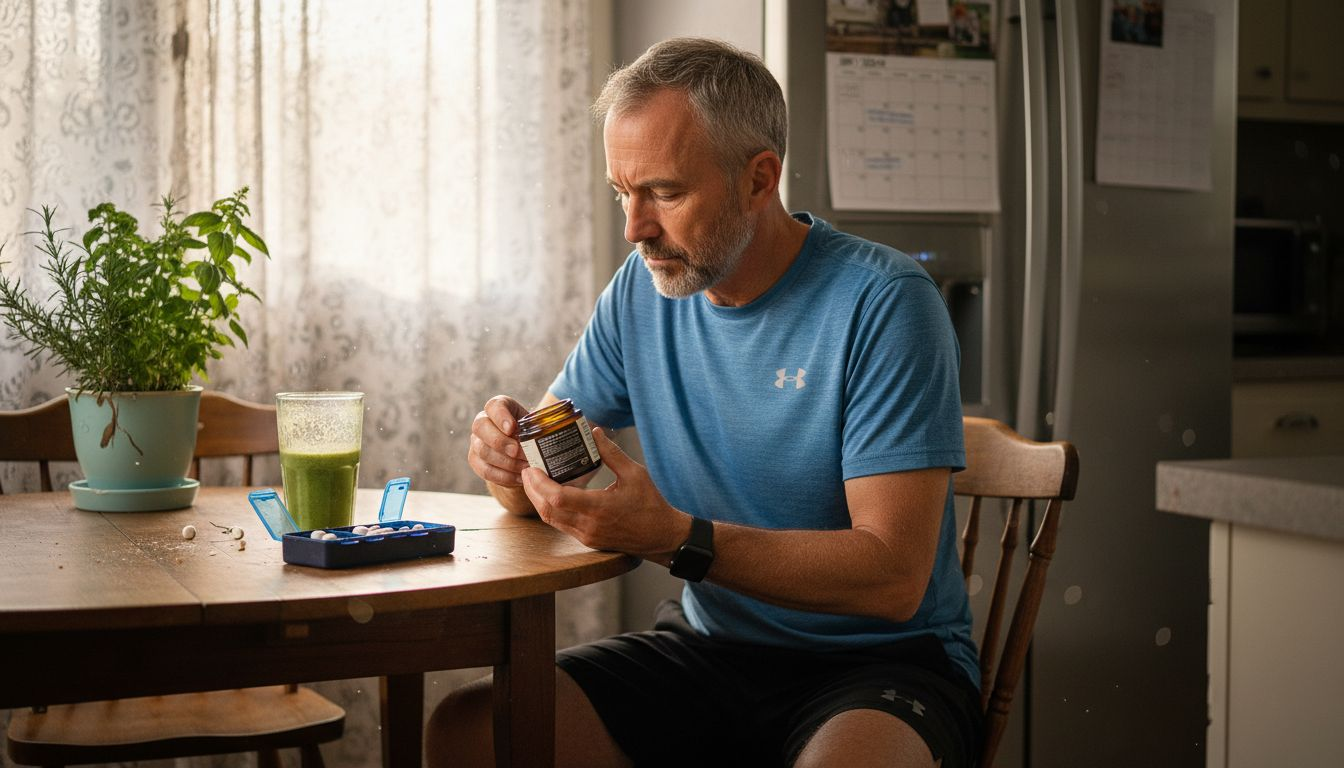
Here’s how CBD product types differ in absorption and best use cases:
| Product Type | Absorption Speed | Typical Use Case |
|---|---|---|
| Oils & Tinctures | Fast (30-45 mins) | Daily wellness, quick effects |
| Capsules & Softgels | Moderate (1-2 hrs) | Routine supplementation |
| Topical Creams | Local only | Targeted muscle or joint relief |
| Edibles | Slow (1-3 hrs) | Gradual, prolonged effect |
| Vape Products | Very fast (minutes) | Rapid onset, short duration |
| Patches | Extended (up to 24h) | Sustained symptom management |
| Skincare Products | Local only | Cosmetic skin health routines |
Concentration levels are critical when selecting CBD products. Most formulations range from 5mg to 50mg per serving, though medical-grade products might contain higher concentrations. Consumers should carefully review product labels and third-party testing results to understand exact cannabinoid content.
Pro tip: Start with low-dose products and gradually adjust your intake, paying close attention to how your body responds to different CBD formulations.
Science of CBD and the Endocannabinoid System
The human body contains a complex biological system called the endocannabinoid system (ECS), which plays a critical role in maintaining physiological balance. This ancient regulatory network influences numerous bodily functions, including mood, sleep, appetite, and immune response.
The ECS operates through three primary components:
- Cannabinoid Receptors: CB1 and CB2 receptors located throughout the body
- Endocannabinoids: Natural molecules produced by the human body
- Enzymes: Responsible for breaking down endocannabinoids
Unlike THC, CBD does not directly bind to cannabinoid receptors. Instead, it modulates the ECS through indirect mechanisms, such as:
- Inhibiting enzyme breakdown of existing endocannabinoids
- Influencing non-cannabinoid receptor systems
- Reducing inflammatory responses
- Supporting neurotransmitter balance
Receptor Interaction is complex and nuanced. CBD appears to act as a molecular signaling agent, helping the body maintain homeostasis by supporting natural regulatory processes. This unique interaction explains why CBD can potentially address multiple wellness concerns without producing psychoactive effects.
Scientific research continues to explore the intricate ways CBD interacts with the human body, revealing its potential as a multifaceted wellness compound that works with our natural biological systems.
Pro tip: Consult healthcare professionals to understand how CBD might specifically interact with your individual endocannabinoid system and overall wellness goals.
2026 Legal Status of CBD in the U.S.
The legal landscape for CBD continues to evolve, creating a complex regulatory environment across the United States. Federal and state laws interact in nuanced ways, making it crucial for consumers to understand the current regulatory framework.
Key aspects of CBD legal status in 2026 include:
- Federal Baseline: Hemp-derived CBD with less than 0.3% THC remains federally legal
- State Variation: Significant differences in regulations across states
- FDA Oversight: Continuing development of comprehensive regulatory guidelines
- Product Restrictions: Varied limitations on CBD in food, beverages, and supplements
State-Level Regulations demonstrate remarkable diversity. Currently, the national landscape shows:
- 22 states permit recreational marijuana and marijuana-derived CBD
- 15 states maintain medical marijuana programs with specific restrictions
- 13 states have more conservative hemp and CBD regulations
Consumers must navigate a challenging legal terrain. The FDA continues to develop comprehensive guidelines, while individual states maintain their own unique regulatory approaches. This patchwork of regulations means that legal compliance requires careful, location-specific research.
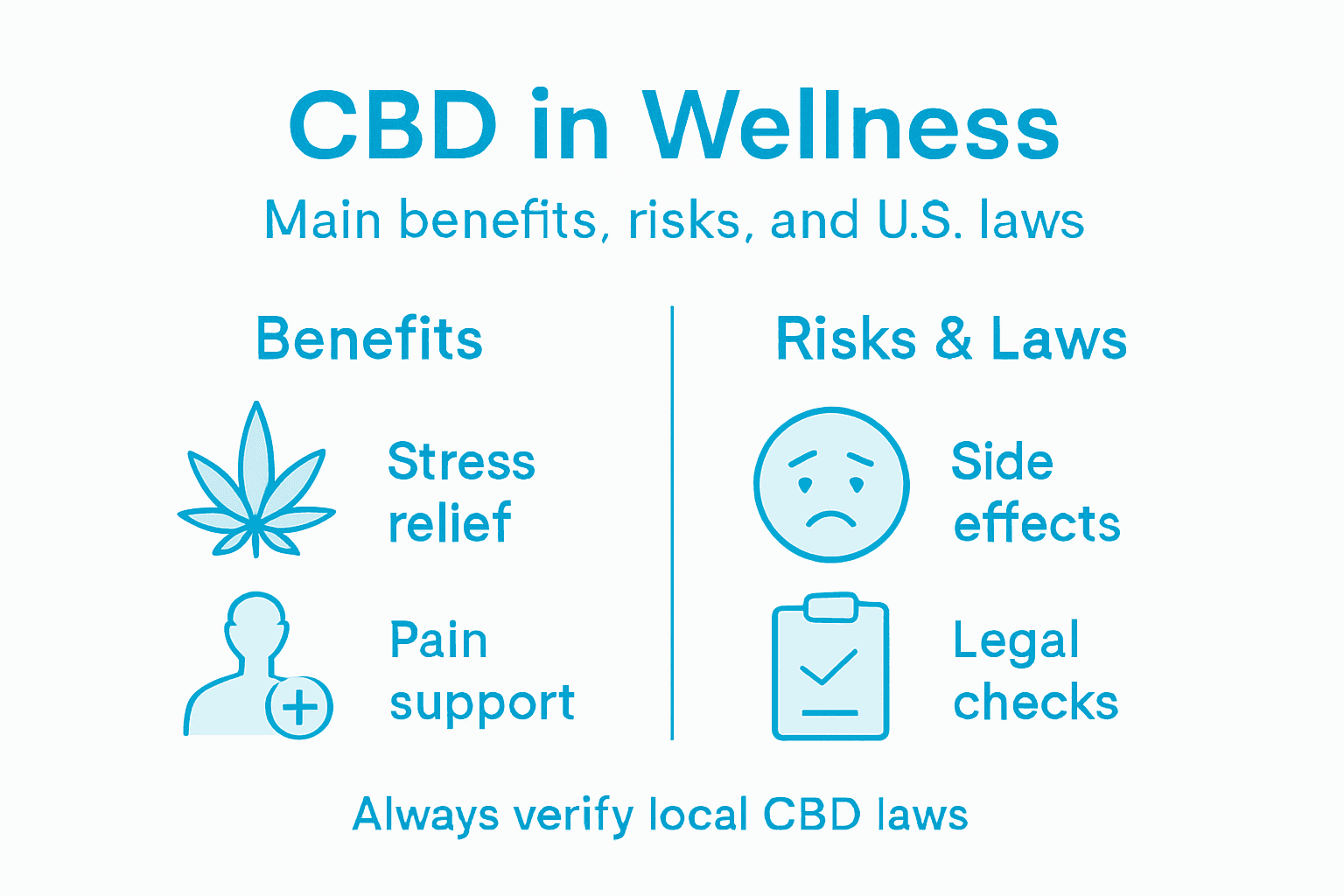
Compliance Considerations remain critical. CBD products must consistently meet:
This table summarizes key factors affecting CBD legal compliance across states:
| Compliance Factor | Why It Matters | Consumer Action Step |
|---|---|---|
| THC Content Below 0.3% | Meets federal legality | Check product lab reports |
| State-Specific Licensing | Required for legal sale | Confirm seller certification |
| Accurate Labeling | Ensures informed use | Read packaging details |
| Third-Party Testing | Validates safety and purity | Request test results |
- Third-party testing requirements
- Accurate labeling standards
- State-specific licensing regulations
- THC concentration limits
Pro tip: Always verify local CBD regulations and purchase only from licensed, reputable sources that provide complete third-party testing documentation.
Risks, Misconceptions, and Safer Alternatives
Navigating the CBD landscape requires understanding its potential risks and limitations. CBD safety involves complex medical considerations, challenging many popular misconceptions about its universal wellness benefits.
Common misconceptions about CBD include:
- Believing it is entirely risk-free
- Assuming no potential side effects exist
- Thinking it works identically for everyone
- Expecting immediate, dramatic health transformations
Potential Side Effects range from mild to significant:
- Liver enzyme changes
- Gastrointestinal disruptions
- Drowsiness and fatigue
- Potential medication interactions
- Mood and appetite fluctuations
CBD is not a universal solution. While promising for some individuals, scientific evidence remains limited for many claimed benefits. Specific populations face heightened risks, including pregnant women, breastfeeding mothers, and individuals with pre-existing liver conditions.
Safer Alternatives and Recommendations include:
- Consulting healthcare professionals before use
- Selecting FDA-approved products
- Choosing transparently tested CBD sources
- Starting with minimal dosages
- Monitoring individual bodily responses
Pro tip: Always prioritize medical guidance and choose CBD products from reputable sources with comprehensive third-party testing documentation.
Discover a Healthier Way to Enjoy CBD Wellness
The article highlights the challenges many face when navigating CBD’s wellness benefits, legal complexities, and product choices. If you are seeking a clean, natural, and reliable CBD experience without the risks of THC or harmful toxins found in traditional tobacco, Full Moons Club offers a solution tailored for your wellness journey. Our organic hemp smokes deliver cannabinoids like CBD, CBG, and CBC in a smooth and chemical-free form that supports stress relief and mindfulness, perfectly aligning with the article’s emphasis on safer alternatives and well-regulated products.
Embrace a tobacco-free lifestyle with Full Moons Club’s premium hemp cigarettes crafted from US-grown hemp and rolled in eco-friendly materials. Available exclusively at Full Moons Club, our products meet federal legal guidelines with 0% THC and provide a consistent, discreet way to incorporate CBD into your daily routine. Start your wellness-focused smoke today and experience the benefits described in Role of CBD in Wellness: Benefits, Risks, and U.S. Laws. Visit Full Moons Club now to take control of your health with a natural, trusted CBD alternative.
Frequently Asked Questions
What are the main benefits of CBD for wellness?
CBD may help modulate stress response, improve sleep patterns, manage pain perception, reduce inflammation, and regulate mood. It interacts with the body’s endocannabinoid system to promote balance and well-being.
How should I start using CBD products?
It is recommended to start with low-dose products and gradually adjust your intake while monitoring how your body responds. Consulting a healthcare professional for personalized advice is also advisable.
What are the differences between various CBD product types?
CBD products differ in absorption speed and use cases. Oils and tinctures offer fast absorption, while edibles provide a slower, prolonged effect. Topical creams target localized relief, and vape products offer rapid onset. Each type has unique advantages depending on individual needs.
Is CBD completely safe for everyone?
CBD is not risk-free and can have potential side effects such as changes in liver enzymes, gastrointestinal disruptions, and drowsiness. Specific populations, including pregnant women and individuals with liver conditions, may face heightened risks. Consulting with a healthcare professional is essential for safe use.