

What Is Organic CBD and Why Purity Matters
Most American consumers are surprised to learn that more than 50 percent of CBD products labeled as “organic” do not meet strict certification requirements. With the rising popularity of CBD in the American wellness market, confusion around what truly qualifies as organic is common. This introduction unpacks the reality behind organic CBD, debunks widespread myths, and provides the clarity necessary to make informed, confident choices.
Table of Contents
- Defining Organic CBD and Common Misconceptions
- How Organic CBD Differs From Regular CBD
- Benefits of Organic Hemp for Wellness
- Legal Status and USDA Certification Standards
- Risks of Non-Organic CBD and Safer Alternatives
Key Takeaways
| Point | Details |
|---|---|
| Organic CBD Standards | Organic CBD is cultivated without synthetic pesticides or chemical fertilizers, ensuring a clean product. |
| Certification Importance | Not all CBD labeled as organic meets the same rigorous certification standards, making consumer verification essential. |
| Health Risks of Non-Organic CBD | Non-organic CBD can expose consumers to harmful chemicals and inconsistent cannabinoid concentrations, risking health. |
| Proactive Consumer Practices | Always review lab reports and organic certifications before purchasing CBD to ensure safety and quality. |
Defining Organic CBD and Common Misconceptions
Organic CBD is far more than a trendy wellness buzzword. It represents a rigorous cultivation and extraction process that prioritizes purity, sustainability, and consumer health. Organic standards for CBD require hemp plants to be grown without synthetic pesticides, herbicides, or chemical fertilizers, ensuring a clean and natural product.
Many consumers mistakenly believe that all CBD products labeled “organic” meet the same strict standards. However, the reality is more complex. Not all CBD products undergo the same comprehensive certification process. Authentic organic CBD must be cultivated in soil free from prohibited substances for at least three years and processed using approved organic extraction methods. This means no synthetic chemicals can touch the plants during growth or extraction.
The key differentiators of organic CBD include:
- Strict soil management practices
- Prohibition of synthetic pesticides
- Controlled seed selection
- Transparent third-party certification
- Environmentally sustainable farming techniques
Understanding these nuances helps consumers make informed choices about the CBD products they purchase. By prioritizing organic hemp cultivation standards, you can ensure you’re consuming a product that meets the highest quality and purity requirements.
Pro Tip: Organic Verification: Always request and review the organic certification documentation from CBD manufacturers to confirm their claims of organic status.
How Organic CBD Differs From Regular CBD
The distinctions between organic and regular CBD run far deeper than a simple label. Comprehensive product testing reveals critical differences in purity, safety, and overall quality that consumers must understand. Organic CBD undergoes rigorous certification processes that guarantee the elimination of harmful chemicals, pesticides, and potential contaminants throughout cultivation and extraction.
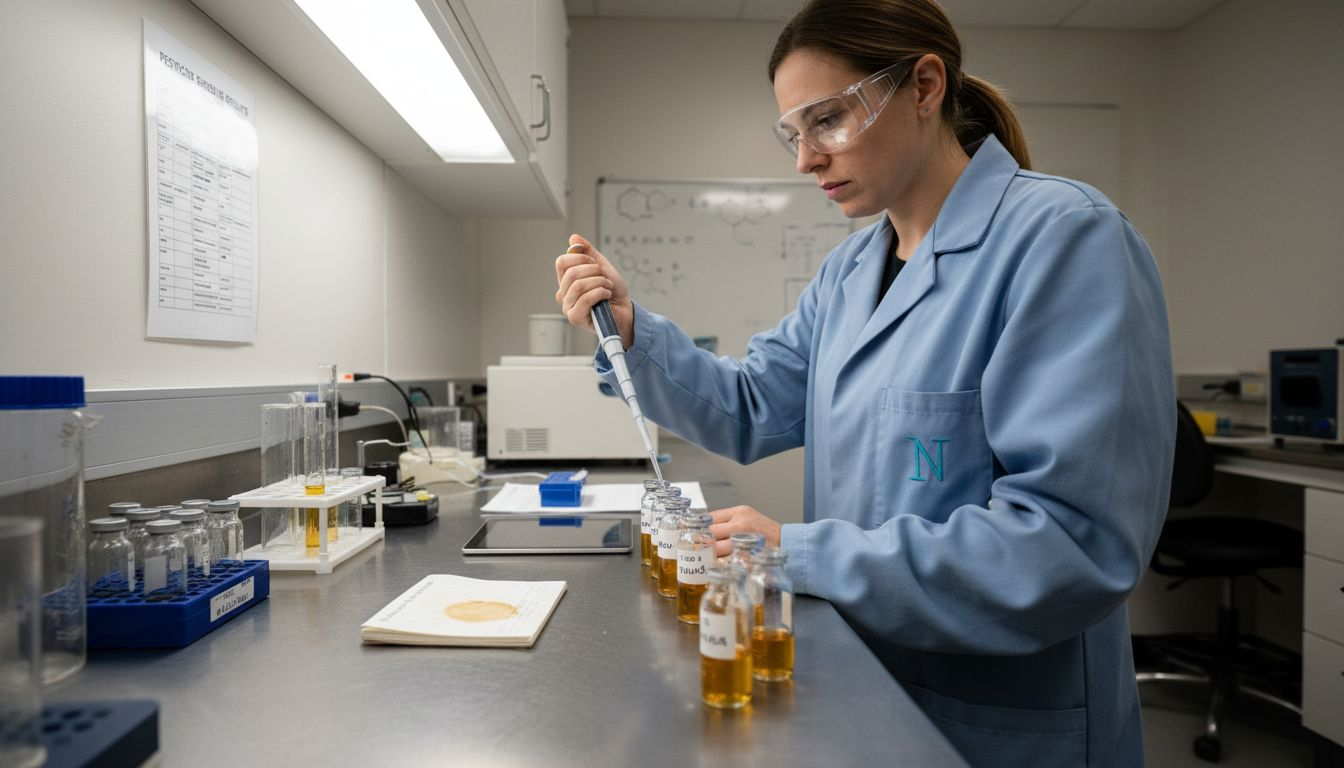
Regular CBD products often lack the stringent oversight that organic certifications demand. This means non-organic hemp might be grown using synthetic pesticides, chemical fertilizers, and potentially exposed to environmental toxins that can compromise the final product’s integrity. Organic CBD producers must demonstrate compliance with strict agricultural standards, ensuring that every stage of production prioritizes consumer health and environmental sustainability.
Key differences between organic and regular CBD include:
- Soil quality and management
- Pesticide and chemical usage
- Extraction method purity
- Comprehensive third-party testing
- Environmental impact considerations
Consumers seeking precise CBD wellness insights should prioritize organic options that provide transparent documentation of their cultivation and processing methods. The additional verification steps in organic certification create a higher standard of product safety and quality.
Pro Tip: Quality Verification: Request detailed lab reports and organic certification documents directly from CBD manufacturers to confirm the product’s authentic organic status and purity standards.
Here’s a side-by-side look at critical distinctions between organic and regular CBD:
| Criteria | Organic CBD | Regular CBD |
|---|---|---|
| Farming Practices | Uses natural methods, avoids chemicals | Allows synthetic pesticides |
| Certification | Third-party, USDA-required | Often uncertified, minimal oversight |
| Consumer Transparency | Lab reports and certification provided | Limited product documentation |
| Health Risk | Minimizes contaminants and toxins | Increased exposure to impurities |
Benefits of Organic Hemp for Wellness
Organic hemp represents a holistic approach to wellness that extends far beyond simple consumption. Comprehensive health screening confirms that organic hemp products offer significant advantages for physical and mental well-being, primarily by eliminating exposure to harmful synthetic chemicals and environmental contaminants.
The wellness benefits of organic hemp are multifaceted. By prioritizing natural cultivation methods, these products preserve the plant’s inherent nutritional profile and therapeutic potential. This means consumers receive a more pure, potent form of hemp that supports various aspects of health, including stress reduction, potential inflammation management, and overall cellular support. Unlike conventionally grown hemp, organic varieties are cultivated without synthetic pesticides, ensuring a cleaner, more natural product.
Key wellness advantages of organic hemp include:
- Enhanced cannabinoid preservation
- Reduced exposure to toxic agricultural chemicals
- Higher nutrient density
- Improved environmental sustainability
- Potential improved bioavailability of active compounds
Consumers interested in holistic hemp wellness approaches can benefit from understanding how organic cultivation practices directly impact product quality. The meticulous care taken in organic hemp production translates to a more refined, health-conscious product that supports both personal wellness and environmental responsibility.
Pro Tip: Wellness Selection: Always verify the organic certification and request third-party lab testing results to ensure you are consuming the highest quality organic hemp products.
Legal Status and USDA Certification Standards
Navigation of legal hemp certification requires understanding the complex regulatory landscape surrounding organic hemp products. Rigorous organic verification processes ensure that consumers receive products meeting strict federal standards, with the United States Department of Agriculture (USDA) playing a critical role in maintaining product integrity and safety.
The USDA organic certification represents the gold standard for hemp products, demanding comprehensive compliance with federal organic regulations. This certification prohibits the use of synthetic solvents, chemical pesticides, and ensures transparent agricultural practices. Manufacturers must demonstrate meticulous documentation proving their hemp cultivation adheres to stringent environmental and processing guidelines, which include soil quality management, seed selection, and sustainable farming techniques.
Key aspects of USDA organic certification for hemp include:
- Comprehensive agricultural practice documentation
- Prohibition of synthetic chemical interventions
- Regular third-party agricultural inspections
- Strict tracking of cultivation and processing methods
- Environmental sustainability requirements
Consumers seeking authoritative hemp production insights should recognize that not all products claiming organic status meet official USDA standards. Fraudulent organic claims remain prevalent, making independent verification crucial for those committed to consuming genuinely certified organic hemp products.
Pro Tip: Certification Verification: Always request and independently verify the USDA organic certification number directly with the certifying agency before purchasing hemp products.
Review these benefits of choosing USDA-certified organic hemp:
| Benefit | Why It Matters | Impact on Consumers |
|---|---|---|
| Rigorous Certification | Ensures compliance with strict rules | Greater product trust and safety |
| Chemical-Free Guarantee | No harmful pesticides or solvents | Reduced risk of health complications |
| Farming Sustainability | Environmental stewardship enforced | Supports eco-friendly practices |
| Traceability | Full documentation of production | Easier quality verification |
Risks of Non-Organic CBD and Safer Alternatives
Non-organic CBD products pose significant health risks that many consumers overlook. Comprehensive product testing standards reveal alarming potential for contamination, including exposure to synthetic pesticides, heavy metals, and harmful chemical residues that can compromise overall wellness and personal safety.
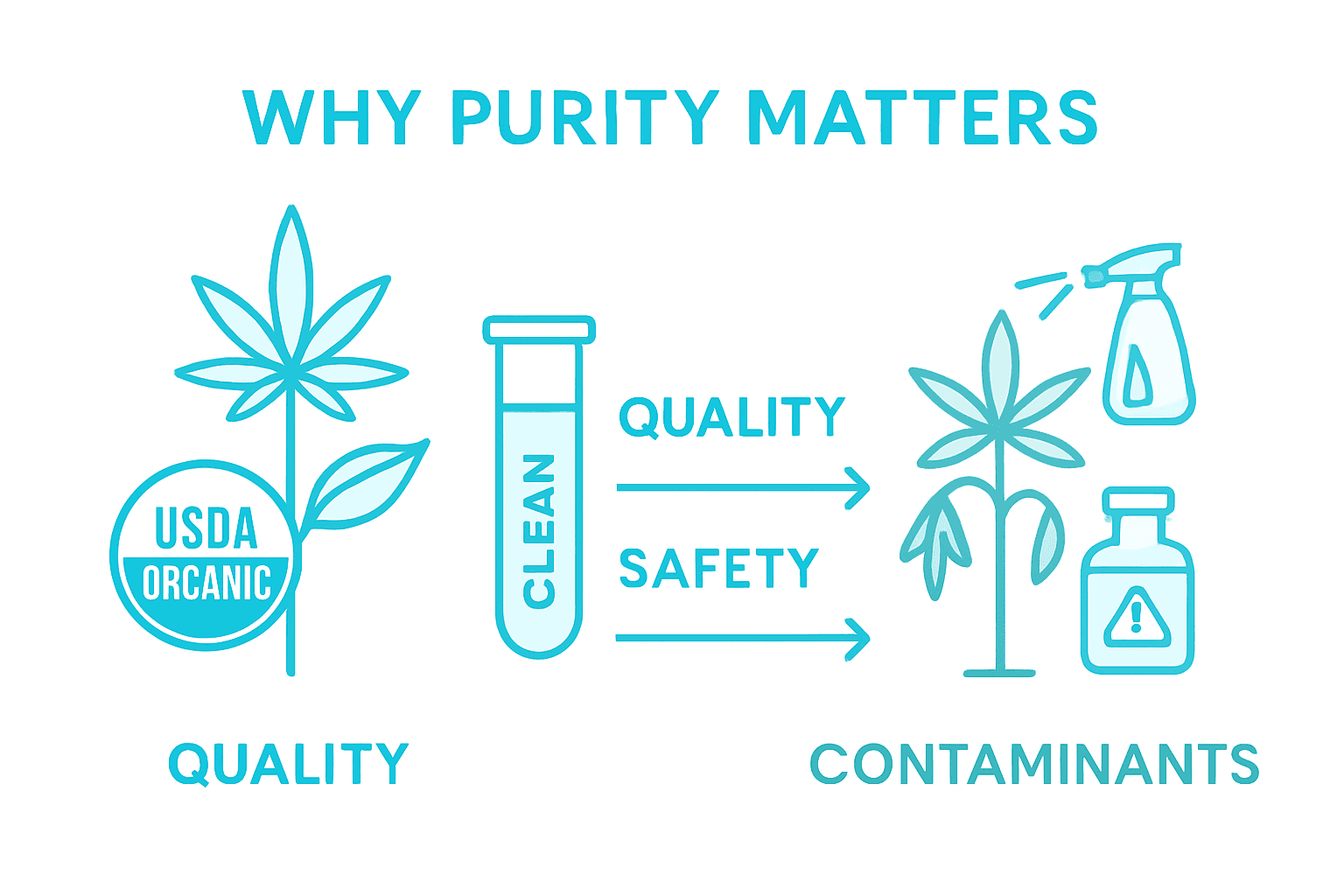
The dangers of non-organic CBD extend beyond simple contamination. Inconsistent manufacturing processes mean these products frequently contain mislabeled cannabinoid concentrations, potentially exposing consumers to unexpected THC levels or significantly reduced therapeutic compounds. Unregulated hemp cultivation can introduce environmental toxins, residual solvents, and agricultural chemicals that accumulate in the final product, creating potential long-term health complications.
Key risks associated with non-organic CBD include:
- Potential pesticide exposure
- Inconsistent cannabinoid concentrations
- Higher likelihood of heavy metal contamination
- Unpredictable extraction method residues
- Reduced overall product quality and effectiveness
Consumers seeking reliable hemp smoking alternatives should prioritize products with transparent third-party testing, clear Certificates of Analysis, and verifiable organic certifications. The additional investment in high-quality, organic CBD products represents a crucial step in protecting personal health and ensuring a safe, consistent experience.
Pro Tip: Safety Selection: Always request and carefully review independent lab testing results and organic certifications before purchasing any CBD product.
Choose Pure Organic CBD for a Healthier Hemp Experience
The article highlights the crucial need to avoid harmful pesticides and contaminants often found in non-organic CBD. If you value purity, sustainable farming, and transparent third-party testing, then an organic CBD product is the clear choice. Full Moons Club offers a premium selection of hemp cigarettes crafted from organic U.S.-grown hemp free from synthetic chemicals. Enjoy a natural, chemical-free smoking alternative designed to support wellness and mindfulness without exposing yourself to unwanted toxins.
Discover how our CBD smokes, hemp cigarettes, and herbal alternatives can elevate your routine with eco-friendly materials and federally legal, 0% THC formulations. For a truly transparent and quality-driven hemp experience, explore our curated collection today.
Ready to embrace a cleaner hemp lifestyle with pure organic CBD products That promote wellness and relaxation Visit CBD Cigarettes, Lighters & Totes for Sale - Full Moons Club to browse our premium offerings and learn more at Full Moons Club. Take control of your hemp journey now with trusted products made for your health and peace of mind.
Frequently Asked Questions
What is organic CBD?
Organic CBD refers to cannabidiol products derived from hemp plants grown under strict organic standards, which prohibit synthetic pesticides, chemicals, and GMOs during cultivation.
How does organic CBD differ from regular CBD?
Organic CBD is certified to meet stringent agricultural standards, ensuring no harmful chemicals are used, while regular CBD may be produced with synthetic pesticides and unregulated practices that can compromise product purity and safety.
Why is purity important in CBD products?
Purity is crucial because it minimizes exposure to contaminants such as pesticides and heavy metals, ensuring that the product is safe and effective for consumer health and wellness.
How can I verify if a CBD product is truly organic?
To confirm a CBD product’s organic status, request organic certification documentation and third-party lab testing results from the manufacturer, ensuring compliance with USDA organic standards.
