

Choosing a natural, tobacco-free alternative can feel risky when labels alone do not reveal the complete story. For American adults who care about wellness and purity, understanding what is truly in a CBD product—and that it matches what the package claims—makes all the difference. Third party testing provides the unbiased reassurance your body deserves, offering transparency and peace of mind that your chosen hemp cigarettes have been independently verified for both safety and quality.
Table of Contents
- Defining Third Party Testing In Cbd
- Types Of Cbd Product Testing Explained
- How Third Party Labs Verify Safety And Purity
- Legal Requirements For Cbd Testing In The U.S.
- Risks Of Unverified Cbd And Common Industry Pitfalls
Key Takeaways
| Point | Details |
|---|---|
| Third Party Testing Is Essential | Independent lab verification ensures CBD products contain the claimed cannabinoid levels and are free from harmful contaminants. |
| Importance of Certificate of Analysis (COA) | A COA provides transparency regarding cannabinoid profiles and safety testing, allowing consumers to make informed decisions. |
| Legal Compliance Is Mandatory | Federal laws require CBD products to be tested for THC levels and contaminants, emphasizing the need for thorough compliance documentation. |
| Avoid Unverified Products | Choosing untested CBD products poses health risks; always seek third party testing documentation to ensure product integrity. |
Defining Third Party Testing in CBD
Third party testing means an independent laboratory that has no financial stake in a CBD product’s sales analyzes it to verify what’s actually inside the package. Think of it like hiring an unbiased inspector to verify a house before you buy it. The lab tests whether the CBD content matches what the label claims, checks for harmful contaminants, and confirms the product’s overall quality. When you see a Certificate of Analysis (COA) on a product, that’s proof the independent lab completed this verification work.
Here’s what makes third party testing different from manufacturer testing. A company could theoretically test its own products and report favorable results, but that creates an obvious conflict of interest. An independent laboratory testing CBD products brings objectivity to the equation. The FDA recognizes this importance and emphasizes that third party testing verifies product identity, strength, purity, and quality in cannabis derived compounds. These labs use standardized scientific methods to measure exact cannabinoid levels, identify potential contaminants like heavy metals or pesticides, and confirm that THC levels stay within legal limits (0.3% or lower for federally compliant hemp products).
When shopping for CBD smokes or hemp cigarettes, many brands now provide a QR code on the packaging that links directly to their product’s Certificate of Analysis. This code gives you instant access to the lab’s findings. The report shows specific cannabinoid profiles (CBD, CBG, CBC content), confirms the absence of harmful substances, and verifies batch numbers so you know exactly which production run your package came from. This transparency matters because you’re putting these products into your body. Unlike traditional tobacco cigarettes that carry inherent health risks, quality hemp cigarettes depend entirely on clean sourcing and rigorous testing to deliver the wellness benefits you’re seeking.
Many consumers overlook this detail, but the lab performing the test matters as much as the test itself. Reputable third party labs maintain accreditation through recognized standards bodies and operate with complete independence from the manufacturers they test. When you’re evaluating CBD products for stress relief, relaxation, or wellness rituals, asking for proof of third party testing isn’t overcautious. It’s the baseline standard that separates premium quality products from untested alternatives.
Pro tip: Before purchasing any CBD smoke product, request the Certificate of Analysis or scan the QR code on the package to review the lab results, ensuring the cannabinoid content and contaminant testing align with your wellness expectations.
Types of CBD Product Testing Explained
CBD product testing isn’t a single checkbox. Labs run multiple distinct tests, each targeting different quality factors. Potency testing measures the actual amount of cannabinoids in your product, confirming that a CBD smoke labeled as containing 100mg actually delivers close to that amount. Contaminant testing hunts for substances you definitely don’t want inhaled, including pesticides, heavy metals like lead and cadmium, microbial contaminants such as bacteria and mold, residual solvents from extraction processes, and mycotoxins produced by fungi. The FDA recognizes these categories as essential components of product safety, and reputable third party labs test for all of them systematically.
The actual testing process uses sophisticated chemistry equipment. Labs employ advanced analytical methods like chromatography and mass spectrometry to break down exactly what’s in your hemp cigarettes. Gas chromatography separates cannabinoids by their chemical properties, while mass spectrometry identifies the specific molecular weight of each compound. This combination lets labs distinguish between CBD, CBG, CBC, and other cannabinoids in your product. They can also detect synthetic cannabinoids that some manufacturers might add illegally. For someone choosing CBD smokes for wellness and relaxation, this precision matters because it guarantees you’re getting legitimate hemp compounds, not laboratory creations masquerading as natural cannabinoids.
Different tests reveal different information. Microbial testing checks for E. coli, salmonella, and fungi that could cause illness if inhaled. Heavy metal testing ensures no accumulation of toxic elements that the hemp plant absorbed from soil. Residual solvent testing confirms that extraction processes didn’t leave behind harmful chemical traces. Mycotoxin testing catches mold byproducts that could damage respiratory health. When you see a Certificate of Analysis, it typically reports results across all these categories, giving you a complete picture of product safety. The best third party labs test for the full spectrum of contaminants rather than just checking a few boxes.
You’ll notice some labs test more thoroughly than others. Premium brands often exceed minimum testing requirements, checking for additional compounds or running tests multiple times across batches. When evaluating hemp cigarettes or CBD smokes, compare the comprehensiveness of testing results. A thorough Certificate of Analysis shows specific detection limits (how sensitive the test was), batch numbers, testing dates, and accreditation information for the laboratory. This transparency indicates a manufacturer confident enough to let independent science verify their quality claims.
Here’s a side-by-side look at common CBD product tests and what each test protects against:
| Test Type | What It Detects | Consumer Protection |
|---|---|---|
| Potency Testing | CBD, THC, other cannabinoid levels | Verifies accurate labeling and dosage |
| Heavy Metal Testing | Lead, cadmium, arsenic, mercury | Prevents toxic metal exposure |
| Pesticide Testing | Chemical residues from farming | Reduces risk of chemical inhalation |
| Microbial Testing | Bacteria, mold, fungi | Limits risk of infection or illness |
| Residual Solvent Testing | Extraction chemical leftovers | Ensures chemical-free final product |
| Mycotoxin Testing | Mold toxins | Protects respiratory health |
Pro tip: Look for Certificates of Analysis that include detection limits and accreditation details, not just “passed” or “failed” results, as this reveals the depth and credibility of the testing performed on your CBD product.
How Third Party Labs Verify Safety and Purity
Third party labs don’t just run a quick test and call it done. They follow rigorous, standardized protocols designed to catch everything that could compromise your health or wellness. When a lab receives a CBD smoke sample, technicians begin with chain of custody documentation, recording exactly who handled the product and when. This prevents tampering and ensures the sample tested is actually the product you’d purchase. The lab then conducts multiple simultaneous analyses, each targeting specific safety concerns. The process is methodical, reproducible, and designed to produce results that hold up under scrutiny.
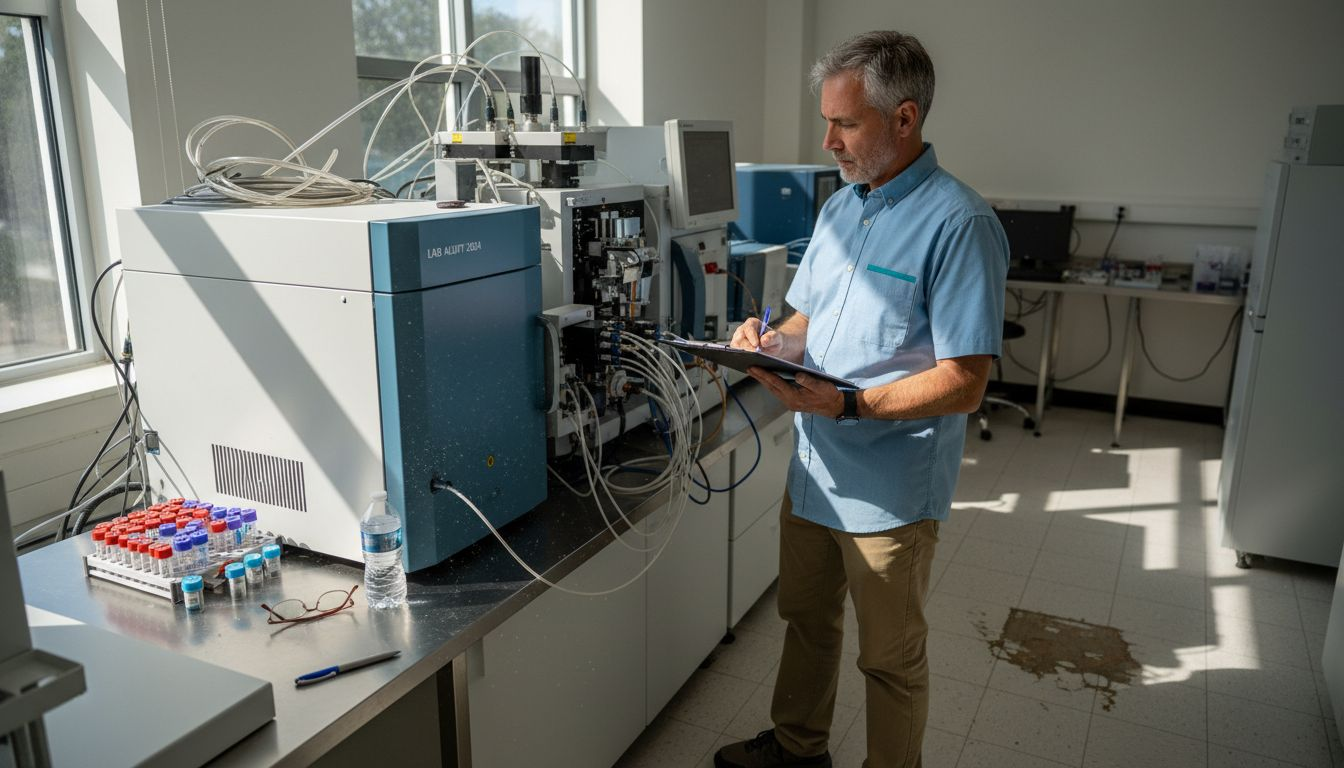
The actual verification happens through validated analytical methods like liquid chromatography and mass spectrometry. Liquid chromatography separates compounds by their chemical properties, identifying each cannabinoid and contaminant present. Mass spectrometry then confirms the molecular weight and structure of each compound, eliminating false positives. Together, these techniques create a complete chemical fingerprint of your product. Reputable labs don’t rely on single tests or shortcuts. They run multiple replicates to ensure results are consistent. If one test shows trace amounts of a pesticide, they run additional confirmations to verify the finding before reporting it. This redundancy matters because a single error could mislead consumers about product safety.
Beyond cannabinoid identification, labs verify purity through comprehensive contamination screening. The FDA recommends independent labs screen for harmful pesticides, heavy metals like lead and arsenic, microbial contamination including bacteria and mold, and residual solvents from extraction processes. Each contamination category requires different testing methods. Heavy metal analysis uses inductively coupled plasma mass spectrometry, which can detect metals at extraordinarily low concentrations. Microbial testing involves culturing samples to grow any present bacteria or fungi, then identifying what species exist. Pesticide screening uses gas chromatography paired with flame photometric detection. For someone choosing hemp cigarettes for stress relief or wellness rituals, this comprehensive approach ensures you’re not inhaling pesticides that could accumulate in your lungs over time.
Quality assurance protocols distinguish premium labs from basic testing facilities. Accredited labs maintain internal standards, run regular calibration checks on their equipment, and participate in proficiency testing where they analyze blind samples alongside other labs to verify accuracy. They document all procedures in standard operating manuals and maintain detailed records. When you examine a Certificate of Analysis from a reputable lab, you’re seeing the output of a system designed for transparency and reliability. The lab’s accreditation status, often listed on the certificate, indicates they’ve met recognized standards set by organizations that oversee analytical chemistry. This accreditation means the lab’s methods have been independently verified and their equipment regularly inspected.
Pro tip: Check if the testing lab holds ISO or other recognized accreditation, and verify they list detection limits on the Certificate of Analysis, as these indicators confirm the lab uses validated methods and maintains rigorous quality standards.
Legal Requirements for CBD Testing in the U.S.
CBD testing isn’t optional in the United States. It’s a federal requirement backed by law. The 2018 Farm Bill legalized hemp-derived CBD, but with a critical condition: products must contain less than 0.3% THC by dry weight. Testing verifies this compliance. Without proof that a CBD smoke meets this threshold, the product is technically illegal to sell, regardless of the manufacturer’s claims. The USDA oversees hemp production standards, while the FDA regulates how CBD products are tested, labeled, and marketed. State governments layer additional requirements on top of federal rules, creating a complex regulatory landscape where one test result might satisfy federal law but fail to meet stricter state standards.
Federal law through the 2018 Farm Bill requires hemp-derived CBD testing to ensure THC compliance and verify products are free from contaminants. Beyond THC limits, testing requirements mandate screening for pesticides, heavy metals, microbial contamination, and residual solvents. These aren’t suggestions. They’re legal obligations. Manufacturers must document that their products have been tested by qualified facilities and meet established safety standards. The FDA requires this testing data be made available to consumers, typically through the Certificate of Analysis. If a CBD smoke product lacks testing documentation or shows THC levels above the legal limit, the company selling it faces federal enforcement action, which can include product seizure and civil penalties.
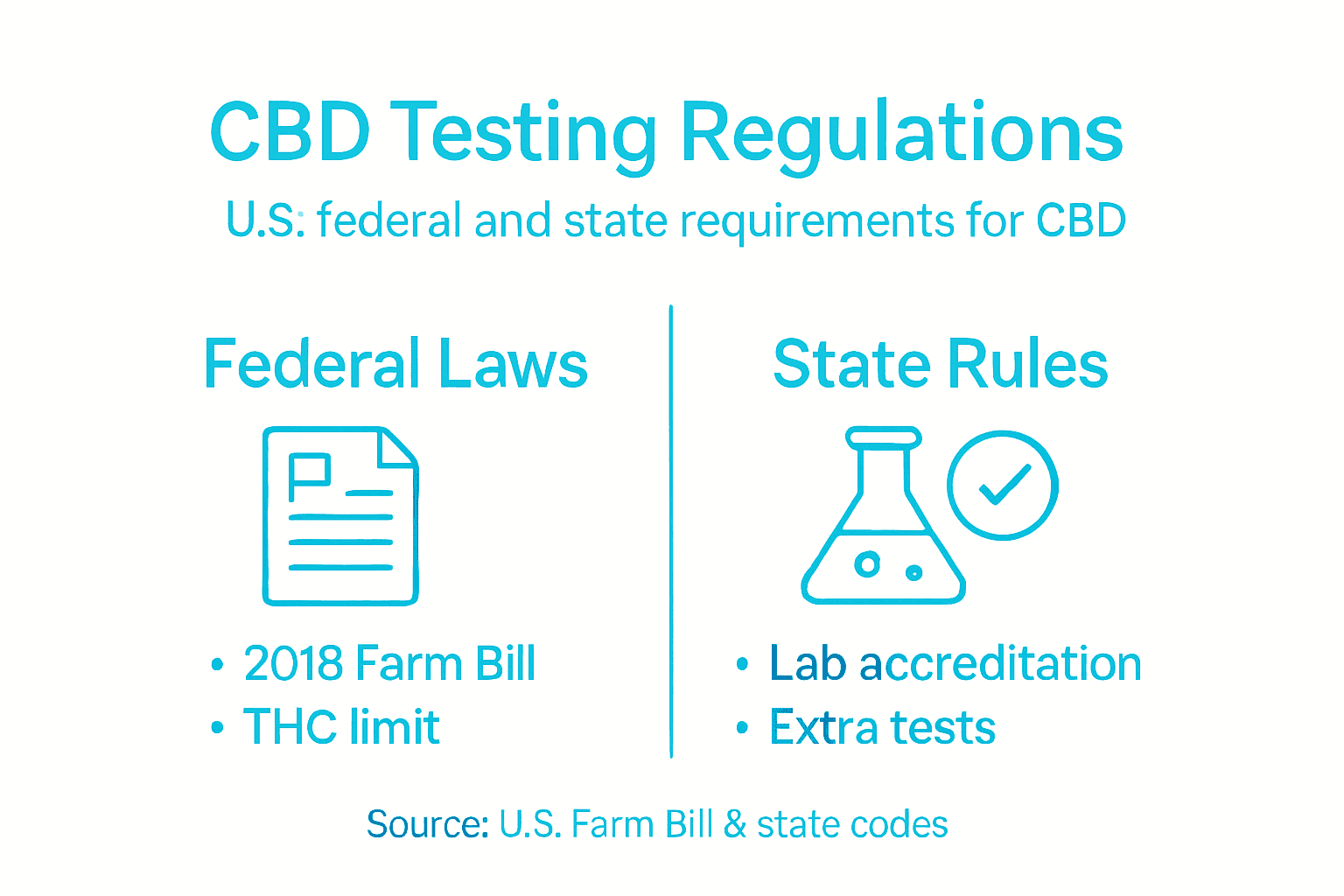
State regulations often exceed federal minimums. Some states require testing by labs accredited under specific programs. Others mandate testing at multiple points in the supply chain, not just the final product. A few states prohibit CBD products entirely or restrict them to pharmaceutical use. This creates a patchwork where a CBD smoke legal in Colorado might violate regulations in another state. For health-conscious consumers choosing CBD for wellness and relaxation, this legal complexity matters because it determines whether the products you’re buying were manufactured under legitimate oversight or by companies cutting corners. When a brand provides comprehensive testing documentation and third party verification, they’re demonstrating compliance with both federal law and state regulations.
Good manufacturing practice standards represent another testing requirement layer. The FDA emphasizes that CBD products must comply with good manufacturing practice standards under the Federal Food, Drug, and Cosmetic Act. This means facilities must maintain documented processes, conduct employee training, and implement quality control measures. Testing validates that these practices actually work. A company claiming to follow good manufacturing practices needs testing data to prove their processes prevent contamination and ensure product consistency. For consumers, this means brands offering comprehensive testing documentation and transparent manufacturing details are operating within legal requirements and demonstrating accountability to regulatory agencies.
This summary shows how federal and state legal standards differ for CBD product testing:
| Regulatory Level | Required Tests | Additional Requirements |
|---|---|---|
| Federal (USDA/FDA) | THC, contaminants | Must publish Certificate of Analysis |
| State | May add extra tests | Often require accredited labs, stricter THC limits |
| Manufacturer | Internal audits, GMP | Must prove processes prevent contamination |
Pro tip: Before purchasing any CBD smoke product, verify the brand provides current third party testing documentation that explicitly states THC content below 0.3% and includes accreditation details for the testing lab, confirming legal compliance.
Risks of Unverified CBD and Common Industry Pitfalls
Unverified CBD products create real health risks. Without third party testing, you have no way to know what you’re actually consuming. A product labeled as “pure CBD hemp cigarettes” could contain excess THC that affects your mental clarity, unwanted contaminants that damage your lungs, or CBD amounts wildly different from what the label claims. The CBD industry has minimal FDA oversight compared to pharmaceutical products, which means manufacturers can make claims with little evidence backing them up. This regulatory gap has created a wild west environment where some brands prioritize profit over consumer safety. Health-conscious adults seeking natural alternatives to tobacco deserve better than gambling on unverified products.
Labeling inaccuracy is shockingly common. Research shows the majority of non-prescription CBD products contain incorrect amounts of CBD compared to what labels claim, with many containing measurable THC despite claims of zero THC content. A product might promise 100mg of CBD but actually deliver 45mg or 180mg. This creates two problems. First, if you’re seeking stress relief or relaxation benefits, underdosed products won’t deliver results, leaving you frustrated and thinking CBD doesn’t work for you. Second, overdosed products might cause unwanted side effects. THC contamination presents an even more serious concern. Someone choosing CBD specifically to avoid intoxication could unknowingly consume enough THC to fail a workplace drug test or experience impaired judgment.
Contamination risks in untested products extend beyond THC. Unverified CBD products may contain harmful substances including pesticides, heavy metals, and microbial contaminants without consumers knowing. When you inhale contaminated CBD smoke, these substances deposit directly into your lungs. Heavy metals accumulate over time. Pesticides used during hemp cultivation can persist in the final product. Mold and bacterial contamination create immediate health threats. Some unscrupulous manufacturers cut corners on storage, allowing products to degrade or become contaminated. Buying from brands without testing documentation is like purchasing food from restaurants that don’t have health inspections. You’re trusting the manufacturer’s word without verification.
Common industry pitfalls reveal themselves in deceptive marketing practices. Some brands make therapeutic claims that imply CBD treats specific medical conditions, which violates FDA regulations. Others use terms like “pharmaceutical grade” without meeting any actual pharmaceutical standards. Some sell products at suspiciously low prices, which typically indicates lower quality inputs or skipped testing expenses. Others display fake lab certifications or reference testing from non-accredited facilities. When you’re choosing CBD smokes for wellness rituals and stress relief, distinguishing between legitimate brands and corner cutters depends on one factor: third party testing documentation. Transparent brands provide complete Certificates of Analysis with contact information for the testing lab. You can actually verify the lab exists and is accredited. Suspicious brands hide testing details or claim testing is proprietary information.
Pro tip: Contact the testing lab directly using the information listed on the Certificate of Analysis to verify that the lab actually performed the test and holds current accreditation, eliminating the possibility of fabricated testing documentation.
Experience True Wellness with Third Party Tested CBD Smokes
The article highlights the critical importance of third party testing to ensure your CBD products provide genuine wellness benefits without hidden contaminants or misleading labels. If you are seeking a trustworthy CBD smoke for stress relief, relaxation, or mindfulness, you deserve transparency and proven safety. Avoid the risks of unverified products that may contain unexpected THC levels or harmful substances.
Full Moons Club understands these concerns and offers a premium selection of CBD smokes that are rigorously third party tested. Crafted from organic U.S.-grown hemp rich in CBD, CBG, and CBC, our hemp cigarettes come with complete third party Certificates of Analysis verifying every batch meets strict federal standards including 0% THC. You can trust that each smoke is free from pesticides, heavy metals, residual solvents, and microbial contaminants — exactly what the independent labs confirm.
Elevate your natural smoke experience the safer and healthier way. Discover our sustainable, chemical-free hemp products rolled in eco-friendly paper with biodegradable filters designed for your wellness ritual. See the difference that real third party testing makes and shop confidently now by visiting Full Moons Club. Explore our collection of premium CBD smokes at Full Moons Club and learn more about how we uphold transparency and quality standards with each product.
Start your journey to a cleaner hemp smoke and embrace wellness you can trust.
Why risk it when proven purity is just a click away
Shop our third party verified CBD smokes today at Full Moons Club and experience the healthier alternative that respects your body and your values.
Frequently Asked Questions
What is third party testing for CBD products?
Third party testing refers to an independent laboratory assessing a CBD product to verify its contents, including cannabinoid levels, and check for harmful contaminants. This process ensures the product’s quality matches what is stated on the label.
Why is a Certificate of Analysis (COA) important?
A Certificate of Analysis is critical because it provides proof that a product has undergone third party testing. It verifies the cannabinoid content and confirms the absence of contaminants, ensuring the product is safe for consumption.
How can I determine if a CBD product has been tested for quality and safety?
You can determine if a CBD product has been tested by looking for a QR code on the packaging that links to the product’s Certificate of Analysis, or by directly requesting the COA from the manufacturer.
What types of contaminants are tested for in CBD products?
CBD products are tested for various contaminants, including heavy metals, pesticides, microbial contaminants like bacteria and mold, residual solvents, and mycotoxins. This testing is essential to ensure the safety and purity of the product.
Recommended
- Why Lab Tested CBD Matters for Hemp Smokers – Full Moons Club
- Complete Guide to CBD Purity Standards in 2024 – Full Moons Club
- How to Choose CBD Products Naturally for Wellness – Full Moons Club
- 7-Step CBD Wellness Checklist for a Healthier Lifestyle – Full Moons Club
- CBD analyseprosess – Sikrer trygg og lovlig bruk -
- 7 Beste cbd producten voor stress – Expert Vergelijking 2025 - Roots Health Store