

Choosing a smoke-free way to unwind can feel challenging for American adults who value wellness and relaxation. CBD stands out as a popular option because, unlike THC, it does not cause a high and is federally legal if sourced from hemp. Exploring CBD products and alternative methods like vaporizing or edibles provides a range of options for those seeking non-tobacco solutions. Discover how these choices can fit into a balanced wellness routine without the risks of traditional smoking.
Table of Contents
- CBD Explained: Core Meaning And Misconceptions
- Types Of CBD And Smoking Alternatives
- How CBD Works In The Body
- Legal Status And Safety In The U.S.
- Benefits Of CBD For Relaxation And Stress Relief
- Common Mistakes And Choosing Quality Products
Key Takeaways
| Point | Details |
|---|---|
| Understanding CBD | CBD is a non-psychoactive compound derived from hemp that interacts with the body’s endocannabinoid system, showing promise for various health benefits with ongoing research needed. |
| Consumption Formats | CBD products come in various forms such as oils, capsules, and edibles, each offering unique benefits and absorption rates suitable for different user preferences. |
| Legal and Safety Considerations | CBD is federally legal in the U.S. under certain conditions, but consumers should be aware of state variations and potential safety issues including product quality and drug interactions. |
| Choosing Quality Products | Select CBD products based on third-party testing, clear labeling, and transparent sourcing to ensure safety and effectiveness. |
CBD Explained: Core Meaning and Misconceptions
Cannabidiol (CBD) is a naturally occurring compound found in hemp plants that has gained significant attention for its potential wellness benefits. Unlike its cousin THC, CBD does not produce a psychoactive effect, making it an intriguing option for those seeking natural health alternatives.
At its core, CBD is one of over 100 cannabinoids found in cannabis plants. Scientific research suggests that it interacts with the body’s endocannabinoid system, potentially influencing various physiological processes. Here are key characteristics of CBD:
- Derived from hemp plants with less than 0.3% THC
- Non-intoxicating compound
- Federally legal under the 2018 Farm Bill
- Available in multiple consumption formats
Despite growing popularity, CBD remains somewhat misunderstood. Current scientific understanding indicates that while promising, more research is needed to fully comprehend its effects. Common misconceptions include:
- CBD will get you “high” (false)
- It’s a miracle cure for all conditions (unproven)
- Completely risk-free for everyone (not accurate)
Understanding CBD requires recognizing its complexity. While initial research shows potential for addressing specific conditions like rare childhood epilepsy syndromes, widespread health claims remain scientifically unverified.
Pro tip: Always consult healthcare professionals before incorporating CBD into your wellness routine, and purchase products from reputable sources that provide third-party testing results.
Types of CBD and Smoking Alternatives
CBD products come in a variety of formats designed to suit different wellness needs and consumption preferences. Various consumption methods offer unique benefits and experiences for users seeking natural alternatives to traditional smoking.
The primary types of CBD products include:
- Oils and tinctures: Liquid extracts taken sublingually
- Capsules: Convenient, pre-measured doses
- Edibles: Gummies, chocolates, and other food-based options
- Topicals: Creams and lotions for localized application
- Vaporized products: Inhalable options for quick absorption
For those specifically seeking smoking alternatives, several innovative options exist. CBD consumption methods provide smoke-free ways to experience potential wellness benefits:
- CBD flower sticks
- Vaporized CBD oil
- Hemp-based herbal cigarettes
- CBD disposable vape pens
- Nicotine-free herbal smoking blends
Smoking alternatives offer several advantages over traditional cannabis consumption. They typically provide faster absorption, more controlled dosing, and reduced respiratory risks compared to traditional smoking methods. Users can choose products based on their specific wellness goals, sensitivity levels, and personal preferences.
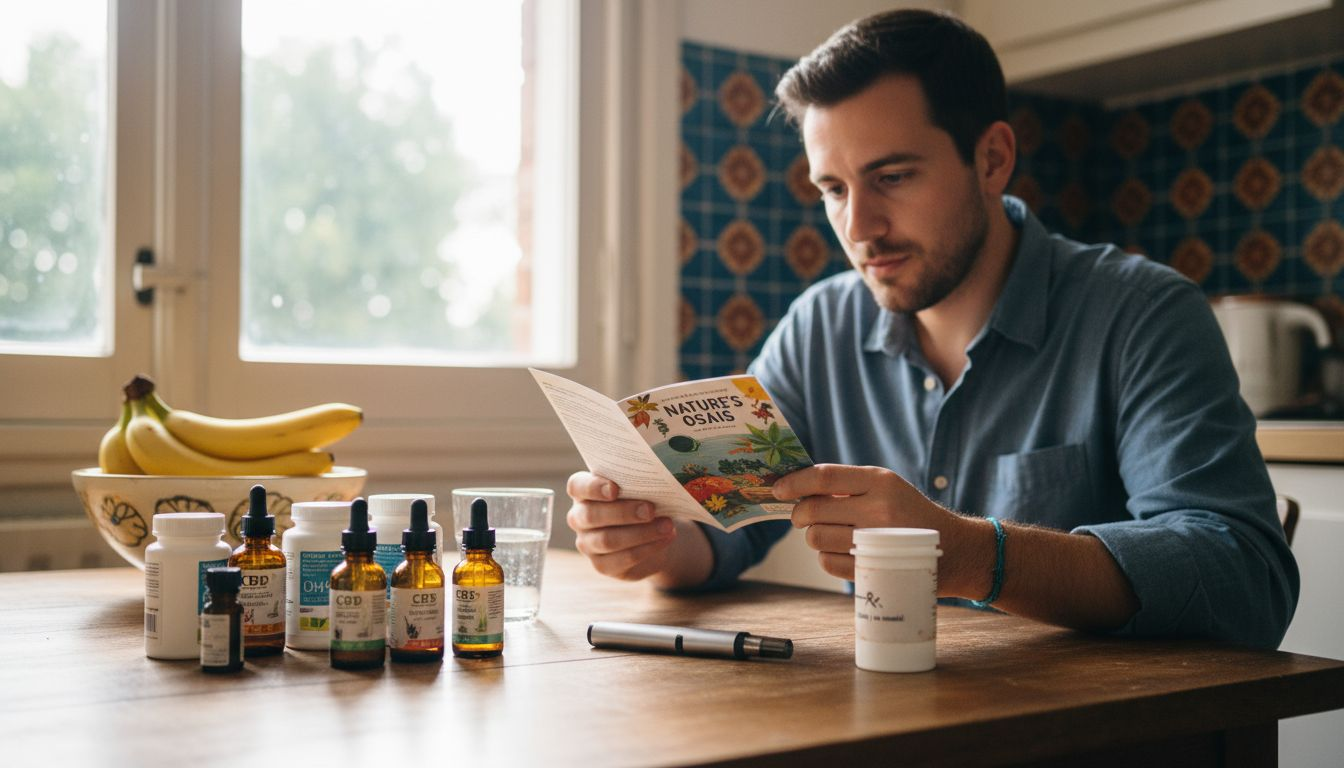
To clarify the differences between CBD product formats, here’s a comparative overview:
| Format | Key Use Case | Onset Time | Ideal For |
|---|---|---|---|
| Oils/Tinctures | Daily wellness support | 15–45 minutes | New users, flexible dosing |
| Capsules | Consistent dosing | 60–90 minutes | Travelers, busy schedules |
| Edibles | Longer-lasting effects | 1–2 hours | Occasional use, taste |
| Topicals | Targeted relief | Localized, minutes | Sports, skin application |
| Vaporizers | Quick absorption | Seconds–minutes | Fast relief, discretion |
Different CBD formats impact absorption rates and effectiveness, so individual experiences may vary significantly.
Pro tip: Start with low doses of CBD products and gradually increase, paying close attention to how your body responds to different consumption methods.
How CBD Works in the Body
Cannabidiol (CBD) operates through a complex interaction with the body’s endocannabinoid system (ECS), a sophisticated network responsible for maintaining internal balance. Endocannabinoid system interactions reveal how this compound influences multiple physiological processes without producing psychoactive effects.
The key mechanisms of CBD interaction include:
- Modulating neurotransmitter release
- Reducing inflammatory responses
- Supporting stress adaptation
- Regulating pain perception
- Balancing mood and emotional states
Molecular interactions are particularly fascinating. Cannabinoid receptor pathways demonstrate that CBD does not directly bind to cannabinoid receptors like THC, but instead modulates their activity through indirect signaling mechanisms. This unique approach allows CBD to provide potential therapeutic benefits without causing intoxication.
The body’s endocannabinoid system plays a crucial role in maintaining homeostasis across multiple biological systems. By subtly influencing receptor networks, CBD may help regulate critical functions such as:
- Sleep cycles
- Immune system responses
- Stress management
- Appetite regulation
- Pain perception
CBD’s complex interaction with the human body represents a frontier of wellness science, with ongoing research continuously expanding our understanding.
Pro tip: Consult with healthcare professionals to understand how CBD might interact with your specific physiological needs and existing health conditions.
Legal Status and Safety in the U.S.
Hemp-derived CBD exists in a complex legal landscape across the United States, with federal and state regulations creating a nuanced framework for consumers. Federal hemp regulations established by the 2018 Agriculture Improvement Act legalized hemp-based products containing less than 0.3% THC, but significant variations remain in state-level implementation.
Key legal considerations for CBD include:
- Federal legality for hemp-derived products
- State-by-state regulatory differences
- Varying restrictions on CBD sales
- Potential local jurisdiction limitations
- Ongoing regulatory evolution
Safety concerns are paramount in the CBD marketplace. Product safety guidelines highlight several critical issues consumers must understand:
- Potential drug interactions
- Lack of comprehensive FDA regulation
- Variability in product quality
- Possible side effects
- Limited long-term research
Consumers should approach CBD with informed caution, recognizing that regulatory frameworks continue to develop and scientific understanding remains incomplete.
Pro tip: Always verify local regulations and consult healthcare professionals before incorporating CBD into your wellness routine, ensuring you understand potential legal and health implications.
Here is a summary of important CBD legal and safety distinctions in the U.S. marketplace:
| Regulatory Aspect | Federal Policy | State Variability | Safety Dilemma |
|---|---|---|---|
| THC Limit | Max 0.3% allowed | Some stricter local limits | Product mislabeling risk |
| Sales Regulations | Legal if hemp-based | Licensing differences | Varying quality across states |
| FDA Oversight | Not comprehensive | Few enforce additional rules | Potential contaminants |
| Medical Use Approval | Limited conditions | Wider or narrower scope | Inconsistent consumer guidance |
Benefits of CBD for Relaxation and Stress Relief
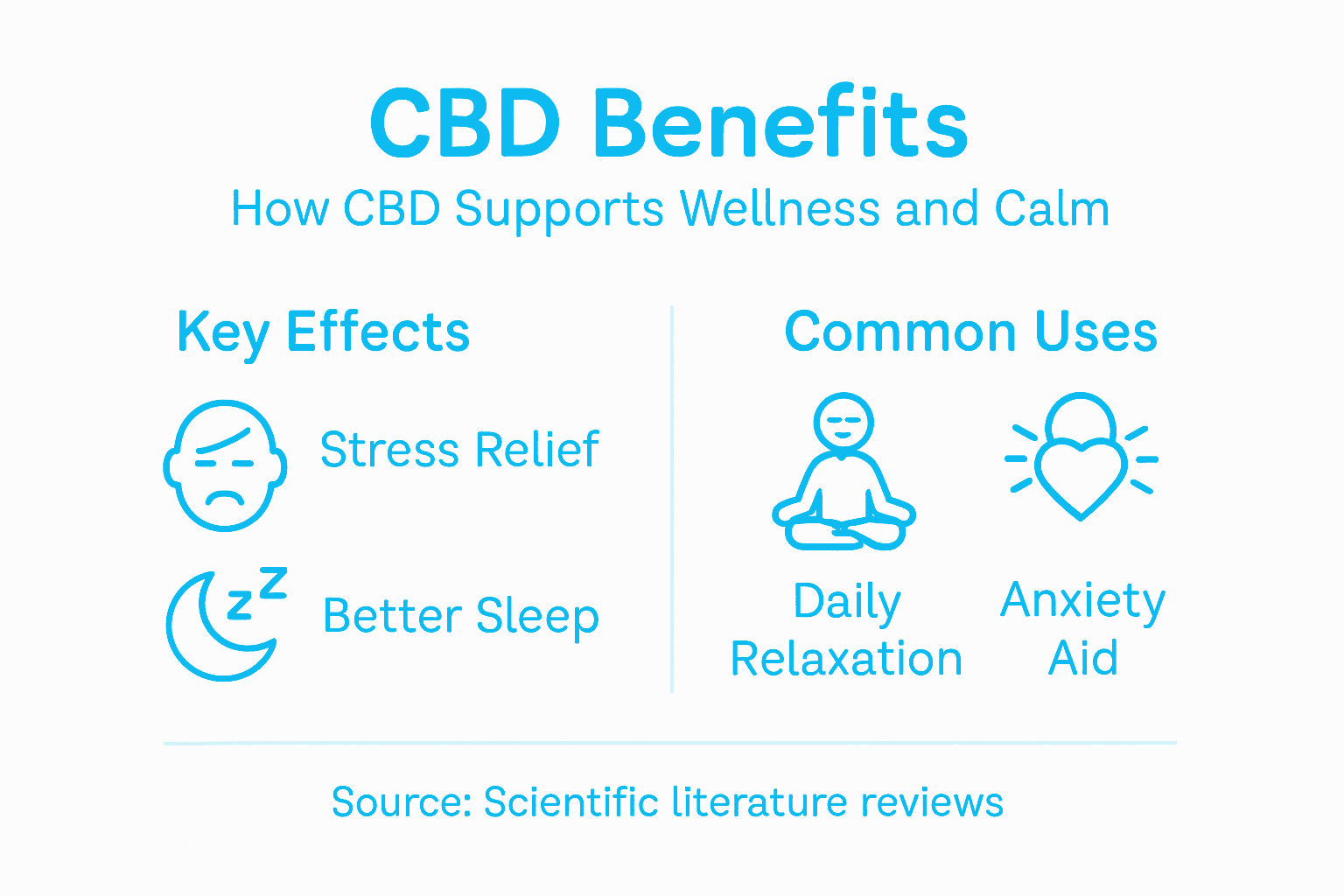
Stress management represents a critical wellness challenge for modern adults, and CBD has emerged as a potential natural alternative for promoting relaxation. Scientific research on stress relief suggests CBD may help modulate anxiety and improve sleep quality, indirectly supporting overall emotional balance.
Potential benefits of CBD for relaxation include:
- Reducing perceived anxiety levels
- Promoting more consistent sleep patterns
- Supporting natural stress response regulation
- Minimizing physiological stress markers
- Enhancing overall emotional resilience
Neurological interactions play a significant role in CBD’s stress-relieving potential. Endocannabinoid system research indicates that CBD may help regulate mood by interacting with neurotransmitter systems, potentially creating a more balanced emotional state.
Key stress reduction mechanisms for CBD involve:
- Modulating cortisol production
- Supporting serotonin receptor function
- Reducing inflammation associated with chronic stress
- Promoting neurogenesis in stress-sensitive brain regions
- Balancing autonomic nervous system responses
While promising, CBD is not a miracle solution and should be considered part of a comprehensive wellness strategy.
Pro tip: Start with low CBD doses and track your stress levels, combining CBD use with other relaxation techniques like meditation and regular exercise for optimal results.
Common Mistakes and Choosing Quality Products
CBD product selection requires careful consideration to ensure safety and effectiveness. Product quality guidelines highlight critical factors consumers must understand before making a purchase.
Common mistakes when selecting CBD products include:
- Overlooking third-party lab testing
- Ignoring THC content and concentration
- Failing to verify product source
- Assuming all products are equally effective
- Neglecting potential drug interactions
Quality assessment criteria are essential for responsible CBD consumption. Consumer safety recommendations emphasize several key evaluation points for identifying reputable products:
- Comprehensive third-party lab testing
- Transparent cannabinoid content
- Organic hemp sourcing
- Clear manufacturing practices
- Verifiable product certifications
Not all CBD products are created equal - rigorous research and careful selection are crucial for safe consumption.
Pro tip: Request and review detailed lab reports for any CBD product, ensuring you understand its exact composition and potential interactions before consumption.
Discover Healthier CBD Smoking Alternatives for Wellness
Struggling to find a natural way to enjoy the benefits of CBD without the risks associated with traditional smoking and nicotine? As the article explains, CBD offers potential for relaxation, stress relief, and emotional balance, but choosing safe, high-quality products is essential. Full Moons Club addresses these challenges by delivering premium hemp cigarettes made from organic U.S.-grown hemp enriched with cannabinoids like CBD, CBG, and CBC. Our tobacco-free and nicotine-free herbal smokes provide chemical-free, smooth experiences that support your wellness goals while eliminating harmful toxins.
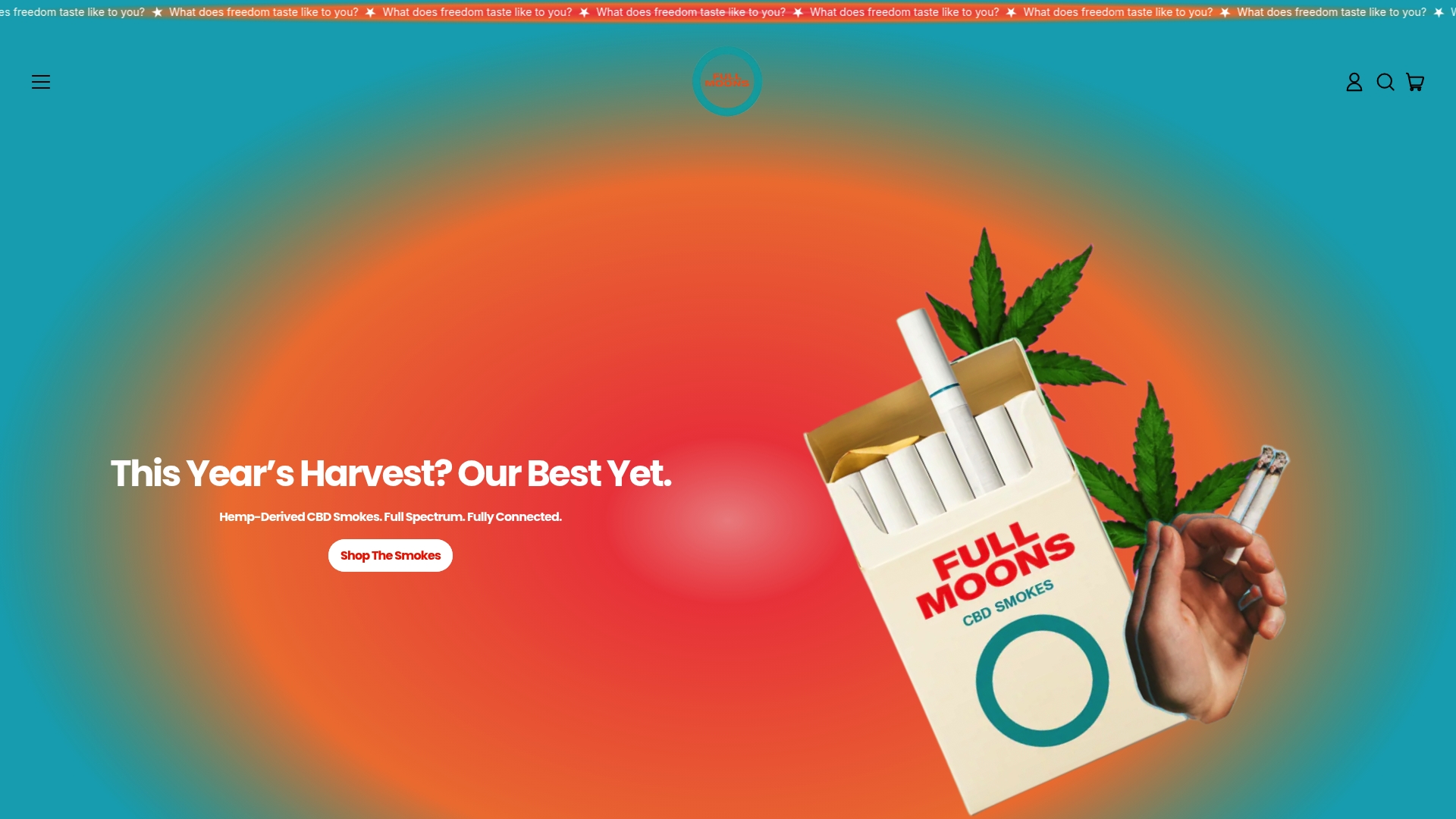
Elevate your wellness routine by switching to a natural smoking ritual designed for stress relief and mindfulness. Explore our sustainable, federally legal hemp smokes made with FSC-certified paper and biodegradable filters at Full Moons Club. Learn more about how our products can fit your lifestyle by visiting our homepage and see why so many choose us for a healthier, hemp-based smoking experience.
Frequently Asked Questions
What is CBD and how does it affect the body?
CBD, or cannabidiol, is a compound derived from hemp plants that interacts with the body’s endocannabinoid system. It helps modulate processes such as pain perception, mood balance, and stress response without producing psychoactive effects.
What are the common types of CBD products available?
Common types of CBD products include oils and tinctures, capsules, edibles, topicals, and vaporized products. Each format offers different benefits and consumption experiences to cater to various user preferences.
Can CBD help with stress and anxiety management?
Yes, research suggests that CBD may assist in reducing anxiety levels and promoting better sleep quality, which can contribute to overall emotional well-being and stress relief.
Are there any risks or side effects associated with CBD use?
While CBD is generally considered safe, potential side effects can include fatigue, nausea, and interactions with other medications. It’s essential to consult healthcare professionals before starting CBD, especially if you have existing health conditions.