

Most American adults searching for natural stress relief face an avalanche of confusing options. Nearly one third of wellness seekers still believe organic hemp is just hype, despite science supporting its purity and safety. For those striving to protect their health and the planet, understanding the real meaning behind organic hemp and its powerful health benefits is essential. This guide will help you separate fact from fiction so you can confidently select cleaner, more effective wellness solutions.
Table of Contents
- Organic Hemp Defined and Misconceptions
- Health Benefits of Organic Hemp Products
- Environmental Impact of Organic Hemp Farming
- Legal Framework for Organic Hemp in the U.S.
- Risks of Conventional Hemp and Smoking Alternatives
- Comparing Organic Hemp to Tobacco and Conventional Hemp
Key Takeaways
| Point | Details |
|---|---|
| Importance of Organic Hemp | Organic hemp prioritizes environmental health through sustainable cultivation, avoiding synthetic chemicals. |
| Health Benefits | Organic hemp products provide potential wellness advantages, including stress reduction and improved recovery, free from harmful contaminants. |
| Environmental Impact | Organic hemp farming supports carbon sequestration and biodiversity, making it a sustainable agricultural choice. |
| Regulatory Landscape | Understanding the complex legal framework for organic hemp is crucial for compliance and consumer safety in the evolving market. |
Organic Hemp Defined and Misconceptions
Hemp isn’t just another agricultural crop. Organic hemp represents a sophisticated approach to cultivation that prioritizes environmental health, consumer safety, and sustainable agricultural practices. Unlike conventional hemp production, organic hemp requires rigorous standards that eliminate synthetic interventions and protect natural ecosystems.
At its core, organic hemp certification means the plant is grown without synthetic pesticides, chemical fertilizers, or genetically modified organisms. Organic standards from the Organic Trade Association emphasize comprehensive environmental stewardship that goes far beyond simple crop management. Farmers must demonstrate a holistic commitment to soil preservation, biodiversity protection, and ecosystem balance.
Common misconceptions about organic hemp often revolve around cost and complexity. Many wellness seekers assume organic certification is prohibitively expensive or unnecessarily complicated. In reality, organic hemp production represents a thoughtful investment in product purity and environmental responsibility. By eliminating synthetic chemicals, organic hemp producers create a cleaner, more transparent product that supports both human and ecological wellness.
Pro Tip for Conscious Consumers: Always review the organic certification details when purchasing hemp products. Look for clear USDA organic labels and ask brands about their specific growing practices to ensure you’re truly getting an environmentally responsible and chemical-free product.
Health Benefits of Organic Hemp Products
Organic hemp products represent a holistic approach to wellness that extends far beyond traditional supplement options. These meticulously cultivated plant-based solutions offer a comprehensive range of potential health benefits, targeting multiple aspects of physical and mental well-being through natural compounds and therapeutic properties. Why choose organic hemp for wellness reveals the intricate connections between plant purity and human health.
The primary wellness advantages of organic hemp products stem from their rich cannabinoid profile, which includes compounds like CBD, CBG, and CBC. These naturally occurring elements interact with the human body’s endocannabinoid system, potentially supporting stress reduction, mood stabilization, and overall physiological balance. Unlike conventionally produced hemp, organic variants ensure these beneficial compounds are free from synthetic pesticides and chemical contaminants, maximizing their potential therapeutic impact.

Wellness seekers are increasingly drawn to organic hemp products for their comprehensive approach to supporting mental and physical resilience. The absence of harmful chemicals means these products deliver a cleaner, more concentrated form of natural compounds. Potential benefits may include reduced anxiety, improved sleep quality, enhanced recovery from physical stress, and support for the body’s natural inflammatory response. The holistic nature of organic hemp makes it a versatile wellness tool for individuals seeking natural, plant-based solutions to modern health challenges.
Pro Tip for Wellness Optimization: Start with low doses of organic hemp products and gradually adjust based on your individual response. Consistency is key - integrate these natural supplements into your daily wellness routine for potentially more balanced and sustainable health support.
Environmental Impact of Organic Hemp Farming
Organic hemp farming represents a transformative approach to agricultural sustainability, offering profound environmental benefits that extend far beyond traditional crop production. Research on hemp’s ecological potential reveals a remarkable capacity for regenerative agriculture, positioning hemp as a critical solution to multiple environmental challenges.
The environmental advantages of organic hemp cultivation are multifaceted and scientifically significant. Unlike conventional crops, hemp acts as a powerful carbon sequestration tool, rapidly absorbing atmospheric carbon dioxide and storing it within its biomass and root systems. Peer-reviewed studies demonstrate that organic hemp requires substantially less water and pesticide intervention compared to traditional agricultural crops, making it an extraordinarily efficient and low-impact plant. The crop’s deep root system naturally prevents soil erosion, improves soil structure, and supports biodiversity by creating habitats for beneficial microorganisms and insects.
Beyond carbon sequestration, organic hemp farming represents a holistic approach to sustainable agriculture. The plant’s ability to thrive in diverse ecological conditions without extensive chemical inputs makes it an ideal crop for regenerative farming practices. By avoiding synthetic fertilizers and pesticides, organic hemp production protects groundwater systems, maintains soil health, and creates a more balanced agricultural ecosystem. This approach not only reduces environmental stress but also produces a cleaner, more sustainable product that supports both human and ecological wellness.
Below is a summary of the main environmental benefits provided by organic hemp farming:
| Benefit | Description | Comparative Advantage |
|---|---|---|
| Carbon Sequestration | Absorbs CO2 rapidly | Higher than major crops |
| Soil Preservation | Prevents erosion and restores soil | Superior to most grains |
| Water Efficiency | Requires less water | Outperforms corn/wheat |
| Biodiversity Support | Creates habitat for beneficial species | Minimizes ecosystem disruption |
Pro Tip for Eco-Conscious Consumers: When selecting hemp products, prioritize those from certified organic sources and look for brands that transparently communicate their farming and production practices to support sustainable agricultural innovations.
Legal Framework for Organic Hemp in the U.S.
The legal landscape for organic hemp in the United States represents a complex and evolving regulatory environment that balances agricultural innovation with strict governmental oversight. Detailed federal hemp production regulations demonstrate the intricate process of establishing legal standards for this emerging agricultural sector, with the 2018 Farm Bill serving as a pivotal moment in hemp’s regulatory journey.
Under current federal guidelines, organic hemp certification requires rigorous compliance with multiple layers of governmental scrutiny. The United States Department of Agriculture (USDA) maintains strict protocols for hemp production, including precise THC content limitations, mandatory testing procedures, and comprehensive tracking mechanisms. Producers must navigate a challenging regulatory landscape that includes federal oversight, state-level regulations, and specific organic certification requirements. These regulations ensure that hemp products meet stringent quality standards while protecting consumers and maintaining agricultural integrity.
The legal framework for organic hemp extends beyond simple agricultural regulation, touching on complex intersections of agricultural policy, health standards, and economic development. Hemp producers must obtain specific licenses, undergo regular testing, and maintain meticulous documentation to remain compliant with federal and state regulations. The regulatory environment continues to evolve, with ongoing discussions about refining definitions, expanding market opportunities, and creating more streamlined pathways for organic hemp cultivation and distribution across different states.
Pro Tip for Hemp Industry Navigators: Always consult current USDA and state-specific guidelines before starting any hemp cultivation or production project, as regulations can change rapidly and vary significantly between jurisdictions.
Risks of Conventional Hemp and Smoking Alternatives
Conventional hemp production carries substantial health and environmental risks that many wellness seekers overlook. Public health research on hemp regulation reveals critical concerns about unregulated hemp derivatives and their potential impacts on consumer safety, particularly among vulnerable populations like youth and individuals with pre-existing health conditions.
The primary risks associated with conventional hemp stem from inadequate agricultural and processing standards. Unregulated hemp products may contain harmful contaminants, including pesticide residues, heavy metals, and potentially dangerous microbiological agents. Scientific studies have uncovered significant microbial risks, with some research indicating that conventional hemp flowers can harbor dangerous fungi and mycotoxins that pose serious health threats, especially for individuals with compromised immune systems.
Beyond direct health risks, conventional hemp production often lacks the transparency and quality control necessary to ensure consumer safety. Many unregulated hemp products enter the market without comprehensive testing, leaving consumers vulnerable to potentially harmful substances. These risks are compounded by inconsistent regulatory frameworks that fail to establish uniform standards for cultivation, processing, and distribution. The lack of comprehensive oversight creates an environment where substandard products can potentially reach health-conscious consumers seeking natural alternatives.
Pro Tip for Mindful Consumers: Always verify third-party lab testing results and organic certifications before purchasing hemp products, prioritizing brands that demonstrate transparent quality control and comprehensive safety protocols.
Comparing Organic Hemp to Tobacco and Conventional Hemp
Hemp and tobacco represent dramatically different botanical experiences with profound implications for human health and wellness. Scientific comparisons between hemp and tobacco reveal critical distinctions that wellness seekers should understand, highlighting hemp’s potential as a substantially safer alternative to traditional tobacco consumption.
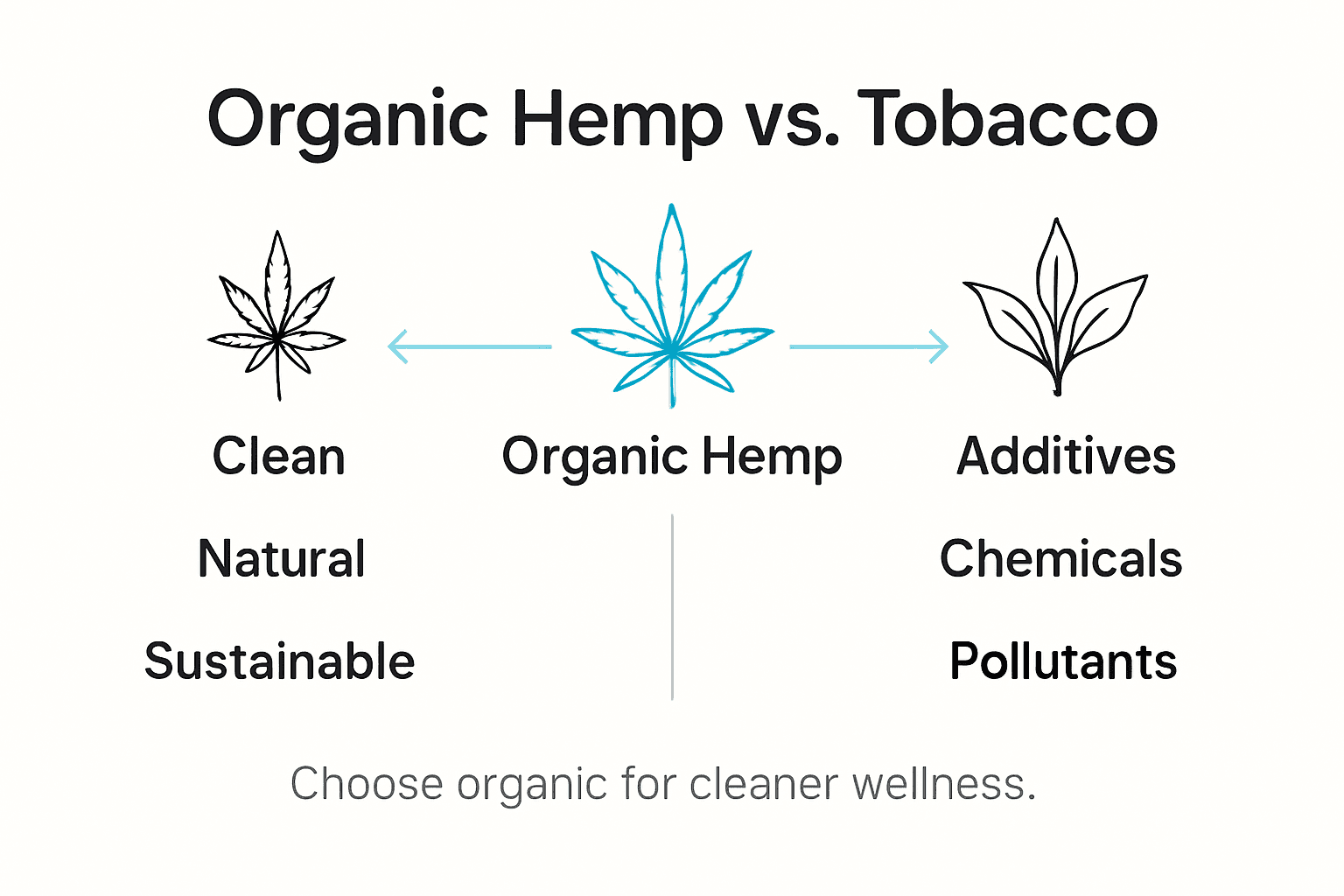
The chemical composition of organic hemp fundamentally differs from tobacco, offering a markedly different physiological interaction. While tobacco contains high levels of addictive nicotine and numerous carcinogenic compounds, organic hemp contains beneficial cannabinoids like CBD, with minimal psychoactive properties. Conventional tobacco delivers a cocktail of harmful substances that systematically damage respiratory systems, cardiovascular health, and cellular function. In contrast, organic hemp provides a cleaner botanical experience with potential therapeutic properties, including stress reduction and potential anti-inflammatory benefits.
Beyond chemical composition, the production methods of organic hemp and conventional tobacco diverge significantly. Tobacco cultivation typically involves extensive chemical treatments, including synthetic pesticides and growth regulators that remain in the final product. Organic hemp, however, follows strict agricultural standards that prohibit synthetic interventions, ensuring a purer, more environmentally responsible product. This commitment to clean cultivation means organic hemp offers a more transparent and potentially safer alternative for individuals seeking botanical smoking experiences without the extensive health risks associated with traditional tobacco.
Here is a quick comparison of organic hemp, conventional hemp, and tobacco in terms of cultivation and health impact:
| Attribute | Organic Hemp | Conventional Hemp | Tobacco |
|---|---|---|---|
| Cultivation Method | No synthetic chemicals | Often uses pesticides | Heavy pesticide use |
| Key Compounds | CBD, CBG, CBC | CBD, possible contaminants | Nicotine, carcinogens |
| Health Risks | Low, cleaner product | Contaminant exposure risk | High disease risk |
| Environmental Impact | Promotes soil health | Can harm ecosystems | Depletes soil quality |
Pro Tip for Conscious Consumers: When exploring botanical smoking alternatives, prioritize organic, lab-tested hemp products that provide comprehensive chemical composition documentation and transparent sourcing information.
Discover the Healthier Way to Enjoy Organic Hemp for Wellness
If you are seeking a clean and natural solution to support relaxation, stress relief, and mindfulness, choosing organic hemp products is essential. The article highlights the importance of purity, environmental responsibility, and avoidance of harmful chemicals in hemp cultivation. Full Moons Club addresses these concerns by offering a premium selection of CBD smokes and hemp cigarettes made from 100% organic U.S.-grown hemp that is rich in cannabinoids like CBD, CBG, and CBC. Our commitment to sustainability and chemical-free production means you get a smooth and safe experience without the health risks linked to conventional hemp or tobacco.
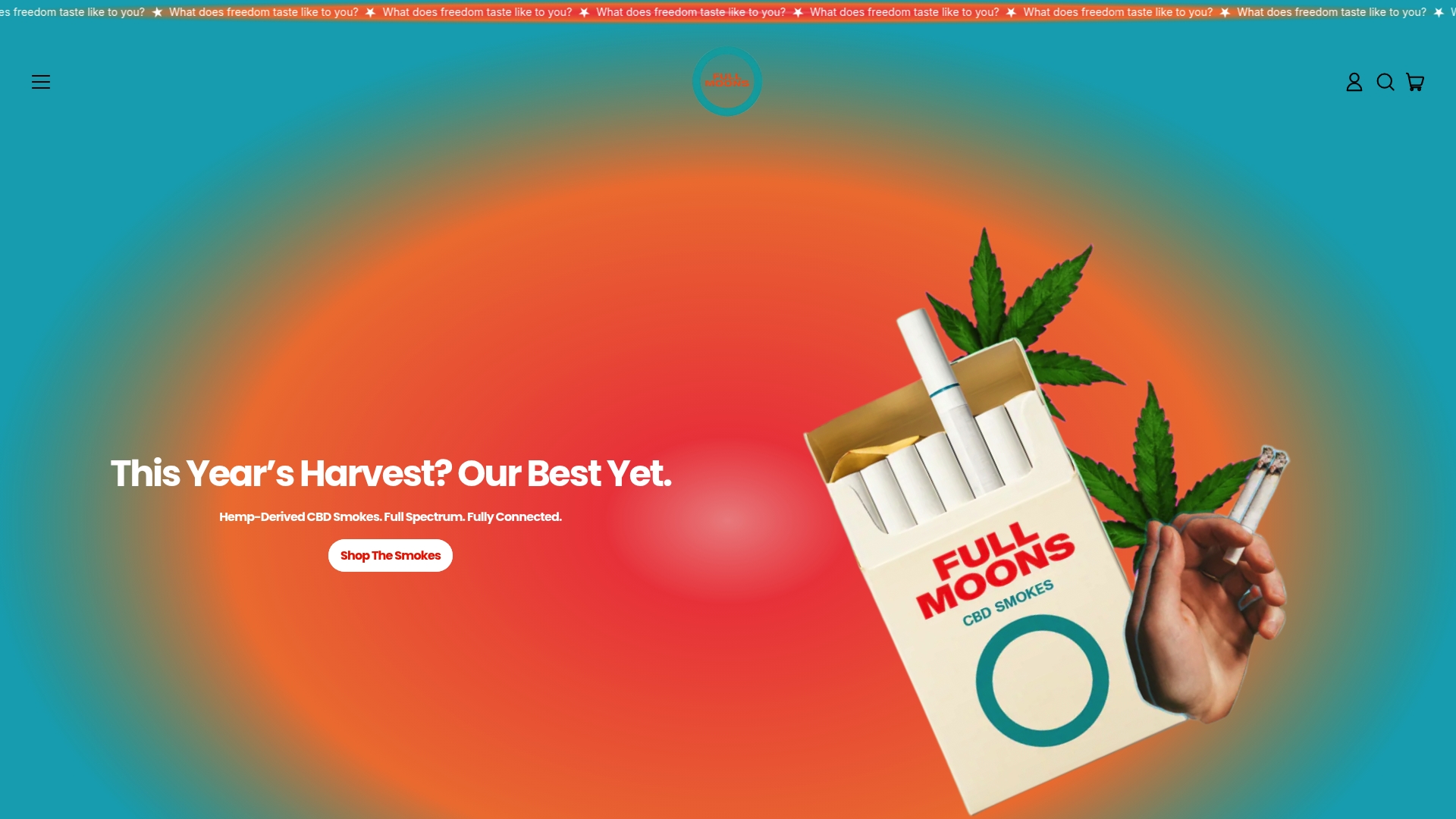
Elevate your wellness routine with a product that aligns perfectly with the article’s emphasis on holistic health and environmental care. Choose Full Moons Club for organic hemp smokes rolled in eco-friendly paper and biodegradable filters. Start your journey to a healthier, tobacco-free lifestyle today by exploring our full range of organic hemp products. Take control of your well-being with a mindful alternative crafted for you.
Frequently Asked Questions
What are the benefits of using organic hemp products?
Organic hemp products offer a range of health benefits, including potential stress reduction, improved sleep quality, and support for the body’s natural inflammatory response. They are rich in cannabinoids like CBD, CBG, and CBC, which may assist with overall physiological balance.
How does organic hemp differ from conventional hemp?
Organic hemp is grown without synthetic pesticides, chemical fertilizers, or genetically modified organisms, ensuring a cleaner product. In contrast, conventional hemp may contain harmful contaminants due to the use of chemicals in its production process, posing health risks to consumers.
Why should I choose organic hemp over tobacco?
Organic hemp offers a substantially safer alternative to tobacco, containing beneficial cannabinoids with minimal psychoactive properties, unlike tobacco which has high levels of addictive nicotine and carcinogenic substances. This makes organic hemp potentially more beneficial for wellness seekers looking for a cleaner botanical experience.
What should I look for when purchasing organic hemp products?
When purchasing organic hemp products, always review the organic certification details, looking for clear USDA organic labels. Additionally, ask brands about their specific growing practices and any third-party lab testing results to ensure product purity and safety.